

From the airport into Lima: every option and what it costs
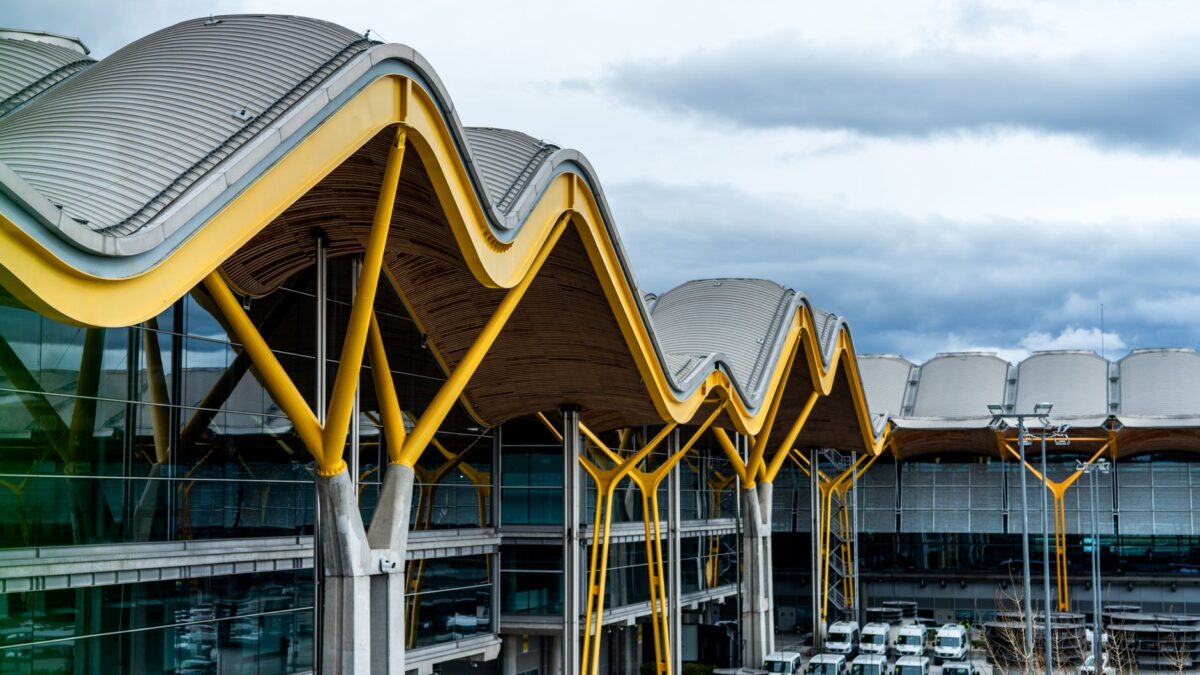
There is a specific kind of disorientation that hits you the moment you step out of Jorge Chávez International Airport in Callao. The air is thick with humidity, the light is a persistent grey-white, and the noise is immediate—a cacophony of engines, shouting porters, and the distant hum of a city that never truly sleeps. You have just arrived in Lima, the City of Kings, but before you can reach the colonial charm of the Centro Histórico or the cliffside breezes of Miraflores, you must navigate the first hurdle: getting from the tarmac to your destination without losing your mind—or your wallet.
I am Diego Quispe, and I live here. I know these streets, I know which drivers are honest, and I know exactly how much things should cost. The airport area is a minefield for the uninitiated, but with the right knowledge, your arrival can be smooth. Let’s break down every option, from the budget-conscious bus to the seamless private transfer, using current realities as they stand today.
The Private Transfer: Safety and Simplicity First
If you are arriving late at night, traveling with family, or simply value your peace of mind above saving a few soles, skip the public options. The zone around Jorge Chávez is part of Callao, which has a different safety profile than the tourist-friendly districts further east. Unofficial taxis can be aggressive, overcharging tourists who don’t know the local rates.
My strongest recommendation is to pre-book a private transfer or use a reputable app like Uber or Cabify if you have data active. A private car service from the airport to Miraflores typically costs between S/80 and S/120 (roughly $21–$32 USD). This price includes the driver waiting for you at arrivals with a name sign, helping with luggage, and driving you directly to your hotel door in a secure, air-conditioned vehicle. The journey takes about 45 minutes to an hour, depending on traffic, which can be heavy during rush hours (7–9 AM and 5–7 PM).
This is not just about comfort; it is about security. Having a trusted driver handle your bags and navigate the chaotic perimeter of the airport allows you to relax immediately. If you choose this route, avoid any individual standing in the terminal offering rides. Stick to licensed services or app-based bookings.
Official Taxis and Ride-Hailing Apps
If you prefer the flexibility of a taxi but want to avoid the haggling nightmare, there are two solid paths. First, look for the official taxi booths inside the airport terminal. These are registered cooperatives. You pay a fixed fare at the booth, receive a receipt, and then take the assigned car. Expect to pay around S/60 to S/80 (approx. $16–$21) for a ride to Miraflores or San Isidro. It is more expensive than hailing one on the street but significantly safer and cheaper than rogue cabs.
Alternatively, if you have a local SIM card or roaming data, download Uber or Cabify. These apps are widely used in Lima and provide a clear upfront price. An UberX from the airport to the center of Miraflores usually runs between S/40 and S/60 ($10–$16), though surge pricing during peak times can push this higher. This is often the sweet spot for solo travelers or couples who want transparency and tracking. Note that pickup points for these apps are strictly defined; follow the app instructions carefully to find the designated curb, as the airport perimeter is confusing.
The Metropolitano Bus: The Local’s Choice
For the adventurous traveler who wants to experience Lima like a local and save money, the Metropolitano BRT (Bus Rapid Transit) is your best friend. However, it requires a bit of legwork because the airport itself does not have a direct station. You will need to take a short, cheap taxi or walk to the nearest station, such as Calle La Marina or Av. Canadá.
The single fare for the Metropolitano troncal line is approximately S/3.20 (about $0.90 USD), or S/3.50 if integrated with feeder buses. You can buy or top up a Tarjeta Metropolitano (also known as Lima Pass) at kiosks or via mobile wallets like Yape or Plin. The ride itself is fast, efficient, and clean. From the western lines near the airport, you can transfer to Line 1 of the Metro or other trunk lines to reach the city center.
The total journey time from the airport vicinity to Plaza de Armas in the historic center might take 60–90 minutes due to transfers and walking, but the cost is negligible. This is ideal if you are staying in the Centro Histórico or Pueblo Libre and want to stretch your budget. Just keep your valuables close; while the system is generally safe, crowded buses require vigilance against pickpockets.
Getting Around Once You’re Settled
Once you are past the airport, navigating Lima becomes easier. The city is vast, stretching along the coast. For daily movement, stick to the main corridors. The Metropolitano connects the northern districts to the south, while Metro Line 1 cuts across the eastern side. A monthly pass for public transport costs around S/101 ($27 USD), which is a bargain if you are commuting daily.
For shorter hops, especially within Miraflores or Barranco, ride-hailing apps remain the gold standard. A short trip across town might cost S/14 ($3.70 USD) or less. Traditional taxis without meters are risky; always insist on the meter (taxímetro) or use an app. The base fare for a traditional taxi starts around S/7–10, but prices inflate quickly once you leave the central zones.
Remember, Lima’s geography is linear. Traffic flows north-south along the coast. Moving east toward the hills is slower and more congested. Plan your routes accordingly. If you are heading to Parque Kennedy in Miraflores or the bohemian streets of Barranco, a short Uber ride is usually under S/20 ($5.30 USD).
Practical Tips for Your Arrival
A few final pieces of advice from a local perspective. First, currency. While many places accept dollars, you need soles (PEN) for taxis, buses, and small meals. The exchange rate hovers around 3.74 PEN per US dollar. Avoid changing money at the airport if possible, as rates are poor; use ATMs from major banks like BCP or Interbank in the city, or change cash at authorized houses in Miraflores.
Second, connectivity. Buy a prepaid SIM card from Claro, Movistar, or Entel at the airport kiosks. You will need your passport for registration. Data is essential for navigation and booking rides. Third, safety. Districts like Miraflores, Barranco, and San Isidro are patrolled by tourist police and are considered safe, but always stay alert. Keep your phone hidden when not in use, and avoid flashing expensive jewelry.
Lima is a city of contrasts—ancient pyramids like Huaca Pucllana sitting beside modern skyscrapers, world-class cuisine like Central alongside humble menú del día stalls costing S/15–17 ($4–$4.50). Getting to your hotel sets the tone for your trip. Choose wisely, move confidently, and prepare to fall in love with this vibrant, chaotic, beautiful capital.
Frequently asked questions
How much does a taxi from Lima airport to Miraflores cost?
A private transfer or official airport taxi typically costs between S/60 and S/120 ($16–$32 USD). Ride-hailing apps like Uber may range from S/40 to S/60 ($10–$16 USD) depending on demand.
Is it safe to take public buses from the airport?
Yes, but you must walk to a nearby Metropolitano station first. The fare is about S/3.20 ($0.90 USD). It is safe but requires vigilance with belongings and some navigation effort.
What is the safest way to get from the airport to my hotel?
Pre-booking a private transfer or using a verified app like Uber/Cabify is the safest option. Avoid unofficial street taxis in the Callao airport zone.
Do I need to buy a transportation card at the airport?
Not necessarily. If you use ride-hailing apps, you do not need a card. For the Metropolitano bus, you can buy or top up a Lima Pass card at kiosks or via mobile wallets like Yape after you arrive.
Things to do in Peru
 Anthropologist-Led Horseback: Moon Temple & Mysticism (Max 5)
 Food and Culture Full day Tour in the Sacred Valley
 4-Day Inca Jungle Trek to Machu Picchu: Biking, Rafting & Zipline
 The Textile Workshop Experience in Cusco Region
 Half Day Private Tour Machu Picchu Cusco Peru
 4-Day Machu Picchu , Sacred Valley and Cusco-Private Guided Tour