

A week in Ljubljana on a mid-range budget
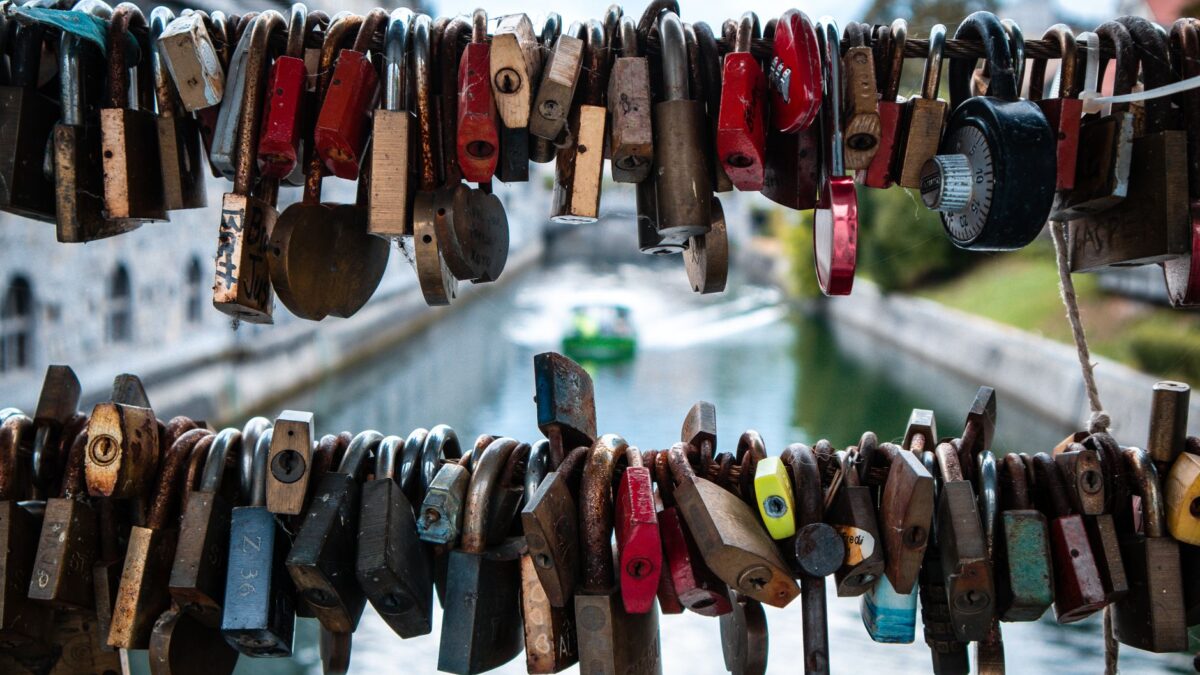
The morning fog still clings to the Ljubljanica River when you step out onto the cobblestones, a damp, cool embrace that signals early autumn in Slovenia. It is late September, and the city feels suspended between the lingering warmth of summer terraces and the crisp promise of grape harvest season. As the host of the Slovenia show on Paris2Tokyo, I have walked these streets for years, watching rents inch up and bus fares adjust, but Ljubljana remains one of Central Europe’s best-kept secrets for value. You do not need a fortune to live like a local here; you just need to know where the money actually goes.
Where Your Euro Buys Comfort: Lodging and Location
Lodging sets the tone for your week. If you want to be in the heart of the action, look toward the Center or Stari trg district. This pedestrianized historic core around Prešernov trg offers the quintessential Baroque charm, but it comes with the highest rents and hotel rates. For a mid-range budget, Galeria River or Allegro Hotel offer solid comfort without draining your wallet, placing you within walking distance of the Triple Bridge and the pink Franciscan Church.
If you are willing to trade five minutes on a bus for savings, consider the northside Bežigrad district. It is quieter, filled with diplomatic quarters and university faculties, yet well-served by LPP buses. Alternatively, the east-side districts of Moste and Fužine can run 20–30% below centre prices. Here, you might find a room near Fužine Castle, which now houses the Museum of Architecture and Design, offering a more residential feel while keeping you connected to the city’s pulse.
Eating Like a Local: From Menza to Market
H2 tags should be used for main sections. Let’s stick to the plan.
Eating Like a Local: From Menza to Market
Food in Ljubljana is a study in contrast between ultra-affordable sustenance and delightful mid-range dining. Start your day with coffee at Črno Zrno Specialty Coffee or Tozd for about €3–4, finding a seat on the riverbank as the fog lifts. For lunch, skip the tourist traps near the castle and head to a budget local menza or cafeteria like Marjetica. A two-course set lunch, known locally as a ‘malica’, will cost you roughly €8. It is hearty, honest food—often featuring Slovenian staples—that fuels you for less than a sandwich in Vienna.
If you crave street food, grab a burek from Nobel Burek for about €3. This savoury filo-pastry is a beloved staple, perfect for a quick bite while wandering the old town. For dinner, the mid-range trattorias in the old town offer incredible value. Expect to pay around €16–19 for a main course, such as fresh pasta or primi dishes. Venues like Slovenska hiša Ljubljančanka provide an authentic taste of national cuisine, while Julija offers a modern twist. If you are visiting on a Friday, the city transforms: the Odprta kuhna (Open Kitchen) street-food market takes over Pogačarjev trg every sunny Friday from March to November. Here, amidst the aroma of grilled meats and fresh salads, you can feast for very little.
For dessert, seek out a slice of potica, the iconic Slovenian rolled nut pastry, at a local bakery for approximately €3–4. It is the sweet, comforting end to a day of exploration.
Moving Through the City: Transit and Tickets
Ljubljana is compact, but its hills and riverbanks make public transport essential for efficiency. The city bus network is run by LPP, and the most practical tool for visitors is the Urbana card. You can buy the yellow stored-value card for €2 at Urbanomat machines, newsagents, or post offices. A single ride in zone 1 costs about €1.50 and includes free transfers within 90 minutes. This fare increased from €1.30 to €1.50 recently, reflecting broader trends, but it remains cheap compared to Western European capitals.
If you plan to explore beyond the immediate centre, perhaps heading toward Tivoli Park or the outskirts, this transfer window is vital. Note that if you purchase a tourist-specific Urbana card, you can often return it for a €2 refund at designated points, effectively making the card itself free. For those staying longer, a monthly pass runs about €37, though for a week, paying per ride adds up to only a modest sum.
Bikes are also available via BicikeLJ, and in the centre, you can use free electric Kavalir shuttles. However, be mindful of bicycle theft; always use guarded city racks. The city is safe, but petty crime like pickpocketing can occur around Prešernov trg, especially in crowded moments.
Attractions: Free Wonders and Paid Gems
One of Ljubljana’s greatest assets is its abundance of free experiences. Walking across the Dragon Bridge (Zmajski most), with its four green copper dragons symbolizing the city, costs nothing and offers stunning views of the river. Exploring the Plečnik landmarks—such as the National and University Library (NUK) or the Trnovo Bridge—is equally free, allowing you to engage with the UNESCO World Heritage site that defines the city’s unique character.
For paid attractions, the Ljubljana Castle is the must-do. Reach it by funicular or hike up the hill. The viewing tower, the Virtual Castle exhibition, and the Museum of Puppetry offer deep insights into Slovenian history. Tickets here are reasonably priced, typically under €10 for combined access. Another hidden gem is the Plečnik House in the Trnovo district, where you can tour the home and studio of the architect who reshaped Ljubljana. It provides an intimate look at his creative process.
Art lovers should check the current exhibitions. The National Gallery of Slovenia hosts significant collections, including Slovene Impressionists. Meanwhile, Metelkova mesto, the autonomous cultural quarter in former army barracks, offers free entry to many galleries and clubs, with small donations encouraged. If you are visiting in late September, keep an eye on the calendar: the UNICUM 2026 ceramics triennale spreads across the National Museum and Center Rog, adding a layer of contemporary art to your itinerary.
Practical Costs and Seasonal Nuances
As you plan your week, remember that late September brings specific seasonal flavors. The vineyard slopes on Castle Hill are busy with grape harvesting, and the air carries the scent of mošt (new wine). Weather-wise, expect temperatures between 8–19°C with frequent morning fog. Pack layers. The cafes and terraces are still open, but the evenings grow chilly.
Financially, Ljubljana is noticeably cheaper than neighbouring Austrian or Italian cities, though costs are trending upward. Rents have outpaced general inflation since 2021, and daily expenses reflect this slow climb. However, a mid-range budget here still stretches further than in Paris or Munich. A modest one-bedroom flat rent ranges from €650–950 excluding utilities, signaling the cost of living, but tourists benefit from lower hospitality margins.
For connectivity, buy a prepaid SIM from Telekom Slovenije, A1 Slovenija, or Telemach in a shop with your passport. Coverage is excellent. If you need banking, NLB (Nova Ljubljanska banka) is the largest and most foreigner-friendly institution. While you won’t open an account for a week, knowing that cash withdrawals are easy and widely accepted helps in budgeting.
In conclusion, a week in Ljubljana on a mid-range budget is not just feasible; it is luxurious in experience if not in excess. By eating at the menzas, using the Urbana card wisely, and soaking in the free Plečnik architecture, you immerse yourself in the soul of Slovenia. The city rewards the curious walker, the early riser, and the one willing to try a burek at dawn. Welcome to Ljubljana—where every euro feels well-spent.
Frequently asked questions
How much does a meal cost in Ljubljana?
A budget lunch at a menza like Marjetica costs around €8, while a main course at a mid-range restaurant is approximately €16–19. Street food like a burek is about €3.
What is the cost of public transport in Ljubljana?
A single bus ride with an Urbana card is about €1.50, valid for 90 minutes with free transfers. Monthly passes are around €37.
Are there free things to do in Ljubljana?
Yes, exploring the Old Town, crossing the Dragon Bridge, visiting Metelkova mesto, and viewing Plečnik landmarks like the NUK library are all free.
When is the Odprta kuhna market open?
The Open Kitchen street-food market takes place on Pogačarjev trg every sunny Friday from March to November.


