

What to eat in Kenya — and what it costs
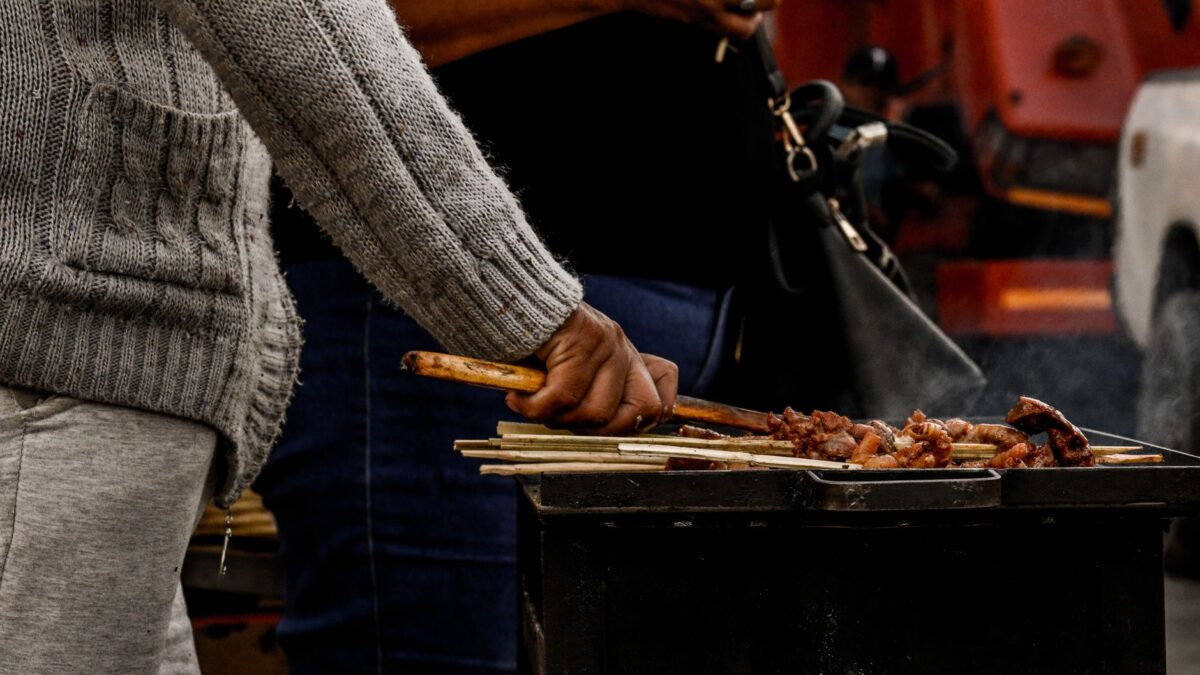
There is a specific rhythm to Nairobi’s food scene that you will only learn by getting lost in it. It begins with the scent of roasting meat and charcoal smoke drifting through the humid air, often mixing with the sharp tang of kachumbari tomatoes and onions. As someone who has navigated these streets for years, I can tell you that eating in Kenya is not just about sustenance; it is a social ritual, a daily negotiation between tradition and the fast-paced energy of East Africa’s capital. Whether you are standing at a crowded vibanda (street stall) or settling into a leafy garden in Karen, the goal is the same: to experience the warmth of Kenyan hospitality through its flavors.
The Staples You Must Try
If you leave Kenya without tasting ugali, you have missed the heart of the country. This stiff maize porridge is the backbone of Kenyan meals, served alongside stews, greens, or grilled meats. It is eaten with your hands—rolled into a small ball, indented to hold the stew, and dipped in. For the uninitiated, the texture might seem daunting, but the flavor is earthy and comforting. Pair it with nyama choma (roast goat or beef), which is best found at market grill joints where the meat is seasoned simply with salt and pepper, allowing the quality of the char to shine.
Another essential is chapati. Unlike the flatbreads of other regions, Kenyan chapatis are layered, slightly oily, and incredibly soft. They are perfect for scooping up beans or curry. If you want something lighter, try mandazi, deep-fried doughnuts dusted with sugar, often enjoyed with tea in the morning. And do not overlook sukuma wiki (collard greens), sautéed with onions and tomatoes—a humble dish that speaks to the resilience and simplicity of local home cooking.
Where to Eat: From Street to Sit-Down
Nairobi offers a spectrum of dining experiences, and the prices reflect this diversity. For an authentic, budget-friendly start, head to a vibanda in areas like Westlands or Kilimani. Here, a meal of ugali, stew, and greens will cost you around KES 150–300 (approximately $1.7). These spots are bustling, noisy, and utterly delicious. The Kachumbari salad served fresh on the side is crisp and tangy, cutting through the richness of the meat.
If you prefer a more relaxed environment, mid-range restaurants offer excellent value. A main course and drink at a place like Inca Restaurant in Gigiri or Beit É Selam in Lavington will set you back roughly KES 1,500–3,000 (about $17). These venues provide air-conditioning, reliable Wi-Fi, and menus that blend local ingredients with international techniques. For a truly iconic experience, book a table at The Carnivore Restaurant. Known as the “Meat Temple,” it offers a rotating selection of grilled meats from around the world, including local specialties like nyama choma. While pricier, it is a cultural landmark worth visiting at least once.
Coffee Culture and Nightlife Sips
Kenya produces some of the world’s finest coffee, and Nairobi’s café scene is thriving. In neighborhoods like Karen and Westlands, you will find specialty roasters serving single-origin brews. A cappuccino at a chain like Cafe AMKA or Kesh Kesh Coffee Roasters & Cafe costs about KES 250–350 (roughly $2.2). These cafes are hubs for digital nomads and locals alike, offering a quiet respite from the city’s heat.
As evening falls, no meal is complete without a cold beer. Tusker is the national favorite, light and refreshing. At a pub in Westlands or a bar in Kilimani, expect to pay KES 250–400 (around $2.4) per bottle. It is the perfect accompaniment to a plate of samosas or a late-night chat with friends.
Practical Tips for Eating Well
Transportation plays a key role in how you explore Nairobi’s food map. Matatus (minibuses) are the lifeblood of the city, with fares ranging from KES 30–100 ($0.5) depending on distance. However, for safety and convenience, especially at night, use ride-hailing apps like Uber or Bolt. A short ride from the CBD to Westlands might cost KES 350–700 (about $4).
Hydration is crucial. Bottled water is cheap and widely available, but if you prefer fresh milk, a liter costs around KES 112 (approx. $0.8). Bread, such as a 500g loaf of white bread, is approximately KES 71 ($0.5). These basics are affordable and help stretch your budget if you choose to self-cater occasionally.
Remember that Nairobi is safe in daylight in hubs like Westlands, Kilimani, Gigiri, and Karen, but exercise caution in the CBD and informal areas after dark. Always use ride-hailing services rather than walking at night. Additionally, ensure you have completed your Electronic Travel Authorization (eTA) online before arrival, as visas-on-arrival have been scrapped. This process takes about 72 hours and costs around USD 30–34.
Eating in Kenya is an adventure in itself. From the smoky aroma of nyama choma to the sweet embrace of mandazi, every bite tells a story of culture, community, and resilience. So, go ahead—roll your ugali, sip your Tusker, and let Nairobi feed your soul.
Frequently asked questions
How much does a typical meal cost in Nairobi?
A meal at an inexpensive local vibanda costs around KES 150–300 ($1.7), while a mid-range restaurant meal with a drink is approximately KES 1,500–3,000 ($17).
What is the most famous Kenyan dish to try?
Nyama choma (roast goat or beef) served with ugali and kachumbari is the national favorite, offering a smoky, flavorful experience central to Kenyan social life.
Where can I get good coffee in Nairobi?
Specialty coffee is abundant in neighborhoods like Karen and Westlands. Cafes like Cafe AMKA and Kesh Kesh Coffee Roasters serve excellent local brews for about KES 250–350.
Is it safe to eat street food in Nairobi?
Yes, street food (vibanda) is popular and generally safe if you choose busy stalls with high turnover. Hygiene standards vary, so opt for freshly cooked items.
Do I need a visa to enter Kenya for tourism?
Most visitors now require an Electronic Travel Authorization (eTA) obtained online before travel via etakenya.go.ke, costing around USD 30–34, processed within 72 hours.


