

The best time to visit Sri Lanka
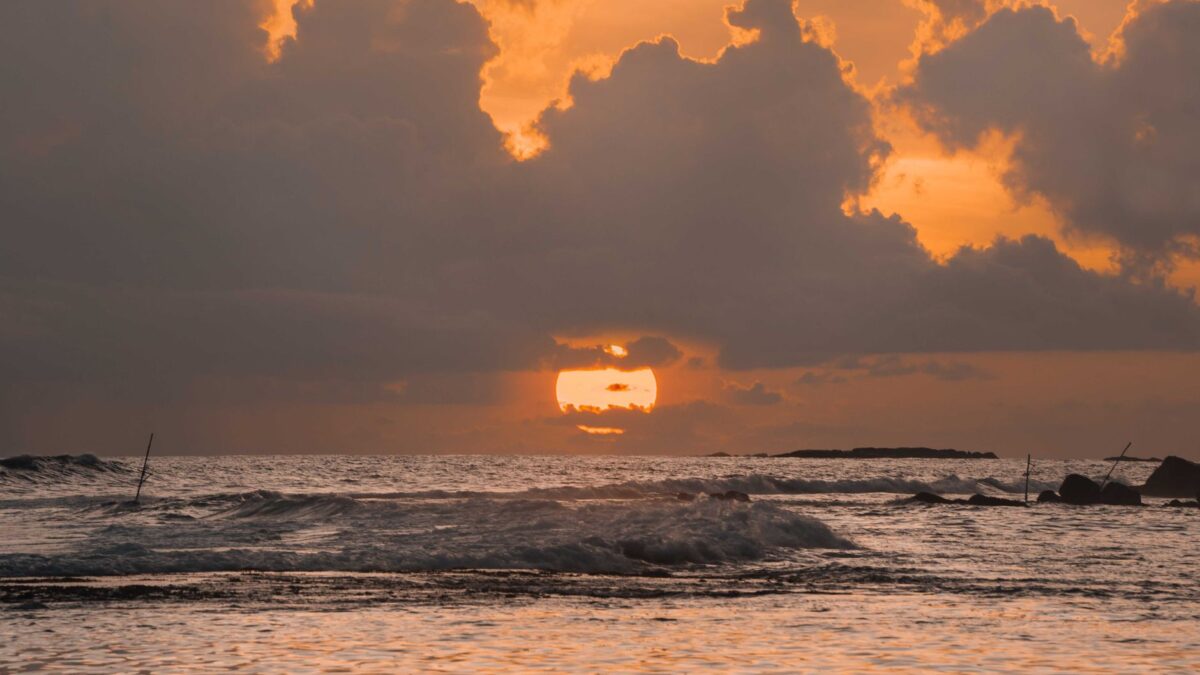
If you arrive in Colombo on a late September afternoon, the air hits you differently. It is not just humidity; it is a heavy, warm blanket that settles into your skin before you even step out of the airport. I remember standing near Galle Face Green recently, watching the light fade over the Indian Ocean while a light drizzle fell for thirteen hours straight. The city felt suspended in time—quiet, unsettled, and strangely intimate. This transitional period, where the monsoons shift and the tourist crowds thin out, offers a unique vantage point to understand Sri Lanka’s rhythm. But when exactly should you come? The answer depends entirely on what kind of travel experience you are chasing.
December to March: The Golden Coast
For most visitors, this is the sweet spot. The weather along the southern and western coasts is dry, sunny, and perfect for beach life. You can relax on the sands of Mirissa or Unawatuna without worrying about sudden downpours. However, this is also peak season. Prices for accommodation climb, and popular spots like Ella become crowded with backpackers. If you visit during these months, expect to pay a premium. A mid-range restaurant dinner for two might cost around ₨8,463 (about $26), but booking ahead is essential if you want good rates.
The cultural triangle—Kandy, Sigiriya, and Polonnaruwa—is also at its best here, though the heat can be intense by midday. Start your days early. Afternoon siestas are a local habit for a reason. In Colombo, even during the high season, you can find quiet moments. Wander through Cinnamon Gardens, where the leafy streets and colonial villas offer a cool respite from the sun. Visit the National Museum to see the royal regalia of Kandy, or simply watch the sunset kite-flying at Galle Face Green. It is busy, yes, but the energy is vibrant and festive.
April to May: The Hot Interlude
This period marks the end of the dry season and the beginning of the first monsoon. The country gets hot—very hot. Temperatures in Colombo often hover between 25°C and 30°C, but the ‘feels like’ temperature can soar to 35°C. This is the time of the Esala Perahera festivals in Kandy, one of the most spectacular cultural events in Asia. If you love culture and don’t mind sweat, this is your window. The crowds are thinner than in December, but the heat is unforgiving.
Food prices remain stable, offering a chance to indulge in local cuisine without the peak-season markup. A plate of kottu roti—a beloved dish of chopped roti stir-fried with egg and meat—costs roughly ₨700–1,500 (around $2.1) at a typical shop. An egg hopper, a crispy bowl-shaped pancake, runs ₨150–350. Grabbing a cup of coffee at a place like Grind or Radicle Specialty Coffee will set you back about ₨801 ($2.4). It is a good time to explore the interior hills, but bring water and sunscreen. The beaches on the west coast start getting rain showers, so plan accordingly.
June to September: The Monsoon Shift
Here is where my local knowledge really pays off. While guidebooks often warn against visiting during the monsoon, they usually refer only to the southwest coast. From June to September, the southwest monsoon brings rain to Colombo, Galle, and Mirissa. But the northeast coast—Trincomalee, Arugam Bay, and Pasikudah—enters its dry, sunny phase. This is the best time for surfing and beach lounging if you avoid the west.
In Colombo, September can feel unsettled. As I experienced recently, the city sees heavy drizzles and high humidity. Visitor numbers drop significantly. This is an advantage for budget travelers. You can find better deals on hotels and flights. Renting a modest one-bedroom flat in the city centre costs around ₨182,500 monthly (about $560), but short-term stays often reflect this lower demand. The food scene remains lively despite the rain. Head to the Dutch Hospital precinct for dining, or explore Pettah, the chaotic wholesale bazaar. Just be prepared for occasional interruptions in plans due to rain.
Safety remains a priority. Colombo is broadly safe, but watch your bags in crowded areas like Pettah. Use app-booked tuk-tuks via PickMe or Uber rather than flagging them on the street. Avoid the classic scam where someone claims a temple is closed and directs you to a gem shop. Stick to well-lit areas at night. The political mood is cautiously optimistic under the current government, and daily life proceeds normally, though occasional protests can occur. Stay informed, but do not let fear dictate your itinerary.
October and November: The Second Transition
These months mark the switch from the northeast to the southwest monsoon. The weather is unpredictable. Some days are bright and clear; others bring torrential rain. This is a good time for inland travel, as the central hills are lush and green. However, the southeast coast begins to open up towards late November. If you are flexible, October can be a rewarding month for exploring the cultural sites without the summer crowds.
Transportation costs are low. A single bus ride costs about ₨56 ($0.2), and a monthly transit pass is roughly ₨2,347 ($7). Taxis have a base fare of ₨125 ($0.4), with charges around ₨115 per km. Eating out is affordable. A simple rice-and-curry plate at a local eatery costs ₨400–800 ($1.8). For a more upscale experience, Ministry of Crab near the Old Dutch Hospital offers famous mud crabs, though prices are higher. Street food at Galle Face Green is a must-try; evening snacks like isso wade (prawn fritters) cost ₨100–600, with a full meal’s worth around ₨800–1,500 ($1.1).
Practical Tips for Any Season
Regardless of when you visit, practical preparation makes all the difference. Tourists enter on an ETA, typically costing US$50 for most nationalities, though visas are fee-free for citizens of India, China, Russia, Indonesia, Thailand, Malaysia, and Japan. Check the latest requirements before booking. Stays beyond 30 days require converting to a Residence Visa at the Department of Immigration & Emigration in Battaramulla.
Getting connected is easy. Passport-based SIM registration is mandatory. Dialog Axiata offers the best coverage, with tourist SIMs available at the airport for roughly LKR 1,000. Banking is straightforward; expats can open resident rupee accounts at Commercial Bank, Hatton National Bank, or Sampath Bank with a passport, visa, and employer letter.
Colombo itself is a microcosm of Sri Lanka. Start at Fort, the historic colonial core, with its Dutch Hospital shopping precinct. Move to Pettah for the sensory overload of the Red Mosque and floating market. Then, head to Kollupitiya for seaside dinners and the Gangaramaya Temple. End your day at Mount Lavinia for seafood and sunset views. Whether you are there for the AI Week hackathons, the fashion shows, or just to escape the cold, Sri Lanka welcomes you with open arms. Come for the weather, stay for the warmth of the people.
Frequently asked questions
What is the best time to visit Sri Lanka for beach holidays?
The best time depends on the coast. For the south and west coasts, December to March is ideal. For the east coast, such as Trincomalee and Arugam Bay, June to September offers the best weather.
How much does a meal cost in Colombo?
Local meals are very affordable. A rice-and-curry plate costs around $1.8, while a plate of kottu roti is approximately $2.1. A three-course dinner at a mid-range restaurant runs about $26.
Is Colombo safe for tourists in 2026?
Colombo is generally safe in well-lit areas. Standard precautions apply: watch your belongings in crowded markets like Pettah, use app-based transport, and avoid unsolicited gem shop tours.
Do I need a visa to enter Sri Lanka?
Most tourists need an ETA, costing about US$50. Citizens of India, China, Russia, Indonesia, Thailand, Malaysia, and Japan currently enjoy fee-free tourist visas, but verify current lists before travel.
What is the currency and exchange rate situation?
The currency is the Sri Lankan Rupee (LKR). The exchange rate fluctuates, but historically has been around 327.5 LKR per US dollar. Prices are listed in LKR, which is cheap for eating out but expensive for rent.
Things to do in Sri Lanka
 Private City Day Tour in Anuradhapura
 Private Car & Driver for 07 Days Tour In Sri Lanka
 Chauffeur guide and Tour organizer
 Highly recommended multi day tour in Sri Lanka
 Udawalawe National Park Half Day Jeep Safari (Private Tour)
 Private Traditional Sri Lankan Cooking Class in Kandy with Hotel Transfers