

Moving to Rwanda: visas, banking and SIM cards
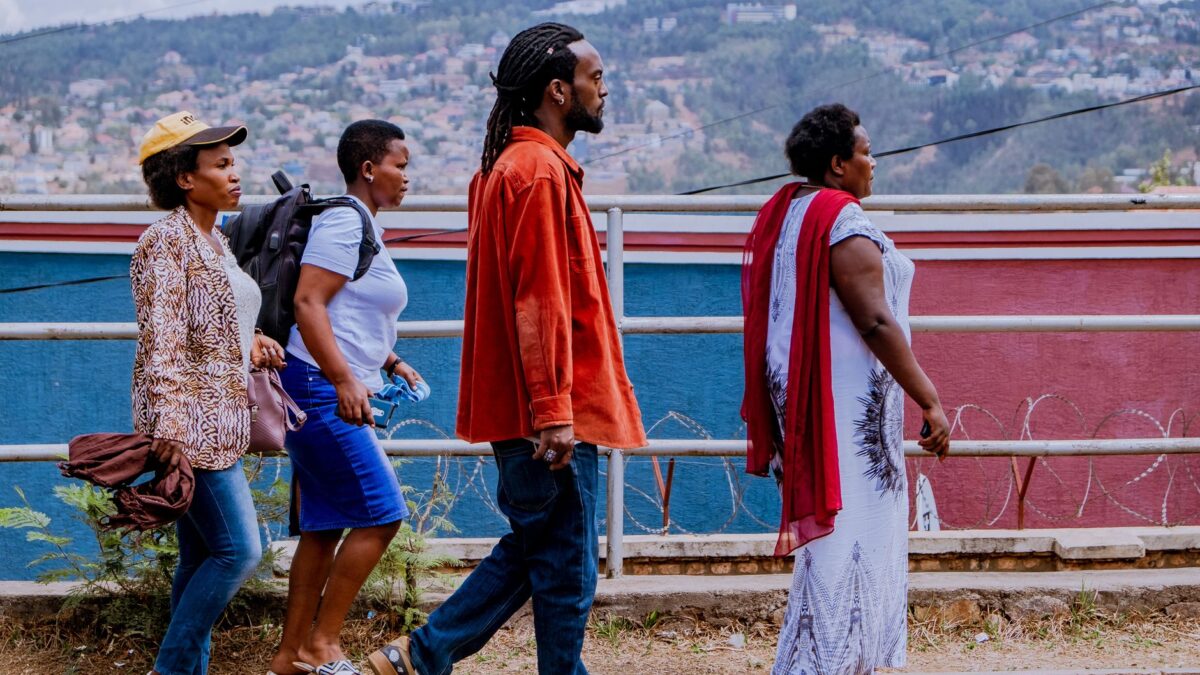
You step off the plane at Kigali International Airport, and the first thing that hits you is not just the humidity, but the rhythm. It is late September here, sitting right at the tail end of the long dry season. The air is dusty and hazy, carrying a warm, bright promise before the short rains typically begin to arrive in October. As you navigate the terminal, you might notice the buzz about major road reconstruction on the Prince House–Giporoso–Cyamitsingi–Masaka corridor, which has restricted traffic to one lane each way since late August. If you are heading into the city, give yourself extra time; the Rwanda Airports Company warns that lane closures between the Prince House roundabout and Cyamitsingi mean your usual twenty-minute drive could easily stretch. But once you clear immigration, you are entering a place that feels meticulously ordered, safe, and surprisingly easy to navigate if you know where to look.
Entry and Residence: The Paperwork Trail
For most visitors, the entry process is straightforward. You will likely receive a tourist visa on arrival at the airport, which typically costs around US$50 for a 30-day stay. However, if you plan to stay longer or work, you need to pivot quickly to residence permits. This is handled by the Directorate General of Immigration and Emigration (DGIE). You can start this process online via the irembo.gov.rw e-government portal, which is the backbone of Rwanda’s digital administration. Whether you are filing for a work permit or registering your address with your local district, using Irembo saves you hours of queueing.
Remember that your passport must be valid for at least six months beyond your entry date. Some nationalities are visa-exempt, so check the official Rwanda immigration portal in advance if you want to apply for an e-visa before you fly. Once you are settled, there is one cultural ritual you cannot skip: Umuganda. This is the monthly community work day held on the last Saturday morning of every month. For two hours, the country pauses. Shops close, Uber and buses stop running, and everyone participates in communal cleaning or building projects. It is not just a rule; it is a social contract. Participating helps you integrate, showing respect for the tightly ordered, punctual nature of Rwandan life under the current administration.
Banking and the Mobile Money Reality
Opening a bank account is your second priority after securing your permit. While there are several options, Bank of Kigali (BK) is the default choice for expats. It boasts the largest ATM network and has dedicated desks for foreigners. Other common names include Equity Bank, I&M Bank, and BPR. When you walk into a branch—perhaps the I&M Bank Head office or a Bank of Kigali branch like the one at Gisozi’s Umukindo Center—bring your passport, your residence or work permit, proof of address, passport photos, and a small cash deposit.
However, here is the local secret: your bank account is secondary to your mobile wallet. In Rwanda, the real daily payments rail is MTN MoMo. You will use it for everything from paying rent to buying vegetables at Kimironko Market. To get started, buy a SIM card from MTN Rwanda or Airtel Rwanda at an official store or the airport. Registration requires your passport. Once active, open your MoMo account by dialing *182#. Shops, landlords, and moto drivers all accept it. Cash is still used, but digital transactions via MoMo are ubiquitous and far more convenient for navigating the city.
Getting Around: Motos, Buses, and Apps
Kigali is compact, but traffic can be unpredictable, especially with ongoing infrastructure projects. For getting around, you have two main options: public transit and ride-hailing. Kigali Bus Services (KBS) are efficient and modern, but they are cashless. You must buy and top up a Tap&Go smart card at yellow-vested agents located at terminals like those for RFTC or AC Group. A single city bus ride costs roughly 300–800 RWF (about $0.4), making it incredibly affordable relative to the average net salary of 450,000 RWF per month.
For speed and flexibility, however, most residents rely on motorcycle taxis, known as “motos.” You can hail them on the street, but using apps like Yego Moto or SafeMotos is safer and ensures fair pricing. A short ride within the city usually runs about 1,000–2,000 RWF (approximately $1.1). Note that fuel price rises in 2025-26 have nudged these fares slightly upward, but they remain cheap. Always wear the helmet provided; it is enforced and non-negotiable for your safety.
Where to Stay and Settle
Choosing your neighborhood depends on whether you want the expat bubble or local immersion. Rent in Kigali is climbing, with modest one-bedroom flats ranging from 350,000 to 600,000 RWF (around $360) per month, up 8–20% year-on-year in early 2026 estimates. Nyarutarama is the prime expat ‘golden triangle,’ home to the Kigali Golf Club, Lake Nyarutarama, and international schools like Green Hills Academy. If you prefer the diplomatic vibe, Kacyiru houses government ministries and embassies, while Kiyovu offers upscale hillside living near the historic Hotel des Mille Collines.
For a more authentic experience, look at Kimihurura, the modern expat hub near the Kigali Convention Centre and Kigali Heights mall, or Nyamirambo, Kigali’s oldest neighbourhood. Nyamirambo is a Muslim quarter known for its tailors, night markets, and roadside brochettes. The Nyamirambo Women’s Center here runs excellent community walking tours. Regardless of where you stay, remember that plastic bags have been banned since 2008. Carry reusable bags everywhere; enforcement is strict at shops and even at the airport.
Daily Life and Costs
Living in Kigali is economically manageable if you eat locally. A one-plate lunch buffet at an inexpensive local spot—usually rice, beans, plantain, and meat—costs between 2,500 and 5,000 RWF (about $2.8). Fresh milk is around 1,100–1,400 RWF per litre, and a loaf of white bread is roughly 1,100–1,500 RWF. If you want a cappuccino at a café like ONECUP Coffee House or Question Coffee Gishushu, budget around 3,500 RWF (about $2.7). A mid-range restaurant dinner for two might set you back 40,000 RWF, but street food like goat brochettes or chapatis are mere cents.
Safety is another pillar of daily life. Kigali is routinely ranked as one of Africa’s safest capitals. You can walk freely, but exercise basic discretion. Do not photograph embassies, military installations, or government buildings. Take time to explore landmarks like the Kandt House Museum, the oldest house in Kigali, or spend a sobering two hours at the Kigali Genocide Memorial in Gisozi. These sites provide essential context to the city’s rapid rebuild from 1994 into a model capital today. With its clean streets, punctual services, and vibrant fintech scene, Rwanda offers a unique, orderly, yet deeply human foundation for your new chapter.
Frequently asked questions
How do I get a residence permit in Rwanda?
Apply through the Directorate General of Immigration and Emigration (DGIE) online via the irembo.gov.rw portal. You will need your passport, visa, and proof of purpose such as a work contract.
What is the best SIM card for expats in Kigali?
MTN Rwanda is the most widely used because it powers MoMo (mobile money), which is essential for daily payments like rent, transport, and market purchases.
How much does a modest apartment cost in Kigali?
Roughly 350,000–600,000 RWF (about $360) per month for a one-bedroom flat, though rents have been rising 8–20% annually in recent years.
What is Umuganda and when does it happen?
It is the mandatory monthly community work day on the last Saturday morning of every month. During this time, public transport stops, and citizens participate in local cleanup or construction projects.
Is it safe to use cash or should I use mobile money?
While cash is accepted, mobile money (MoMo) via MTN or Airtel is the primary payment method for almost all transactions, including motos, markets, and some rentals.


