
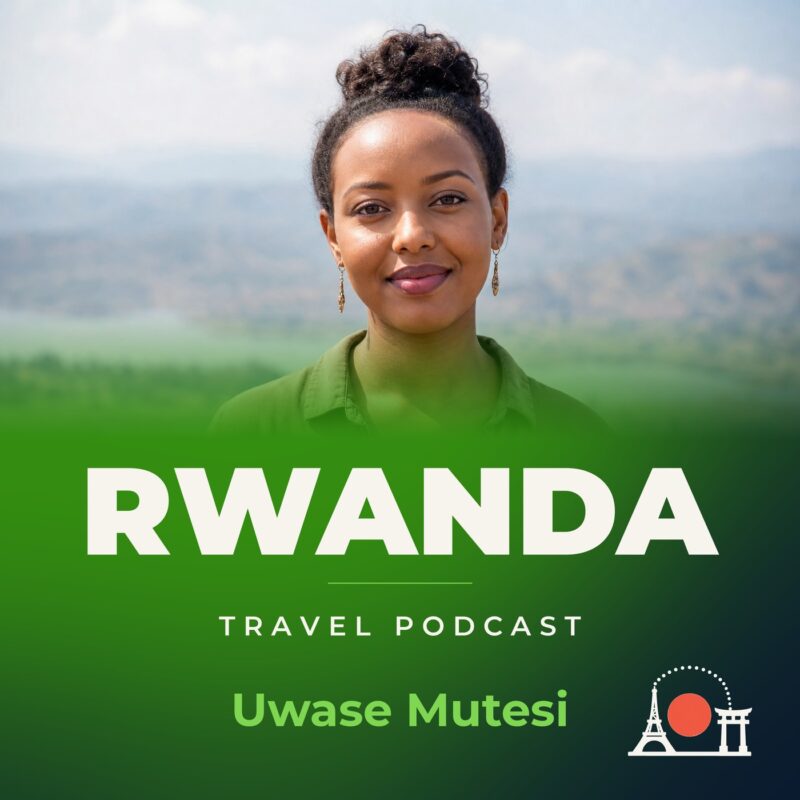
Rwanda Travel Podcast with Uwase Mutesi
Hosted by Uwase Mutesi — a new episode every day from Rwanda.
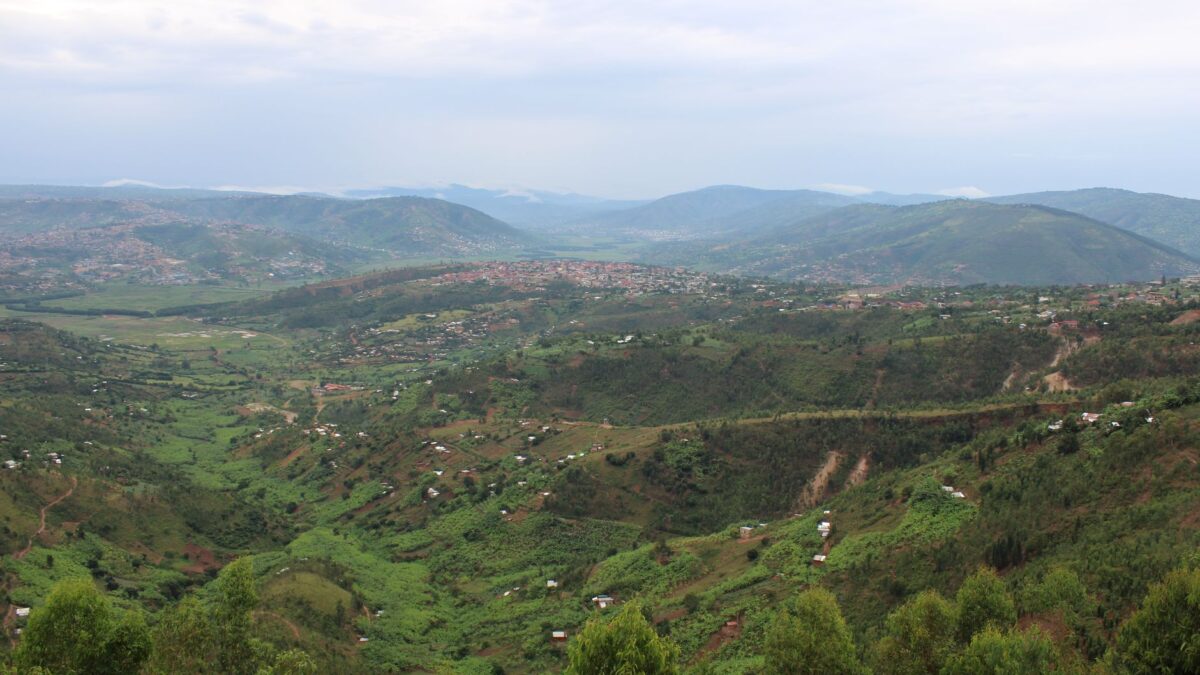
This podcast is a slow, grounded journey through Rwanda, hosted by one person living there rather than passing through. Travelling in this country means moving between the capital’s hilly streets and the grassy uplands that cover most of the land, always aware of the altitude and the two rainy seasons.
The host’s range takes in Kigali, the dense central regions, the lakeshore communities on Lake Kivu, and the higher mountain ridges to the west. She treats each as a base for a while, learning how the land is farmed and how weather changes with altitude.
Across a couple of years, the show unfolds in repeated visits rather than linear tours. The host returns to the same places as the November rains arrive and the February rains pass, watching the landscape change, and lets familiarity build slowly into a resident’s knowledge.
Recent episodes
Things to do in Rwanda
 Private Kanchipuram & Mahabalipuram Day Trip from Chennai
 Private Gorilla Trekking Transfer from kigali to Volcanoes N.Park
 Women-led Coffee Farm Trek
 Kigali Motorbike Tours
 1 Day Rwanda Gorilla Trekking Tour
 1 Day Gorilla Trekking Safari Tour
 Akagera 1-Day Safari, Lake Ihema Boat Ride & Park Fees Included
 1 Day Rwanda Gorilla Trekking In Volcanoes National Park
Plan your trip to Rwanda
Getting around
Staying connected
Rwanda at a glance
Rwanda in depth
Reference data on the country — geography, people, history, economy and transport.
Geography and climate
Location
Central Africa, east of the Democratic Republic of the Congo, north of Burundi
Terrain
Mostly grassy uplands and hills; relief is mountainous with altitude declining from west to east
Climate
Temperate; two rainy seasons (February to April, November to January); mild in mountains with frost and snow possible
Elevation
- Highest point
- Volcan Karisimbi 4,519 m
- Lowest point
- Rusizi River 950 m
- Mean elevation
- 1,598 m
Area
- Total
- 26,338 sq km
- Land
- 24,668 sq km
- Water
- 1,670 sq km
Size comparison
Slightly smaller than Maryland
Coastline
0 km (landlocked)
Land borders
- Total
- 930 km
- Border countries
- Burundi 315 km; Democratic Republic of the Congo 221 km; Tanzania 222 km; Uganda 172 km
Natural resources
Gold, cassiterite (tin ore), wolframite (tungsten ore), methane, hydropower, arable land
Land use
- Agricultural land
- 76.3% (2023 est.)
- Arable land
- 47% (2023 est.)
- Permanent crops
- 13.7% (2023 est.)
- Permanent pasture
- 15.6% (2023 est.)
- Forest
- 24.5% (2023 est.)
- Other
- 0% (2023 est.)
Natural hazards
Periodic droughts; the volcanic Virunga Mountains are in the northwest along the border with Democratic Republic of the Congo
Volcanism: Visoke (3,711 m), on the border with the Democratic Republic of the Congo, is the country's only historically active volcano
Note
Landlocked; most of the country is intensively cultivated and rugged, with the population predominantly rural
People and society
Population
- Total
- 13,623,302 (2024 est.)
- Male
- 6,684,655
- Female
- 6,938,647
Nationality
- Noun
- Rwandan(s)
- Adjective
- Rwandan
Ethnic groups
Hutu, Tutsi, Twa
Languages
- Languages
- Kinyarwanda (official, universal Bantu vernacular) 93.2%, French (official) <0.1%, English (official) <0.1%, Swahili/Kiswahili (official, used in commercial centers) <0.1%, more than one language, other 6.3%, unspecified 0.3% (2002 est.)
- Major-language sample(s)
- Inkoranya nzimbuzi y'isi, isoko fatizo y'amakuru y'ibanze. (Kinyarwanda)
Religions
Catholic 39.9%, Pentecostal 21.3%, Protestant 14.6%, Adventist 12.2%, other Christians 4.2%, no religion 3.0%, Muslim 2.0%, other religions 2.0%; less than 1%: Jehovah Witness, not specified, Animist (2022 est.)
Median age
- Total
- 21.3 years (2025 est.)
- Male
- 20.1 years
- Female
- 21.5 years
Life expectancy
- Total population
- 66.6 years (2024 est.)
- Male
- 64.6 years
- Female
- 68.6 years
Urbanisation
- Urban population
- 17.9% of total population (2023)
- Rate of urbanization
- 3.07% annual rate of change (2020-25 est.)
Where people live
One of Africa's most densely populated countries; large concentrations tend to be in the central regions and along the shore of Lake Kivu in the west, as shown in this population distribution map
Largest cities
1.248 million KIGALI (capital) (2023)
Background and government
Background
Rwanda -- a small and centralized country dominated by rugged hills and fertile volcanic soil -- has exerted disproportionate influence over the African Great Lakes region for centuries. A Rwandan kingdom increasingly dominated the region from the mid-18th century onward, with the Tutsi monarchs gradually extending the power of the royal court into peripheral areas and expanding their borders through military conquest. While the current ethnic labels Hutu and Tutsi predate colonial rule, their flexibility and importance have varied significantly over time and often manifested more as a hierarchical class distinction than an ethnic or cultural distinction. The majority Hutu and minority Tutsi have long shared a common language and culture, and intermarriage was frequent.
The Rwandan royal court centered on the Tutsi king (mwami), who relied on an extensive network of political, cultural, and economic relationships. Social categories became more rigid during the reign of RWABUGIRI (1860-1895), who focused on aggressive expansion and solidifying Rwanda’s bureaucratic structures. German colonial conquest began in the late 1890s, but the territory was ceded to Belgian forces in 1916 during World War I. Both European nations quickly realized the benefits of ruling through the already centralized Rwandan Tutsi kingdom. Colonial rule reinforced existing trends toward autocratic and exclusionary rule, leading to the elimination of traditional positions of authority for Hutus. Belgian administrators significantly increased requirements for communal labor and instituted harsh taxes, which fed the population's frustration. Changing political attitudes in Belgium contributed to colonial and Catholic officials shifting their support from Tutsi to Hutu leaders in the years leading up to independence.
Simmering resentment of minority rule exploded in 1959, three years before independence from Belgium, when Hutus overthrew the Tutsi king. Thousands of Tutsis were killed over the next several years, and some 150,000 were driven into exile in neighboring countries. Army Chief of Staff Juvenal HABYARIMANA seized power in a coup in 1973 and ruled Rwanda as a single-party state for two decades. HABYARIMANA increasingly discriminated against Tutsis, and extremist Hutu factions gained prominence after multiple parties were introduced in the early 1990s. The children of Tutsi exiles later formed a rebel group, the Rwandan Patriotic Front (RPF) and began a civil war in 1990. The civil war exacerbated ethnic tensions and culminated in the shooting down of HABYARIMANA’s private jet in 1994. The event sparked a state-orchestrated genocide in which Rwandans killed more than 800,000 of their fellow citizens, including approximately three-quarters of the Tutsi population. The genocide ended later the same year when the predominantly Tutsi RPF, operating out of Uganda and northern Rwanda, defeated the national army and Hutu militias and established an RPF-led government of national unity. Rwanda held its first local elections in 1999 and its first post-genocide presidential and legislative elections in 2003, formalizing President Paul KAGAME’s de facto role as head of government. KAGAME was formally elected in 2010, and again in 2017 after changing the constitution to allow him to run for a third term.
Government
Presidential republic
Capital
Kigali
Time zone
UTC+2 (7 hours ahead of Washington, DC, during Standard Time)
Local name
Republika y'u Rwanda
Independence
1 July 1962 (from Belgium-administered UN trusteeship)
National day
Independence Day, 1 July (1962)
Economy and cost of living
Overview
Low-income Sub-Saharan economy; services, industry, and agriculture sectors driving growth; increased government spending on human capital, energy, and healthcare; major infrastructure projects including the Bugesera Airport intended to support long-term growth; challenges include lack of economic diversification, high inflation, and wide current account deficit
GDP per capita
- Real GDP per capita 2024
- $3,300 (2024 est.)
- Real GDP per capita 2023
- $3,100 (2023 est.)
- Real GDP per capita 2022
- $2,900 (2022 est.)
Inflation
- Inflation rate (consumer prices) 2024
- 1.8% (2024 est.)
- Inflation rate (consumer prices) 2023
- 19.8% (2023 est.)
- Inflation rate (consumer prices) 2022
- 17.7% (2022 est.)
Unemployment
- Unemployment rate 2024
- 12% (2024 est.)
- Unemployment rate 2023
- 12.4% (2023 est.)
- Unemployment rate 2022
- 15.1% (2022 est.)
Exchange rate
- Currency
- Rwandan francs (RWF) per US dollar -
- Exchange rates 2024
- 1,318.128 (2024 est.)
- Exchange rates 2023
- 1,160.099 (2023 est.)
- Exchange rates 2022
- 1,030.308 (2022 est.)
- Exchange rates 2021
- 988.625 (2021 est.)
- Exchange rates 2020
- 943.278 (2020 est.)
Main industries
Cement, agricultural products, small-scale beverages, soap, furniture, shoes, plastic goods, textiles, cigarettes
Agriculture
Bananas, cassava, sweet potatoes, plantains, potatoes, maize, beans, pumpkins/squash, taro, sorghum (2023)
Transport and connectivity
Airports
8 (2025)
Internet domain
.rw
Internet users
Percent of population 34% (2023 est.)
Mobile subscriptions
- Total subscriptions
- 12.8 million (2023 est.)
- Subscriptions per 100 inhabitants
- 80 (2022 est.)
Environment
Environmental issues
Deforestation; overgrazing; land degradation; soil erosion; a decline in soil fertility (soil exhaustion); wetland degradation and loss of biodiversity; widespread poaching
Fresh water
13.3 billion cubic meters (2022 est.)
Country reference figures are periodically revised. Check anything time-sensitive or safety-critical against an official source before you travel.
Rwanda travel guides
 News & Updates
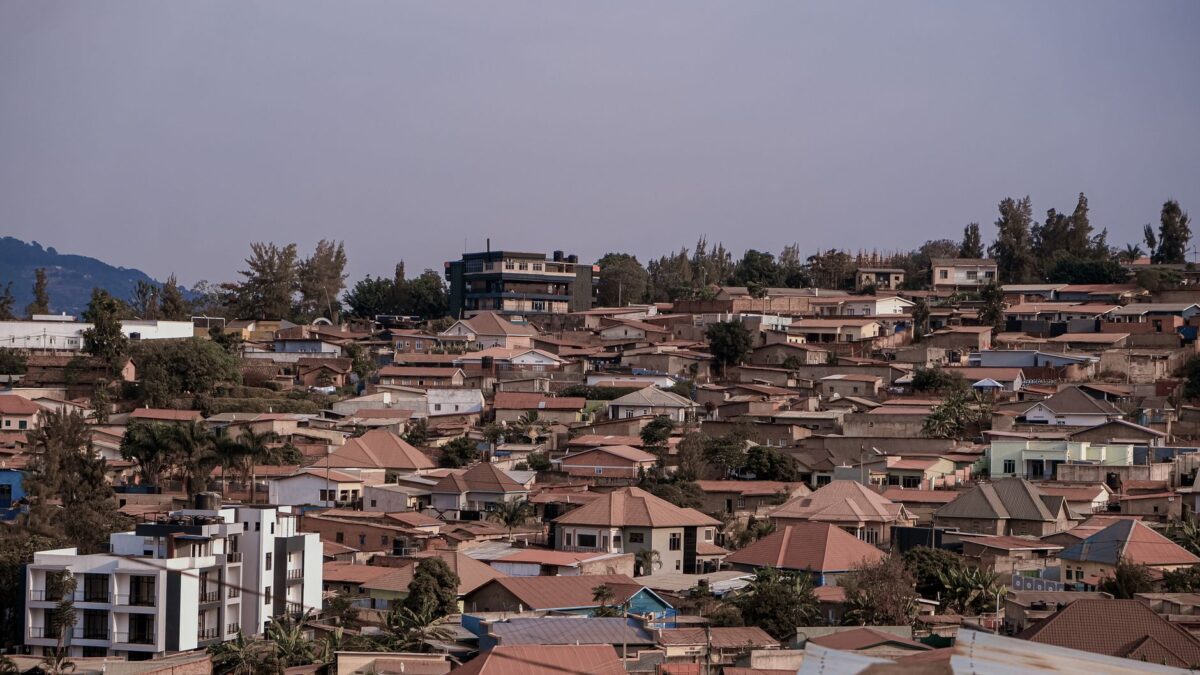
Rwanda in September 2026: what travelers should know now
Rwanda travel briefing September 2026: Kwita Izina, Africa Food Forum, weather, costs & urgent safety tips for Kigali.
 Costs & Money
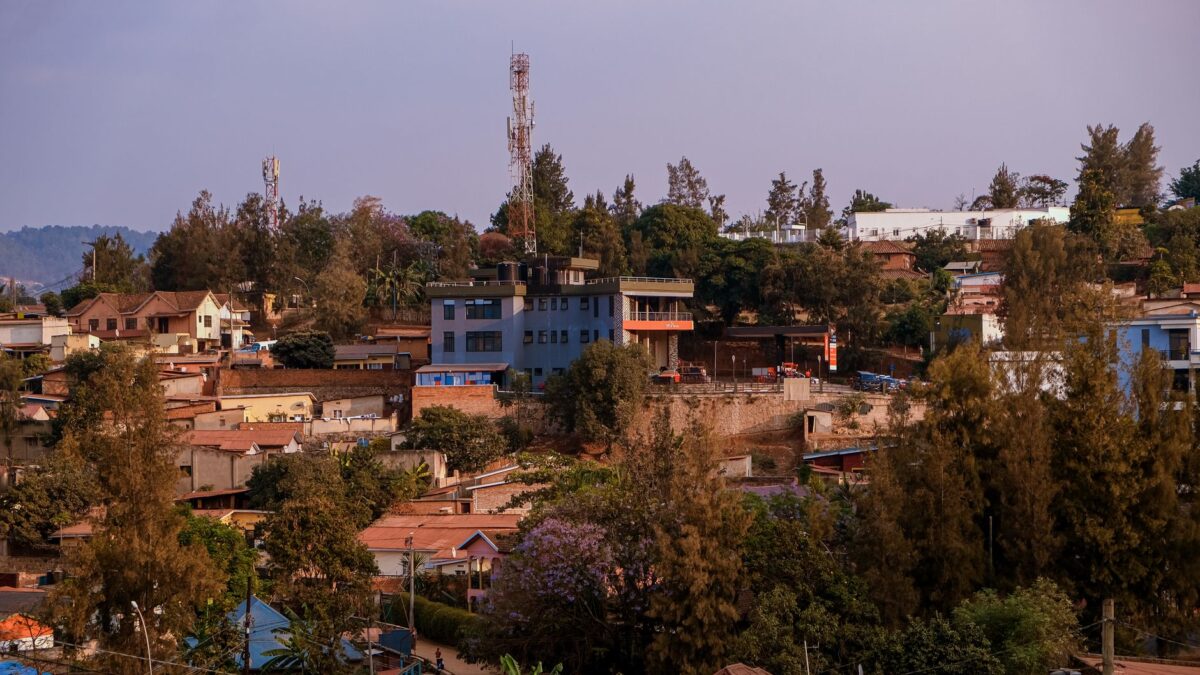
How much does a trip to Rwanda cost?
A realistic breakdown of trip costs to Rwanda in 2026, covering budget, mid-range, and luxury expenses for Kigali accommodation, food, and attractions.
 News & Updates
Rwanda in August 2026: what travelers should know now
Rwanda in August 2026: Kigali's water crisis, hip-hop festival, motorcycle races, and practical tips. Your local guide to this month's must-knows.
East Africa
 Kenya
KenyaKenya Travel Podcast with Baraka Kimani
The Swahili coast has linked Mombasa with India, China, Persia and the Arab world since at least the 2nd century, shaping Kenya's…
 Tanzania
Tanzania Travel Podcast with Zawadi Mushi
The northern highlands of Tanzania contain Kilimanjaro, Africa's highest point, one of only three mountain ranges on the continent with glaciers.
 Uganda
Uganda Travel Podcast with Daniel Okello
A Uganda travel show that follows the seasons from Kampala's hills to Lake Victoria's shore, with time to learn the country as…
 Ethiopia
Ethiopia Travel Podcast with Dawit Bekele
The Great Rift Valley slices through Ethiopia's high plateau, dividing a landscape where the Blue Nile rises from Lake Tana and most…