

How much does a trip to Nigeria cost?
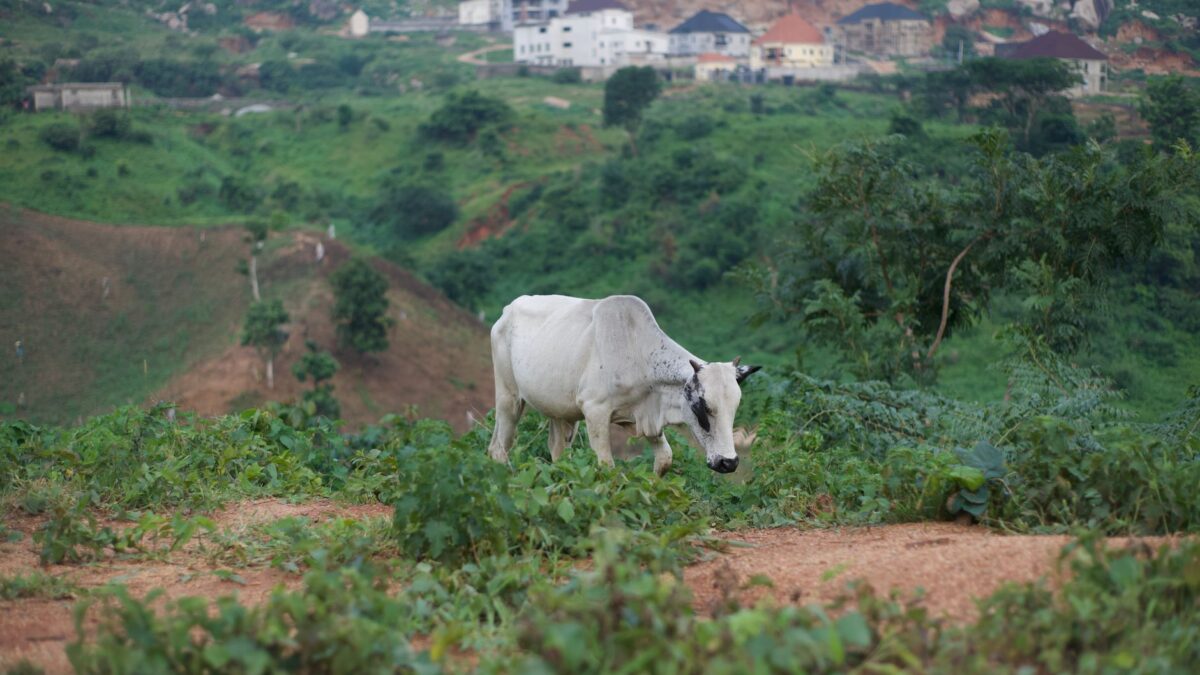
The heat in Abuja doesn’t just sit on you; it presses down, heavy and humid, turning the air into a warm blanket even at 22°C. It is September, the tail end of the rains, and the sky is bruised purple with clouds that threaten another deluge. If you are standing here, wondering how much it will cost to navigate this planned city without breaking the bank or your dignity, let me tell you: money here moves fast. The naira has been through the wringer, inflation is climbing, and prices shift faster than the traffic on Independence Avenue. But if you know where to look, Nigeria remains one of the most vibrant, affordable places on earth. I am Chidi Okafor, and I have lived these streets long enough to know which pockets hurt and which ones don’t.
Where You Sleep: The Rent vs. Room Reality
Your biggest decision before you even pack your bags is location. Abuja is spread out, and “central” is a relative term. For the comfortable traveler, you will likely aim for Maitama or Asokoro. Maitama is the diplomatic quarter—leafy, quiet, and home to the Transcorp Hilton and embassies like the British High Commission on Aguiyi Ironsi Way. Here, accommodation is premium. A night in a mid-range hotel or guesthouse (think 3-star class) will set you back between ₦50,000 and ₦80,000 per night. That is roughly $45. If you want to save, look slightly further out to Garki or Wuse, where budget guesthouses might offer a bed for ₦18,000–₦40,000. Just remember: security is tight in these zones, and you will feel safer sleeping behind gates with 24-hour guards.
If you are staying longer than a month, renting becomes an option, but the currency is annual. A modest one-bedroom flat in a suburban area like Bwari or Kubwa costs around ₦700,000–₦850,000 per year. That breaks down to about ₦58,000–₦71,000 monthly. Prime central districts run ₦1.5–3 million annually. Do not be surprised by these figures; rent has roughly doubled in two years. Budget travelers can survive on less, but comfort in Abuja comes at a price, especially as fuel subsidy removals ripple through the economy.
Eating Like a Local: Bukkas and Fine Dining
Food is the soul of Nigerian travel, and Abuja’s culinary scene is surprisingly diverse. You do not need to spend hundreds of dollars to eat well. In fact, some of the best meals come from the humble “bukka”—local eateries found in almost every commercial district. Walk into a bukka in Wuse or Garki, and a plate of native rice or a simple jollof rice will cost you only ₦1,500–₦2,000 (about $1.2–$1.4). This is where you go for everyday sustenance. Try the “swallow”—pounded yam or eba served with rich soup—for about ₦1,500. It is filling, authentic, and cheap.
For something more iconic, seek out a bowl of amala with gbegiri and ewedu, locally known as “abula.” At places like Nkoyo or Village Chief Restaurant & Bar, you might pay ₦2,500 (around $1.7) for this spicy, earthy delight. If you prefer Western-style dining or international cuisine, head to the Wuse 2 restaurant strip or cafes like Café de vie and Pink Bear. A single main dish at a mid-range restaurant runs ₦3,000–₦6,000 ($3). Note that prices in Abuja are climbing fast; a pot of jollof rice in the city jumped ~150% since 2023 due to devaluation. Always ask the price before ordering, and never assume the menu is fixed.
Moving Through the City: Transport Costs
Abuja has no single stored-value metro card in common use for tourists, though the light-rail system (Idu–Airport–Kubwa) reopened in 2024 for commuter services. Check current schedules locally, as service has been intermittent. For daily movement, you have options. Minibuses are the cheapest way to get around, costing a few hundred naira, but they can be crowded and confusing for first-timers. “Keke” tricycle taxis are fun for short hops within neighborhoods like Wuse or Garki, but negotiate the fare before you get in.
For visitors, Uber and Bolt are the default. They are reliable, safe, and reasonably priced. A short ride across town might cost ₦2,000–₦5,000 depending on demand. Avoid non-essential highway travel after dark. Kidnapping for ransom has been a real risk on corridors like Abuja–Kaduna and Abuja–Lokoja. Keep your ID on you at all times; checkpoints are routine, and police presence is visible in Central Districts like Maitama and Asokoro. If you hire a driver for the day, expect to pay a negotiated flat rate, usually starting around ₦15,000–₦20,000 for basic local tours.
Attractions: Free Views and Paid Adventures
Many of Abuja’s highlights are free or very cheap. Start at the Three Arms Zone along Independence Avenue. Here, you can admire the National Mosque with its gold domes and four minarets, and directly opposite, the National Christian Centre with its angular spires. Both are open to visitors outside prayer times; just dress modestly. Walk towards Millennium Park in Maitama, inaugurated by Queen Elizabeth II in 2003. It is a serene 18-hectare escape with fountains and shaded walks, perfect for escaping the afternoon heat.
For paid attractions, consider the Thought Pyramid Art Centre behind the Silverbird Galleria for contemporary Nigerian art, or the Discovery Museum Abuja for interactive exhibits. If you want nature, take a trip to Zuma Rock, the massive granite dome nicknamed “the Gateway to Abuja,” located about 40 km out on the Kaduna road. Entry is minimal, mostly covering parking or guide fees. Jabi Lake offers lakeside restaurants and boat rides, while Gurara Falls near Suleja is a classic day trip. Be cautious at markets like Wuse Market; bargaining is expected, and prices vary wildly based on your negotiation skills.
Hidden Costs and Practical Money Tips
Budgeting for Nigeria requires flexibility. Beyond food and lodging, factor in data. Mobile networks like MTN, Airtel, Glo, and 9mobile are essential. Since the NIN-SIM rules were enforced, you must register a SIM with your National Identification Number. Data plans are affordable but add up if you stream heavily. Also, carry small denominations of cash. While cards work in hotels and upscale malls like Jabi Lake Mall, many local vendors and transport drivers prefer cash.
If you plan to stay long-term, banking is a hurdle. You cannot operate a proper account without a Bank Verification Number (BVN) linked to your NIN. Opening an account needs proof of residence and referees. For short trips, use foreign currency cards cautiously; ATM fees and exchange rates can be unfavorable. Always keep a yellow-fever vaccination certificate handy; it is routinely checked at transport hubs and sometimes even by authorities. Finally, register your address with the Nigeria Immigration Service (NIS) within 7 days of arrival if you are staying longer. It is a bureaucratic step, but ignoring it can lead to fines or detention.
Nigeria is not easy, but it is rewarding. Your budget should reflect that reality: lean if you eat local and move smart, generous if you seek comfort. Either way, you will leave with full stomachs and stories to tell.
Frequently asked questions
How much does a meal cost in Abuja?
A meal at a local bukka costs about ₦1,500–₦2,000 ($1.2–$1.4), while mid-range restaurants charge ₦3,000–₦6,000 ($3).
Is Uber available in Abuja, Nigeria?
Yes, Uber and Bolt are the default transport options for visitors, offering reliable and safe rides for short distances.
What are the visa requirements for Nigeria in 2025?
Nigeria uses an online e-Visa system rolled out in May 2025. ECOWAS citizens enter visa-free, and all travelers need a yellow-fever certificate.
How much does a mid-range hotel cost per night?
Mid-range hotels or guesthouses typically cost ₦50,000–₦80,000 per night, with budget options available for ₦18,000–₦40,000.
Things to do in Nigeria
 Cairo Secrets Tour & Cairo Kept secrests Tour
 Mauritius Guided North Tour (Private)
 14 Days Exploring Nigeria, Benin, Togo, Ghana and Cote d'ivoire
 The Black Heritage - Badagry Tour with Lunch
 9 Days Four Country Tour Nigeria, Benin, Togo and Ghana
 Makoko Floating Slum An Authentic Experience with Son of Chief