
A first-timer’s guide to Serbia
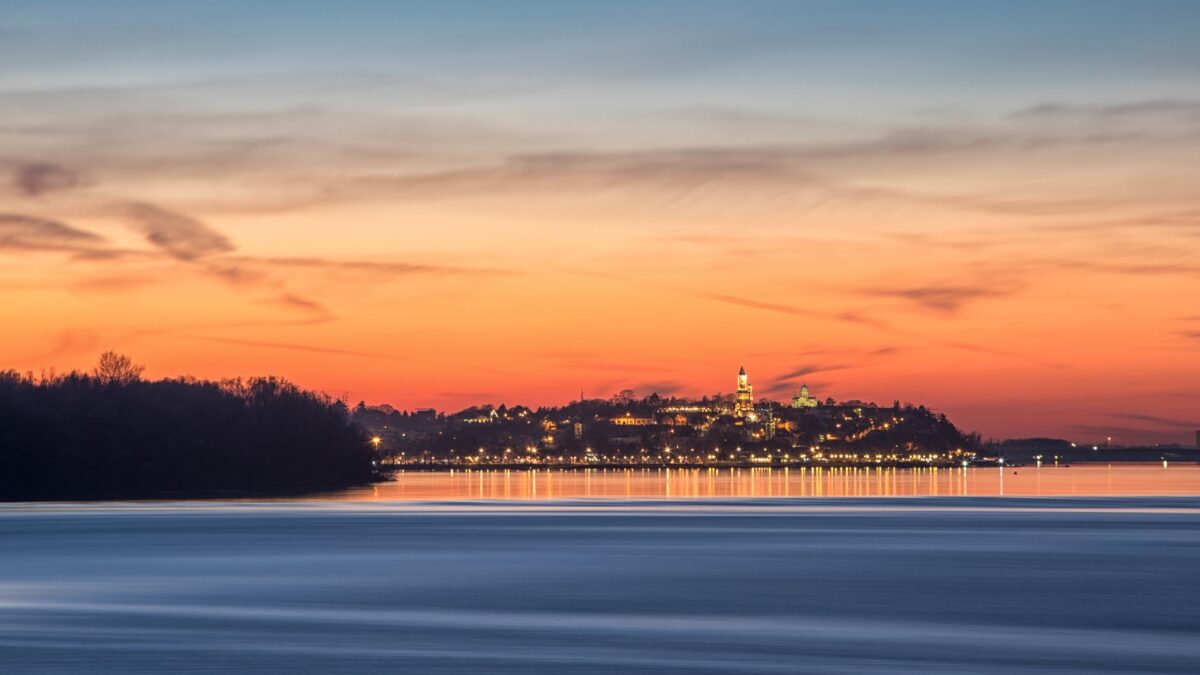
It is late September in Belgrade, and the air has that specific, crisp bite of early autumn. If you stand on the banks where the Sava meets the Danube, you can smell roasting peppers being prepared for ajvar, mingling with the scent of quinces and plum brandy. The evenings are cooling down—around 13–25°C today—and the city’s café life is shifting from riverside sunbathing to the warmth of chestnut-and-kafana season. You have arrived at a strategic crossroads of history, a ‘White City’ rebuilt by Celts, Romans, Ottomans, and Habsburgs, now pulsing with a vibrant, sometimes chaotic, modern energy.
The Practical Essentials: Money, Transit, and Getting Around
Let us start with the good news: getting around the city center will not cost you a dime. Since January 1, 2025, all city buses, trams, and trolleybuses in Belgrade are completely free for everyone. You no longer need to hunt for tickets or worry about validating them. The old BusPlus card scheme has been largely replaced by the Beograd Plus app, which you should download immediately. It does not handle payments anymore, but it is essential for tracking live vehicle positions and understanding route changes.
However, do not assume everything is free. The airport minibus (A1) and E-numbered express minibuses still charge fares. If you take regular airport buses like the 72, 600, or 607, those remain free. For taxis, never hail one off the street in the city center or at the airport. Use the CarGo app. A typical short ride within the city might set you back between 400 and 800 RSD (about $6). If you must buy a taxi voucher inside the terminal, do so to avoid unlicensed drivers who may refuse to run the meter.
Currency is the Serbian dinar (RSD). As of late 2024, the rate hovers around 108 RSD to the US dollar. While prices are generally low compared to Western Europe, inflation is around 3.9%, and rents are rising. A modest one-bedroom flat outside the center costs roughly 60,000 RSD monthly, while city-center apartments approach 87,500 RSD. For visitors, daily expenses are manageable. An espresso in an everyday kafana runs about 150–220 RSD. A hearty meal of ćevapi (grilled minced meat with somun bread) is approximately 500–700 RSD, and a pljeskavica with kajmak sits around 600–900 RSD. For a quick bite, a slice of burek from a local pekara is about 250–350 RSD. Student canteens (menza) offer hot meals for as little as 200–300 RSD if you want to eat like a local.
Navigating the Districts: Where to Stay and Wander
Belgrade is compact but distinct. Your first stop should be Stari Grad (Old Town), the historic heartbeat containing Kalemegdan Fortress, the pedestrian Knez Mihailova Street, and Republic Square. This area is walkable and dense with tourist infrastructure. Just south lies Skadarlija, the 19th-century bohemian quarter on cobbled Skadarska Street. Here, you will find traditional kafanas with live tamburica music—the true soul of Serbian nightlife.
For a contrast in vibe, head to Savamala. Once post-industrial, this Sava riverfront is now a creative hub filled with galleries, craft bars, and clubs. It is gentrifying rapidly under the Belgrade Waterfront project, but it remains the epicenter of the city’s ‘splavovi’ scene—floating river clubs that define Belgrade’s summer nights. If you prefer a calmer pace, cross the bridge to Zemun. This former Austro-Hungarian town features cobblestone streets, the Gardoš Tower with its panoramic views, and excellent riverside fish restaurants like Šaran.
Avoid staying in Novi Beograd unless you are attending a conference there. This socialist-era brutalist district across the Sava is the commercial engine, home to Ušće Mall and the Belgrade Arena, but it lacks the charm of the old side. Meanwhile, Vračar is an upscale residential plateau featuring the massive Church of Saint Sava and Kalenić Pijaca market. It is quiet, local, and offers a glimpse into daily Serbian life away from the tourist trail.
What First-Timers Wish They’d Known
There are a few bureaucratic and cultural quirks that can trip up newcomers. First, registration. Every foreigner must register their address with the local police (Ministry of Interior) within 24 hours of arrival. Hotels and hostels do this automatically. If you are staying in private accommodation, the owner must accompany you to the nearest police station to issue your ‘White Card’ (beli karton). Carry this card at all times; it is proof of your legal stay. If you leave Serbia and re-enter within your 90-day visa-free window, you must re-register.
Visa-wise, citizens of the USA, EU, UK, Canada, Australia, Japan, and Russia can enter visa-free for up to 90 days within any 180-day period. Your passport must be valid for at least 90 days beyond your departure. Stays longer than 90 days require a Type D visa, which you cannot apply for from outside the country.
Communication is easy. Buy a prepaid SIM from mts, Yettel, or A1 Serbia at the airport or their stores. Registration requires an ID. Regarding safety, Belgrade is generally safe. The main risks are pickpocketing and overcharging by unlicensed taxis. Avoid football hooligan flashpoints around Red Star/Partizan matches and demonstrations, which occur frequently. Police emergencies go to 192.
Finally, be aware of the political climate. Serbia is an EU-accession candidate, and tensions regarding Kosovo and historical events (such as the 1999 NATO bombing) can spark street protests. Anti-U.S. sentiment may spike around specific dates in February, March, June, and June. Stay informed, but do not let anxiety overshadow your visit. The people are warm, and the hospitality is genuine.
Essential Landmarks and Cultural Immersion
You cannot miss Kalemegdan Fortress. Perched at the confluence of the Sava and Danube, this Roman, Ottoman, and Austrian citadel offers views that are nothing short of spiritual. Walk through Nebojša Tower, see the Victor Monument, and visit the Military Museum. From here, you can spot Great War Island, a protected nature reserve and nesting ground for birds.
Architecture lovers must visit the Church of Saint Sava on the Vračar plateau. It is one of the world’s largest Orthodox churches, featuring vast gold mosaics and a colossal central dome. Nearby, the Nikola Tesla Museum at Krunska 51 houses his ashes, original documents, and interactive Tesla-coil demonstrations, available in English.
For art and history, the National Museum of Serbia on Republic Square holds the country’s main collections, situated right next to the National Theatre. In Dorćol, seek out the Bajrakli Mosque, the only one of Belgrade’s 273 Ottoman-era mosques still standing—a testament to the city’s layered past.
If you need a break from history, escape to Ada Ciganlija. This river island turned lake-beach is the city’s green lung. In warmer months, it is a swimming and cycling refuge, but even in autumn, the paths are beautiful for a walk.
As evening falls, embrace the kafana culture. Go to Skadarlija for live brass bands or find a splav on the Sava for electronic beats—like the recent Tuborg Beat shows beneath Ada Bridge that draw crowds from across Europe. Eat locally: try a pljeskavica from a street vendor or a proper meal at Zavičaj Balkanska or Restoran Mihailo. Drink coffee slowly. In Serbia, coffee is not a fuel; it is a ritual.
Belgrade is messy, loud, and deeply historic. It is a city that demands you slow down, listen to the music, and watch the rivers meet. Enjoy your stay.
Frequently asked questions
Is public transport free in Belgrade?
Yes, city buses, trams, and trolleybuses have been free for everyone since January 1, 2025. However, the A1 airport minibus and E-numbered express minibuses still charge fares.
Do I need a visa to visit Serbia?
Citizens of the USA, EU, UK, Canada, Australia, Japan, and Russia can enter visa-free for up to 90 days within any 180-day period. Your passport must be valid for at least 90 days beyond your departure.
How do I register my address in Serbia?
You must register with the local police within 24 hours of arrival. Hotels do this automatically; private accommodation owners must accompany you to the police station to receive your 'White Card' (beli karton).
What is the best way to pay for taxis?
Use the CarGo app rather than hailing cabs on the street. Avoid unlicensed drivers at the airport; instead, buy a taxi voucher inside the terminal to ensure fair pricing.
Where can I experience traditional kafana culture?
The best place is Skadarlija, the 19th-century bohemian quarter on cobbled Skadarska Street, known for its traditional taverns and live tamburica music.


