

A first-timer’s guide to Saudi Arabia
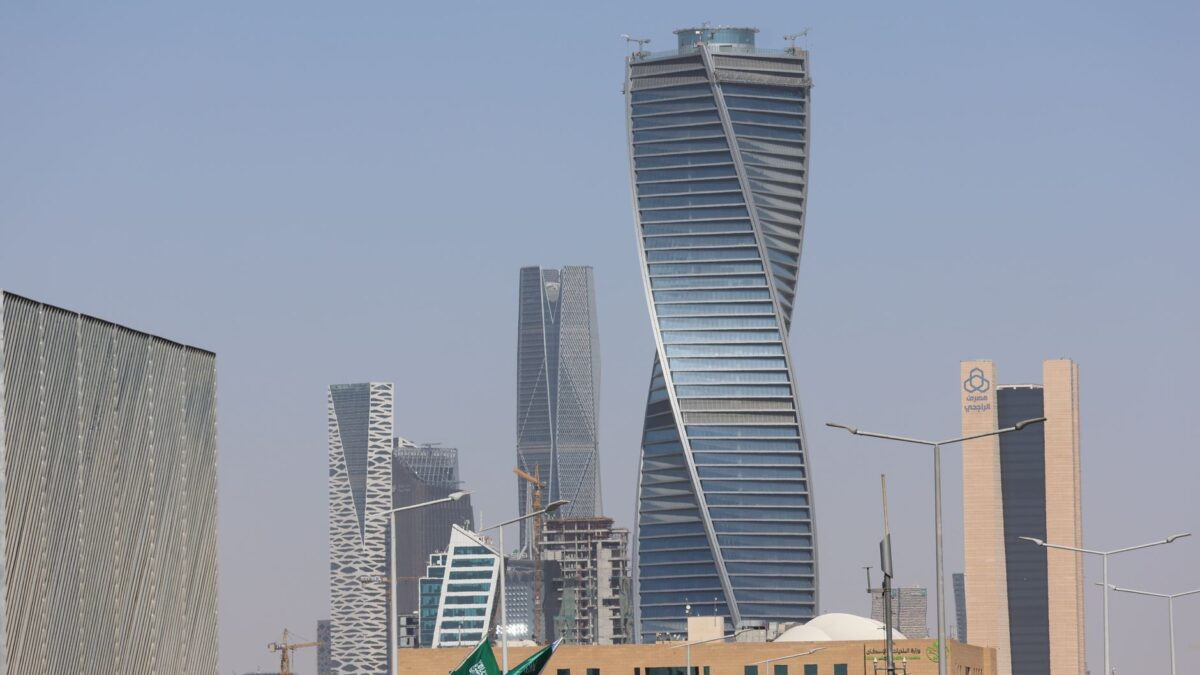
The heat in Riyadh doesn’t just sit on you; it demands your attention. It is late September, and the city is caught in that breathless lull between the end of summer and the explosion of autumn energy. The schools are back in session, the National Day military air shows have finished their roaring passes over the International Convention and Exhibition Center in Malham, and traffic is still navigating the new diversions on Al Thumama Road. But if you look past the dust and the construction cranes dotting the skyline, you will see a city that is buzzing with anticipation. Riyadh Season 2026 is just weeks away, set to open on October 21 under the slogan ‘Big Time,’ and the entire metropolis is tightening its seams for what promises to be a massive cultural shift.
When to Visit: Beating the Heat and the Crowds
If you are planning your first trip, timing is everything. Late September, like right now, is arguably one of the best windows. The temperature hovers around 29–40°C, which is warm but manageable compared to the blistering 50°C+ days of July. You get clear skies, long daylight hours from sunrise at 05:44 until sunset at 17:41, and evenings that finally allow for outdoor dining without discomfort. This is also the perfect lead-up time. By October, the city transforms with concerts, UFC cards, and the return of beloved zones like Boulevard World.
Avoid mid-summer if you can. The heat is not just uncomfortable; it is dangerous for those unacclimatized to extreme dryness. Conversely, if you visit during major trade expos—like the recent Money20/20 Middle East or the Hotel & Hospitality Expo—be prepared for inflated hotel rates and congested venues around RICEC and Riyadh Front. For a balance of good weather and manageable crowds, aim for November through March.
Getting Around: Metro, Taxis, and Traffic Realities
Riyadh is vast, and while driving is common, relying on public transport is becoming increasingly viable thanks to the Royal Commission for Riyadh City’s Darb system. The Riyadh Metro, with six lines and roughly 85 stations, is the backbone of modern transit. If you are staying near the central business spine of Al Olaya along King Fahd Road, you are in luck. The Olaya station connects you directly to Tahlia Street’s dining scene and major malls like Al Faisaliah.
You can buy a physical Darb card for about SAR 10 (valid for five years) or use the app for QR e-tickets. Standard fares start at SAR 4 for a two-hour pass, scaling up to SAR 140 for a monthly ticket. First Class options are available for those who prefer extra space, running around SAR 10 per ride. Contactless bank cards and Apple Pay are accepted at gates, making it seamless. However, be aware that traffic enforcement is strict, with point cameras everywhere. Recent infrastructure projects, such as the bridge-and-tunnel work on Al Thumama Road affecting the King Khalid airport route, mean delays are frequent. Always check local traffic updates before heading out.
Where to Stay: Neighborhoods That Define Your Experience
Your choice of district will dictate your daily rhythm. For the quintessential urban experience, stay in Al Olaya. It is the commercial heart, home to the only area where a near car-free lifestyle works due to the Metro access. Here, you can walk from your hotel to dinner at places like Meez The House Hittin or grab coffee at Atmosphere Specialty Coffee.
If you prefer a quieter, more international vibe, the Diplomatic Quarter (DQ) offers green spaces, security, and a compound-style community feel popular with expats. For upscale residential tranquility, consider Hittin or Al Malqa. These areas feature leafy streets, proximity to international schools, and some of the city’s newest apartment stock. Al Narjis remains the benchmark for families, dense with private hospitals and retail. For history buffs, staying near Diriyah puts you minutes away from At-Turaif, the UNESCO-listed mud-brick birthplace of the First Saudi State.
Money, Visas, and Daily Essentials
The currency is the Saudi Riyal (SAR). As of late 2024, the exchange rate has been stable at approximately 3.75 SAR to 1 US Dollar. Inflation is low, hovering around 2.1%, and there is no personal income tax on salaries, which makes budgeting straightforward. Most Western, Asian, and some African nationals can obtain a tourist eVisa via visa.visitsaudi.com. This single visa costs roughly SAR 535 (including mandatory health insurance) and allows multiple entries over one year, with stays up to 90 days. If you hold a valid US, UK, or Schengen visa, you can secure an instant visa upon arrival.
For daily payments, cash is less king than digital. Activate Mada (the domestic debit network) and ensure your mobile banking is ready. Banks like Al Rajhi, SNB, and Riyad Bank are ubiquitous. You will need a locally registered phone number and, for residents, an Iqama (residence permit) to open accounts. SIM cards from STC, Mobily, or Zain are easy to get at the airport, but remember: registration is tied to your ID. Do not leave the counter without your SIM activated and linked to your passport.
First-Timer Tips: What We Wish We Knew
Embrace the Evening: Life here shifts after sunset. The afternoon heat forces a pause, so plan museums, shopping, or meetings for the morning. Save your socializing, dining, and exploration for the evening. A sunset view from the Kingdom Centre’s Sky Bridge, 300 meters above the city, is non-negotiable.
Respect the Culture, Not Just the Rules: Public conduct is conservative. Dress modestly, though Riyadh is more relaxed than rural areas. Women are not required to wear abayas in public spaces, but covering shoulders and knees is respectful. Men should avoid shorts in formal settings. The police (999) and ambulance (997) numbers are vital for emergencies, but crime is low; your main concerns are heatstroke and traffic tickets.
Explore Beyond the Mall: Yes, Via Riyadh is stunning, but do not miss Souq Al Zal on Thumairi Street. Here, you can find copper wares, Bedouin jewelry, and live auctions in a historic setting near the Al Masmak Fortress. The fortress itself, with King Abdulaziz’s spearhead still lodged in its wooden gate, anchors the story of the 1902 recapture of Riyadh. Nearby, the National Museum offers eight chronological halls of history, free to enter.
Nature is Your Escape: When the city feels too concrete, head to Wadi Hanifah. It stretches 47 kilometers with trails and parks offering a cool breeze. For a true desert experience, take a trip to the red dunes of Al Thumamah for camel rides or visit the camel market on the city’s fringe—a spectacle of traditional trade that reminds you why this land was always about movement and commerce.
Riyadh is a city of contrasts, where ancient Najdi architecture stands beside futuristic skyscrapers. It is fast, ambitious, and deeply rooted. Come for the heat, stay for the hospitality, and leave with a deeper understanding of Arabia’s beating heart.
Frequently asked questions
How much does a Saudi tourist visa cost?
Most eligible travelers can obtain a tourist eVisa for approximately SAR 535, which includes mandatory health insurance. This visa allows multiple entries over one year with stays up to 90 days.
Is the Riyadh Metro safe and easy to use for tourists?
Yes, the Riyadh Metro is clean, safe, and efficient. Tourists can purchase a Darb card for around SAR 10 or use the app for QR tickets. Fares start at SAR 4 for a 2-hour pass, and contactless payment is widely accepted.
What is the best time of year to visit Riyadh?
Late September to March offers the most comfortable weather. Avoid July and August when temperatures can exceed 45°C. October is ideal if you want to catch the start of Riyadh Season entertainment.
Do I need cash in Riyadh, or is card payment standard?
Card and digital payments are dominant. Ensure you have a local SIM for banking apps and activate Mada for local debit transactions. Cash is rarely needed except in small souqs or for tips.
What are the must-see historical sites in Riyadh?
Key sites include Al Masmak Fortress, the National Museum of Saudi Arabia, and Diriyah’s At-Turaif UNESCO site. Souq Al Zal also offers a glimpse into traditional crafts and history.
Things to do in Saudi Arabia
 Guided Tour in Jeddah by local woman
 Edge of The World Riyadh Transfer in an Air-conditioned Car
 AlUla City Tour–5 Attractions with Pickup& Drop Off-Hotel/Airport
 Walking Tour: Al Masmak Fortress, Souq Al Zal, and Saudi coffee
 Riyadh Desert Safari Dune Bashing, ATV, camel ride, and Sandboard
 Dubai Desert Safari: with Camel Ride, live entertainment and bbq