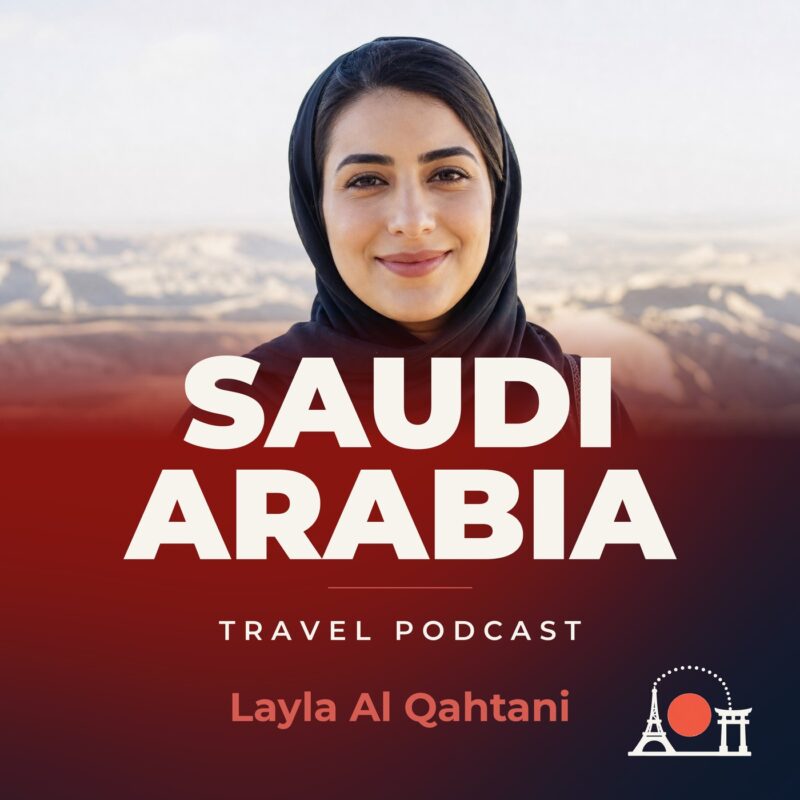
Saudi Arabia Travel Podcast with Layla Al Qahtani
Hosted by Layla Al Qahtani — a new episode every day from Saudi Arabia.
This podcast follows a resident’s slow route through Saudi Arabia, where the terrain is mostly sandy desert and the climate is harsh, dry and extreme. Travel here means crossing a country without rivers, between the Persian Gulf and Red Sea, and learning how settlement has shifted since oil was discovered in the 1930s.
The host moves between Riyadh, Jeddah, Ad Dammam and the oasis city of Hufuf-Mubarraz. These are not just stops: Riyadh is the capital, Jeddah faces the Red Sea, Ad Dammam sits on the Persian Gulf, and Hufuf-Mubarraz is an interior oasis in the eastern desert.
The show unfolds across seasons, with returns to the same streets and coastlines as temperatures shift from extreme heat to cooler winter days. There is no rush to cover everything. Instead, knowledge builds slowly: a market known in summer, a road understood after rain, a city learned through repeated visits.
Recent episodes
Things to do in Saudi Arabia
 Guided Tour in Jeddah by local woman
 Edge of The World Riyadh Transfer in an Air-conditioned Car
 AlUla City Tour–5 Attractions with Pickup& Drop Off-Hotel/Airport
 Walking Tour: Al Masmak Fortress, Souq Al Zal, and Saudi coffee
 Riyadh Desert Safari Dune Bashing, ATV, camel ride, and Sandboard
 Dubai Desert Safari: with Camel Ride, live entertainment and bbq
 Perfect Umrah Guide
 AlUla Cultural Experience
Plan your trip to Saudi Arabia
Getting around
Staying connected
Saudi Arabia at a glance
Saudi Arabia in depth
Reference data on the country — geography, people, history, economy and transport.
Geography and climate
Location
Middle East, bordering the Persian Gulf and the Red Sea, north of Yemen
Terrain
Mostly sandy desert
Climate
Harsh, dry desert with great temperature extremes
Elevation
- Highest point
- As Sarawat range, 3,000 m
- Lowest point
- Persian Gulf 0 m
- Mean elevation
- 665 m
Area
- Total
- 2,149,690 sq km
- Land
- 2,149,690 sq km
- Water
- 0 sq km
Size comparison
Slightly more than one-fifth the size of the US
Coastline
2,640 km
Land borders
- Total
- 4,272 km
- Border countries
- Iraq 811 km; Jordan 731 km; Kuwait 221 km; Oman 658 km; Qatar 87 km; UAE 457 km; Yemen 1,307 km
Natural resources
Petroleum, natural gas, iron ore, gold, copper
Land use
- Agricultural land
- 80.8% (2023 est.)
- Arable land
- 1.6% (2023 est.)
- Permanent crops
- 0.1% (2023 est.)
- Permanent pasture
- 79.1% (2023 est.)
- Forest
- 1.3% (2023 est.)
- Other
- 17.9% (2023 est.)
Natural hazards
Frequent sand and dust storms
Volcanism: little activity in the past few centuries, despite many volcanic formations; volcanoes include Harrat Rahat, Harrat Khaybar, Harrat Lunayyir, and Jabal Yar
Note
Saudi Arabia is the largest country in the world without a river; extensive coastlines on the Persian Gulf and Red Sea allow for considerable shipping (especially of crude oil) through the Persian Gulf and Suez Canal
People and society
Population
- Total
- 36,544,431 (2024 est.)
- Male
- 20,700,838
- Female
- 15,843,593
Nationality
- Noun
- Saudi(s)
- Adjective
- Saudi or Saudi Arabian
Ethnic groups
Arab 90%, Afro-Asian 10%
Languages
- Languages
- Arabic (official)
- Major-language sample(s)
- كتاب حقائق العالم، المصدر الذي لا يمكن الاستغناء عنه للمعلومات الأساسية (Arabic)
Religions
Muslim (official; citizens are 85-90% Sunni and 10-12% Shia), other (includes Eastern Orthodox, Protestant, Roman Catholic, Jewish, Hindu, Buddhist, and Sikh) (2020 est.)
Median age
- Total
- 32.8 years (2025 est.)
- Male
- 34.6 years
- Female
- 29.3 years
Life expectancy
- Total population
- 77.2 years (2024 est.)
- Male
- 75.6 years
- Female
- 78.8 years
Urbanisation
- Urban population
- 85% of total population (2023)
- Rate of urbanization
- 1.69% annual rate of change (2020-25 est.)
Where people live
Historically a population that was mostly nomadic or semi-nomadic, the Saudi population has become more settled since oil was discovered in the 1930s; most of the country's population is now concentrated in a wide area across the middle of the peninsula, from Ad Dammam in the east through Riyadh in the interior to Mecca-Medina in the west near the Red Sea
Largest cities
7.682 million RIYADH (capital), 4.863 million Jeddah, 2.150 million Mecca, 1.573 million Medina, 1.329 million Ad Dammam, 872,000 million Hufuf-Mubarraz (2023)
Background and government
Background
Saudi Arabia is the birthplace of Islam and home to Islam's two holiest shrines in Mecca and Medina. The king's official title is the Custodian of the Two Holy Mosques. ABD AL-AZIZ bin Abd al-Rahman AL SAUD (Ibn Saud) founded the modern Saudi state in 1932 after a 30-year campaign to unify most of the Arabian Peninsula. One of his male descendants rules the country today, as required by the country's 1992 Basic Law. After Iraq invaded Kuwait in 1990, Saudi Arabia took in the Kuwaiti royal family and 400,000 refugees, while allowing Western and Arab troops to deploy on its soil and liberate Kuwait the following year. Major terrorist attacks in 2003 spurred a strong ongoing campaign against domestic terrorism and extremism. US troops returned to the Kingdom in 2019 after attacks on Saudi oil infrastructure.
From 2005 to 2015, King ABDALLAH bin Abd al-Aziz Al Saud incrementally modernized the Kingdom through a series of social and economic initiatives that included expanding employment and social opportunities for women, attracting foreign investment, increasing the private sector's role in the economy, and discouraging the hiring of foreign workers. Saudi Arabia saw some protests during the 2011 Arab Spring but not the level of bloodshed seen in protests elsewhere in the region; Riyadh took a cautious but firm approach, arresting and quickly releasing some protesters and using its state-sponsored clerics to counter political and Islamist activism. The government held its first-ever elections in 2005 and 2011, when Saudis voted for municipal councilors. King ABDALLAH's reforms accelerated under King SALMAN bin Abd al-Aziz, who ascended to the throne in 2015 and lifted the Kingdom's ban on women driving, implemented education reforms, funded green initiatives, and allowed cinemas to operate for the first time in decades. In 2015, women were allowed to vote and stand as candidates for the first time in municipal elections, with 19 women winning seats. King SALMAN initially named his nephew, MUHAMMAD BIN NAYIF bin Abd al-Aziz Al Saud, as the Crown Prince, but a palace coup in 2017 resulted in King SALMAN's son, Deputy Crown Prince MUHAMMAD BIN SALMAN bin Abd al-Aziz Al Saud, taking over as Crown Prince. King SALMAN appointed MUHAMMAD BIN SALMAN as prime minister in 2022.
In 2015, Saudi Arabia led a coalition of 10 countries in a military campaign to restore Yemen's legitimate government, which had been ousted by Houthi forces. The war in Yemen has drawn international criticism for civilian casualties and its effect on the country’s dire humanitarian situation. The same year, MUHAMMAD BIN SALMAN announced that Saudi Arabia would lead a multi-nation Islamic Coalition to fight terrorism, and in 2017, Saudi Arabia inaugurated the Global Center for Combatting Extremist Ideology (also known as "Etidal").
The country remains a leading producer of oil and natural gas and holds about 17% of the world's proven oil reserves as of 2020. The government continues to pursue economic reform and diversification -- particularly since Saudi Arabia's accession to the WTO in 2005 -- and promotes foreign investment in the Kingdom. In 2016, the Saudi Government announced broad socio-economic reforms known as Vision 2030. Low global oil prices in 2015 and 2016 significantly lowered Saudi Arabia’s governmental revenue, prompting cuts to subsidies on water, electricity, and gasoline; reduced government-employee compensation; and new land taxes. In coordination with OPEC and some key non-OPEC countries, Saudi Arabia agreed to cut oil output in 2017 to regulate supply and help boost global prices. In 2020, this agreement collapsed, and Saudi Arabia launched a price war by flooding the market with low-priced oil before returning to the negotiating table to agree to a major output cut that helped buoy prices.
Government
Absolute monarchy
Capital
Riyadh
Time zone
UTC+3 (8 hours ahead of Washington, DC, during Standard Time)
Local name
Al Mamlakah al Arabiyah as Suudiyah
Independence
23 September 1932 (unification of the kingdom)
National day
Saudi National Day (Unification of the Kingdom), 23 September (1932)
Economy and cost of living
Overview
High-income, oil-based Middle Eastern economy; OPEC founding member; Vision 2030 strategy prioritizing economic diversification, increased private sector involvement, and projects funded by sovereign wealth fund and foreign investment; young labor force; falling but significant poverty rate despite lack of official statistics
GDP per capita
- Real GDP per capita 2024
- $62,700 (2024 est.)
- Real GDP per capita 2023
- $64,500 (2023 est.)
- Real GDP per capita 2022
- $67,200 (2022 est.)
Inflation
- Inflation rate (consumer prices) 2024
- 1.7% (2024 est.)
- Inflation rate (consumer prices) 2023
- 2.3% (2023 est.)
- Inflation rate (consumer prices) 2022
- 2.5% (2022 est.)
Unemployment
- Unemployment rate 2024
- 3.9% (2024 est.)
- Unemployment rate 2023
- 4.1% (2023 est.)
- Unemployment rate 2022
- 5.6% (2022 est.)
Exchange rate
- Currency
- Saudi riyals (SAR) per US dollar -
- Exchange rates 2024
- 3.75 (2024 est.)
- Exchange rates 2023
- 3.75 (2023 est.)
- Exchange rates 2022
- 3.75 (2022 est.)
- Exchange rates 2021
- 3.75 (2021 est.)
- Exchange rates 2020
- 3.75 (2020 est.)
Main industries
Crude oil production, petroleum refining, basic petrochemicals, ammonia, industrial gases, sodium hydroxide (caustic soda), cement, fertilizer, plastics, metals, commercial ship repair, commercial aircraft repair, construction
Agriculture
Milk, dates, chicken, wheat, tomatoes, watermelons, potatoes, olives, eggs, onions (2023)
Transport and connectivity
Airports
90 (2025)
Railways
- Total
- 5,410 km (2016)
- Standard gauge
- 5,410 km (2016) 1.435-m gauge (with branch lines and sidings)
Ports
- Total ports
- 16 (2024)
- Large
- 0
- Medium
- 1
- Small
- 7
- Very small
- 8
- Ports with oil terminals
- 10
- Key ports
- Dammam, Duba, Jiddah, Jizan, Ju Aymah Oil Terminal, Ras Tannurah, Ras Al Khafji, Ras Al Mishab
Internet domain
.sa
Internet users
Percent of population 100% (2023 est.)
Mobile subscriptions
- Total subscriptions
- 52.5 million (2023 est.)
- Subscriptions per 100 inhabitants
- 132 (2022 est.)
Environment
Environmental issues
Desertification; depletion of underground water resources; limited freshwater resources; coastal pollution from oil spills; air pollution; waste management
Fresh water
2.4 billion cubic meters (2022 est.)
UNESCO Global Geoparks
- Total global geoparks and regional networks
- 2 (2025)
- Global geoparks and regional networks
- North Riyadh; Salma (2025)
Country reference figures are periodically revised. Check anything time-sensitive or safety-critical against an official source before you travel.
Saudi Arabia travel guides
 News & Updates
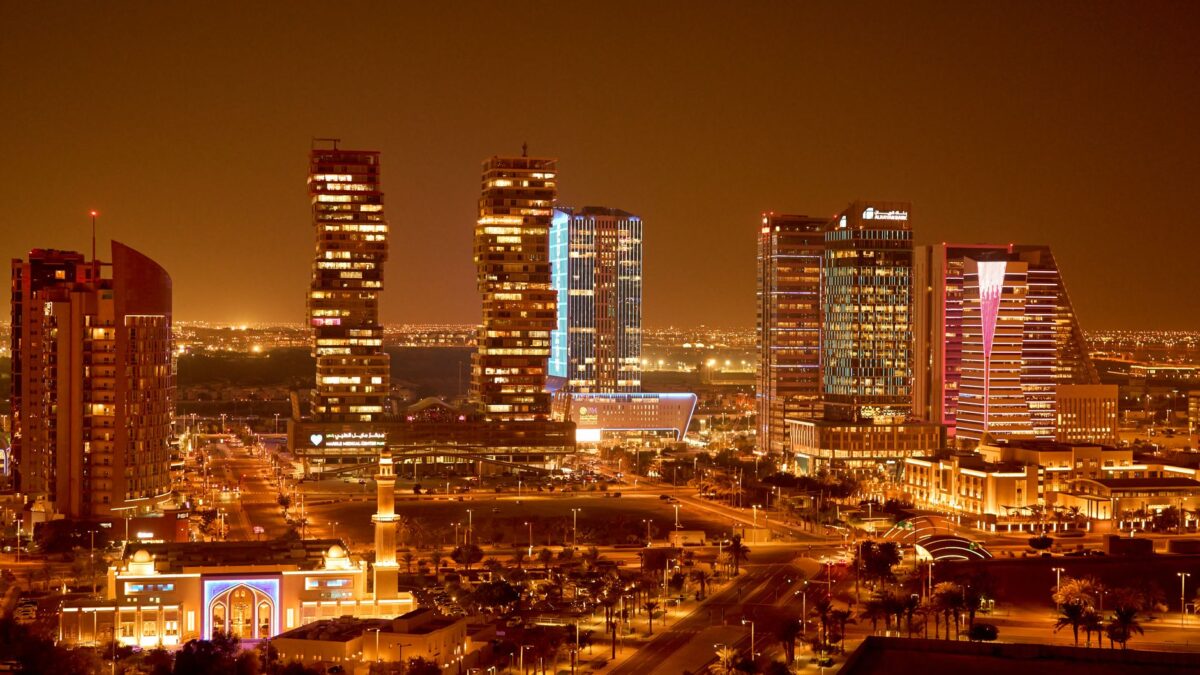
Saudi Arabia in September 2026: what travelers should know now
Saudi Arabia travel update for September 2026: weather, Al-Rabwa Dates Season, LEAP aftermath, and metro tips.
 News & Updates
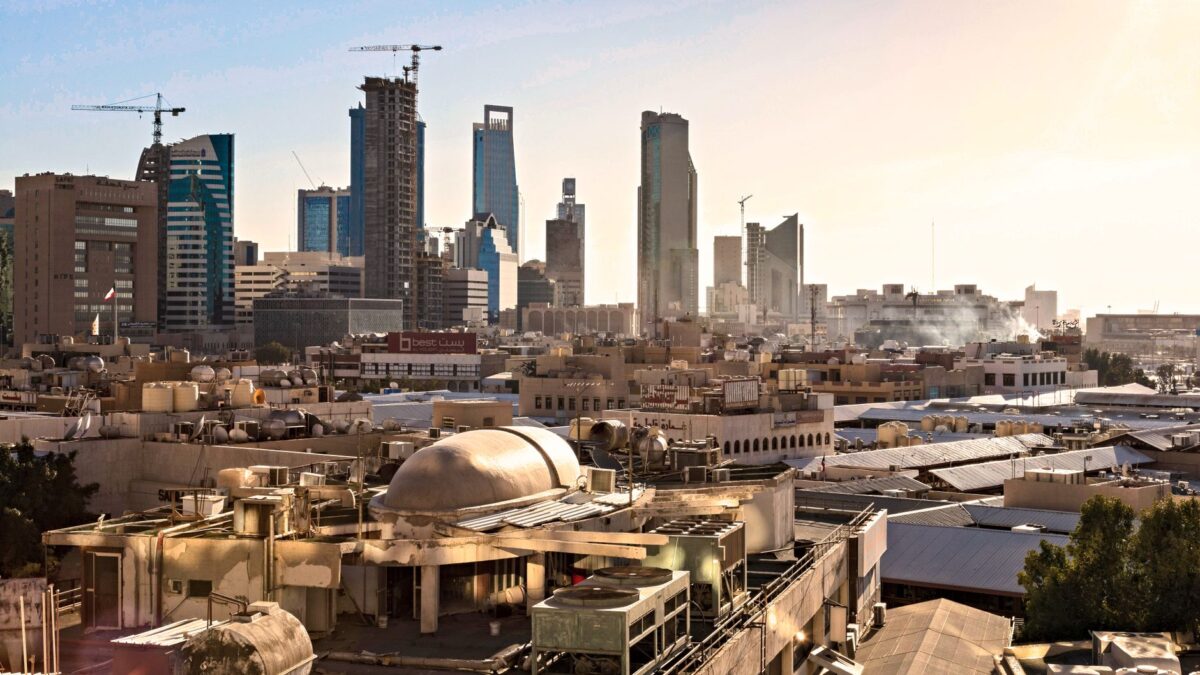
Saudi Arabia in August 2026: what travelers should know now
Saudi Arabia in August 2026: heat, quiet crowds, and how to make the most of Riyadh's off-peak season — from Masmak to Diriyah, with…
 Costs & Money
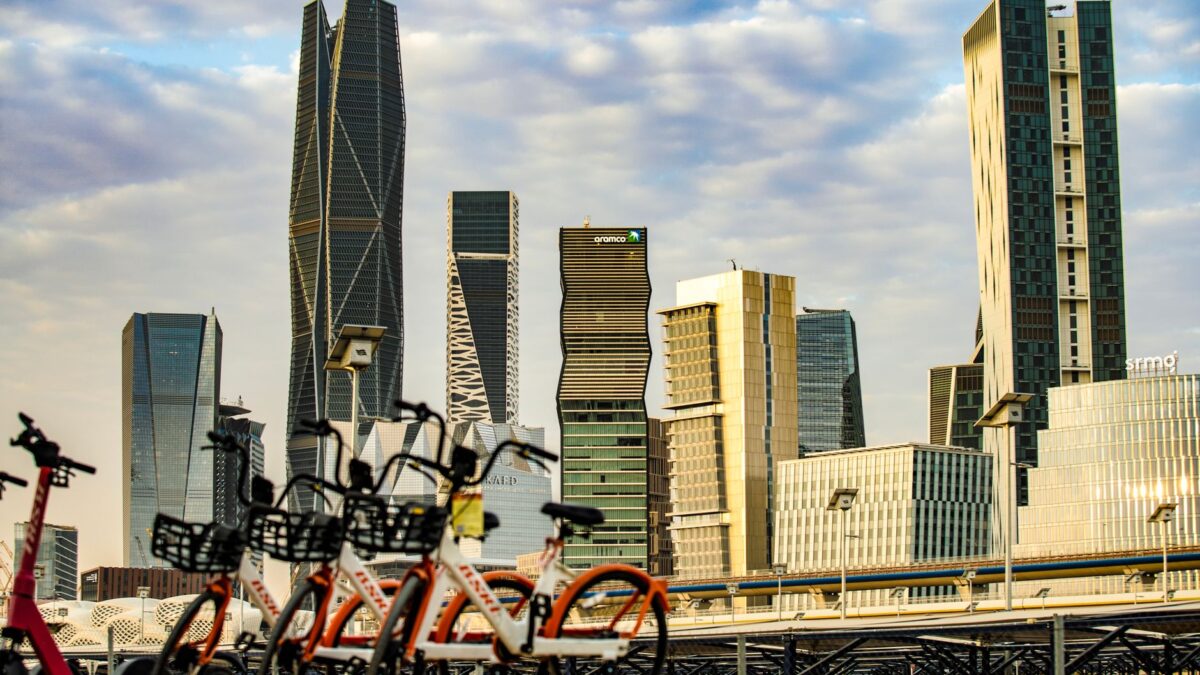
How much does a trip to Saudi Arabia cost?
Real budget breakdown for Riyadh, Saudi Arabia: accommodation, food, transport, attractions in SAR with daily totals for budget, mid-range, and comfortable travel.
 Living Abroad
Moving to Saudi Arabia: visas, banking and SIM cards
Practical first-week guide to moving to Saudi Arabia: eVisa and Iqama setup, opening a bank account with Al Rajhi/Alinma, getting an STC SIM, and…
Western Asia
 Turkey
Turkey Travel Podcast with Emre Yilmaz
The Anatolian plateau, with its harsh interior climate, sits at the heart of a country whose largest city clusters around the Bosporus.
 United Arab Emirates
United Arab Emirates Travel Podcast with Omar Al Mansouri
The eastern Hajar Mountains rise sharply from the flat coastal plain, while the massive sand dunes of the Empty Quarter stretch beyond…
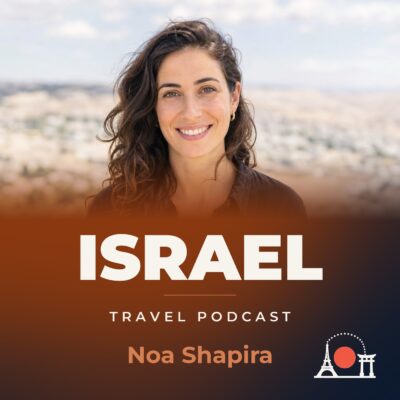 Israel
Israel Travel Podcast with Noa Shapira
The Negev desert, hot and dry in the south, gives way to a low coastal plain and central mountains; Hebrew and Arabic…
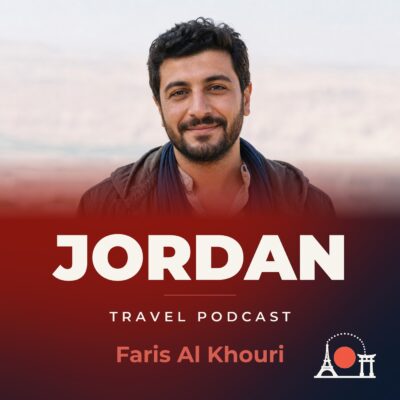 Jordan
Jordan Travel Podcast with Faris Al Khouri
The Jordanian Highlands, a north-south spine west of the capital, channel winter rains towards the Dead Sea and the Jordan Valley.