

A first-timer’s guide to Taiwan
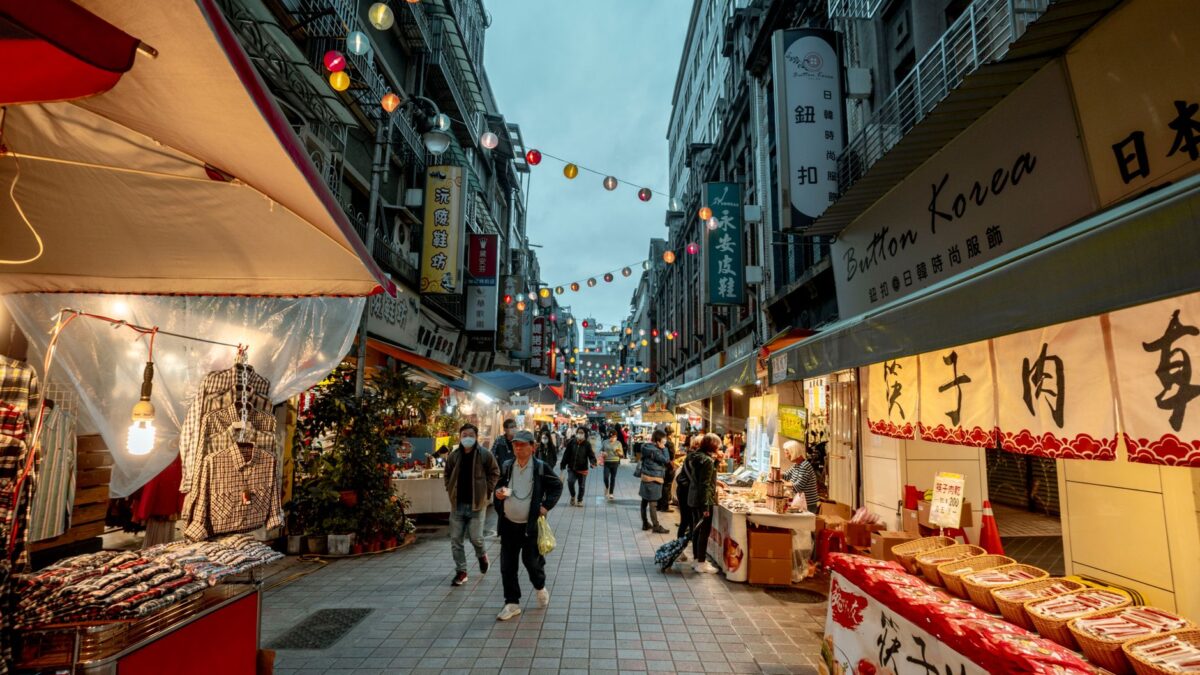
It’s late September in Taipei, and the air is thick enough to chew. You step off the plane at Taoyuan Airport, and the humidity hits you like a warm, wet towel—around 34°C, feeling closer to 39°C. There’s a light drizzle tapping against the terminal glass, and for a moment, you might wonder if you’ve stepped into a steamer basket. But then you catch the scent of roasted peanuts from a street vendor nearby, see the sleek blue MRT trains gliding silently below, and realize this sticky, vibrant chaos is exactly what makes Taiwan so addictive. This isn’t just a stopover; it’s a place where ancient Confucian rites blend with neon-lit night markets, and where the pace of life slows down just enough for you to breathe.
The When and How Long
Taiwan’s weather is forgiving but dramatic. Late September, as you arrive, sits at the tail end of the typhoon season. Expect sudden heavy showers that roll through quickly, followed by evening breezes that finally feel autumnal. It’s also the time when local markets fill up with pomelo and the earliest hairy crabs of the year—a delicacy you simply must try. Spring (March to May) and autumn (October to November) are generally considered the sweet spots for mild temperatures and clear skies, though summer brings intense heat and rain, while winter is surprisingly chilly and damp in the north.
For duration, five to seven days is the ideal window. This gives you enough time to soak up Taipei’s layered history without rushing. If you’re coming for the first time, don’t treat Taiwan as a checklist. Instead, build in buffer days. The culture here thrives on spontaneity—the best meals often happen in alleyways you didn’t know existed, and the most memorable conversations happen over bubble tea. If you have two weeks, consider splitting your time between the urban energy of Taipei and the natural beauty of the east coast or southern mountains, but for a first trip, let Taipei be your anchor.
Getting Around: The MRT and Your Feet
Navigating Taipei is effortless, largely because the city runs on the Metro Rail Transit (MRT). It’s clean, efficient, air-conditioned, and covers almost every major attraction. A single short-distance trip costs about NT$20 (roughly $0.6), which is incredibly affordable. For visitors, the easiest way to pay is by tapping a contactless credit card directly at the gate, or by purchasing an EasyCard, a stored-value smart card that works on the MRT, buses, and even for shared YouBike bicycles. If you plan to use public transport daily, consider the TPASS monthly pass for greater Taipei, which offers unlimited travel for around NT$1,200 (about $35) for 30 days.
Beyond the MRT, walking is essential. Taipei is designed for pedestrians in its core districts. You’ll find yourself wandering through leafy lanes in Da’an District, exploring the historic architecture near Beimen, or getting lost in the pedestrianized streets of Ximending. Just be mindful of scooters; they weave through traffic with surprising agility, so always watch both ways before crossing. For longer trips, the Taoyuan Airport MRT links Taipei Main Station to the airport in about 36 minutes, making arrivals and departures seamless.
Money, Food, and Daily Costs
Taiwan uses the New Taiwan Dollar (TWD). While credit cards are widely accepted in malls and hotels, cash is king in night markets and small shops. ATMs are ubiquitous, and exchange rates are generally favorable. Inflation has been modest, hovering around 2.2%, so your money goes further than you might expect in many Western cities.
Food is the heart of the Taiwanese experience. You can eat well on almost any budget. A simple boxed bento (便當) with rice, meat, and sides costs about NT$100–150 ($4). For a mid-range sit-down meal, expect to spend NT$300–600 ($14) per person. If you’re craving the iconic beef noodle soup (牛肉麵), a local shop will serve a hearty bowl for NT$150–240 ($6). Don’t leave without trying lu rou fan (braised pork rice); a large bowl at a popular spot is roughly NT$35–60 ($1.5). At Raohe Night Market, the famous pepper pork bun (胡椒餅) runs NT$50–60 ($1.7).
A typical night out at Shilin or Raohe Night Market, grabbing a few snacks and a drink, will cost around NT$150–300 ($7). These prices reflect the incredible value you’ll find here. However, note that while food and transit are cheap, rents are climbing. A modest one-bedroom flat in outer districts averages NT$20,500 ($640) per month, while studios in the trendy Xinyi district can reach NT$31,000. For travelers, this means dining out is not just convenient—it’s a financial joy.
Where to Stay and What to Know
Your choice of neighborhood sets the tone for your trip. Da’an District is perhaps the most liveable, offering a leafy, student-friendly vibe near National Taiwan University, with Yongkang Street’s legendary food scene and dense clusters of third-wave coffee shops. If you prefer modern luxury and nightlife, Xinyi District is home to Taipei 101, high-end malls like ATT 4 FUN, and rooftop bars. For a mix of colonial history and expat community, Zhongshan District offers tree-lined streets and great access to the airport MRT. Ximending in Wanhua District is the ‘Harajuku of Taiwan,’ perfect for youth culture and street performers, while Songshan hosts the famous Raohe Night Market and cultural parks.
Practically, ensure your passport is valid for six months beyond your stay. Many nationalities, including Americans and Brits, enjoy 90-day visa-free entry. You must file a free ‘Online Arrival Card’ within 72 hours before arrival. Safety is rarely a concern; Taipei is consistently ranked as one of the world’s safest big cities. The main risks are scooter traffic and occasional tourist scams, not violent crime. Keep your wits about you, respect local customs—like removing shoes when entering homes or temples—and you’ll find warmth everywhere you go.
First-Timer’s Essentials: Beyond the Guidebook
Here are a few things I wish I’d known earlier. First, embrace the temple culture. Longshan Temple in Wanhua, built in 1738, is one of the oldest working temples in Taipei. Visit at night when the incense smoke swirls under the lanterns; it’s atmospheric and spiritually grounding. Second, don’t miss the National Palace Museum in Shilin. It houses nearly 700,000 pieces of imperial Chinese art, including the famous ‘jade cabbage’ and ‘meat-shaped stone.’ Remember, it’s closed on Mondays. Third, take the Maokong Gondola. With optional glass-floor cars, it offers stunning views of the tea plantations and a chance to taste locally grown oolong tea.
Also, keep an eye on local events. Cultural hubs like Huashan 1914 and Songshan Creative Parks host rotating exhibitions, indie cinemas, and craft markets. If you’re visiting in late September, you might catch the annual Shidian ceremony at the Dalongdong Confucius Temple, a breathtaking three-offering ancient rite with traditional music and dance. Finally, download a translation app. While English signs are common in tourist areas, venturing into local neighborhoods means relying on gestures and apps to navigate menus and ask for directions. Taiwan is a place that rewards curiosity, patience, and an open appetite. Come hungry, stay curious, and let the city surprise you.
Frequently asked questions
How much does a single MRT trip cost in Taipei?
A single short-distance MRT trip costs about NT$20 (approximately $0.6). You can pay using a contactless credit card or an EasyCard.
Do I need a visa to visit Taiwan for tourism?
Many nationalities, such as US and UK citizens, get 90-day visa-free entry. You must hold a passport valid for 6+ months and file a free Online Arrival Card within 72 hours before arrival.
What is a good budget for a night market meal?
A typical night-market meal with a few snacks and a drink at places like Shilin or Raohe costs around NT$150–300 (about $7).
Which district is best for food and cafes?
Da'an District is highly recommended for its leafy streets, Yongkang Street food scene, and dense cluster of third-wave coffee shops near NTU.
Is Taipei safe for solo travelers at night?
Yes, Taipei is consistently ranked as one of the world's safest big cities. Violent crime is rare, though you should remain aware of scooter traffic and minor tourist scams.
Things to do in Taiwan
 Best E-bike Cycling Tour in Taipei - Includes Local Food & Drinks
 Private Day Trip to Jiufen, Shifen and Yehliu Park
 Xiao Long Bao, Pork thick soup, Bubble milk tea. Taiwan Traditional Light Meals Experience-B (Taipei Cooking Class)
 Likely to sell out
Street Food Cooking Class in Taipei : Gua Bao/Lu Rou Fan/Boba Tea
Likely to sell out
Street Food Cooking Class in Taipei : Gua Bao/Lu Rou Fan/Boba Tea
 Taipei: Disappearing Flavors of Taiwan Food Tour with 12+ Tasters
 Taipei Tastes Food Tour with 12+ Tastings