

A week in Tbilisi on a mid-range budget
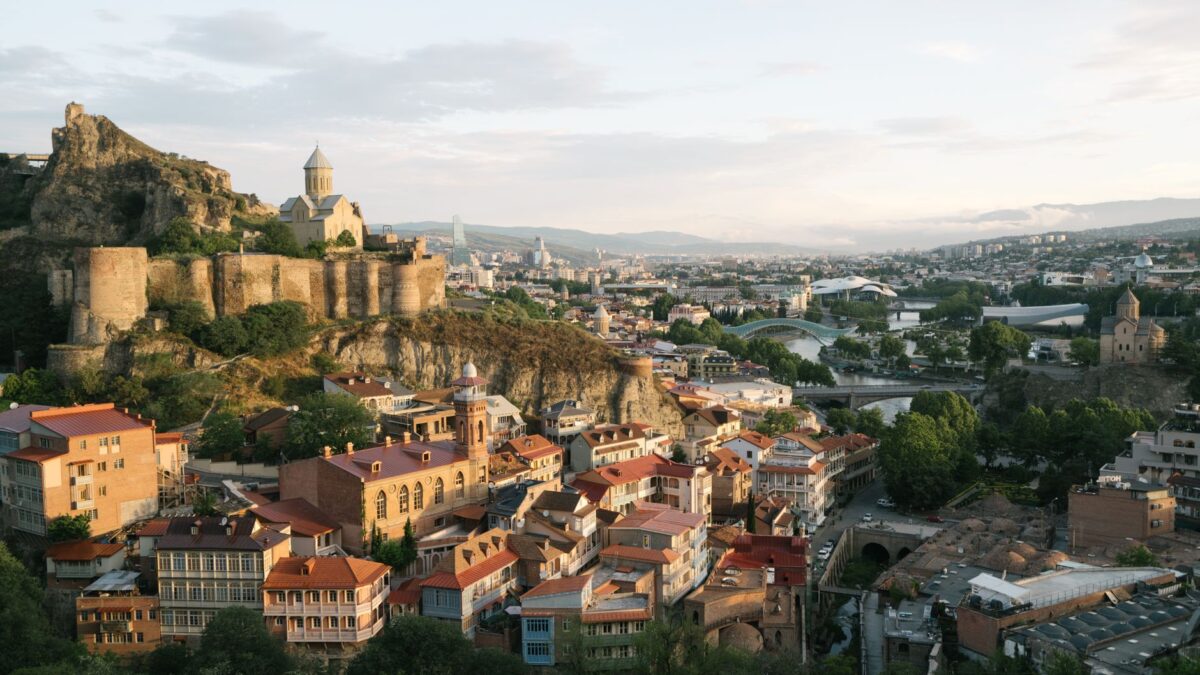
The air in Tbilisi this time of year is thick with the scent of roasting chestnuts and fermenting grapes. It is early October, the city’s golden hour, where the Mtkvari River reflects a sky that shifts from warm blue to cool violet by evening. If you are standing on the Bridge of Peace right now, you can feel the pulse of a capital that refuses to be expensive or exclusive. But even here, in one of Europe’s most affordable capitals, the gap between the tourist trap and the local reality is widening. As someone who has navigated these cobblestones for years, I want to show you how to live like a local for a week without draining your wallet.
Where to Sleep (and What it Costs)
Your budget starts with your bed. Tbilisi is divided into distinct personalities, and your choice of district dictates your nightly spend. For the classic experience, look at Kala, the Old Town tucked under Narikala Fortress. You will find yourself surrounded by sulfur-bath domes and carved wooden balconies. Here, boutique hotels like Alma Boutique Hotel offer charm, but prices have climbed. A modest room might set you back around 60–80 GEL per night.
If you want more space and a quieter vibe, head to Sololaki. This 19th-century Art Nouveau quarter behind Freedom Square is home to the Communal Hotel Sololaki. It is walkable, historic, and often slightly cheaper than the Old Town core. Alternatively, cross the river to Avlabari. Historically an Armenian quarter, it now hosts the colossal Holy Trinity Cathedral (Sameba) and offers the cheapest central rents. You can find guesthouses here for as low as 40–50 GEL a night, with panoramic views of the Old Town that cost nothing to enjoy.
For a monthly stay, a modest one-bedroom flat outside the centre costs around 1,200 GEL, while a central spot runs closer to 1,850 GEL. Note that rents have risen, so if you are staying long-term, negotiate. For a week? Stick to the guesthouses or boutique stays in Avlabari or Vera. The latter, with its natural-wine bars and design hotels like Stamba, is pricey but worth it for the nightlife.
Eating Like a Local: The Khinkali Strategy
Food in Tbilisi is not just fuel; it is ritual. And it is surprisingly cheap if you know where to look. Avoid the restaurants directly on Rustaveli Avenue, especially near the protest camps which draw crowds but also inflated prices. Instead, seek out the dukanis—the small, no-frills eateries.
A plate of five steamed meat dumplings, khinkali, costs about 5–10 GEL at a local shop. That is roughly $2 USD for a meal that would cost $15 in Paris. Add a loaf of bread (1–2 GEL) and a bottle of water, and you are feeding well for under 15 GEL. For lunch, grab an Imeretian khachapuri—the cheese-filled bread—from a bakery for about 5–8 GEL. If you want the famous Adjarian ‘boat’ version with egg and butter, expect to pay 9–18 GEL at a restaurant.
For dinner, a mid-range spread at a place like Ranina Georgian Restaurant or Satchashnike will run you 25–50 GEL per person. You will share dishes, drink house wine, and likely meet a tamada (toastmaster) who insists on a toast before every course. This is the heart of Georgian hospitality. Do not skip it. A cappuccino at a specialty coffee shop like Lui Coffee or CITYHIKERS costs around 7–9 GEL, so budget for that daily caffeine fix.
Moving Through the City Without Spending Much
Tbilisi is hilly, but its public transport is efficient and dirt-cheap. The key is the MetroMoney card. You buy it at any metro station for a 2 GEL refundable deposit. From there, every ride—metro, bus, or minibus—costs just 1 GEL. You get free transfers within 90 minutes. Even if you use a contactless foreign bank card, it is only about 1.5 GEL per ride. That is less than the price of a single grape.
The metro has two lines and runs from 6 am to midnight. If you need to go up to Mtatsminda Park, you take the funicular. This uses a separate ticket, usually around 1–2 GEL, but the view of the city sprawl is priceless. For short hops across the centre, Bolt is reliable. A 10-minute ride costs about 4–7 GEL. Base fares are around 2 GEL. Do not hail random taxis on the street; they will quote you double. Use the app.
Be aware that the Varketili metro terminus is still undergoing rehabilitation, with delays pushing completion to late 2026. If you are staying in that dormitory district, expect construction noise and partial access. Also, watch out for overcharging on pedestrianized Aghmashenebeli Avenue and around Station Square. Locals know to avoid these spots unless necessary.
Free Culture and Seasonal Events
October in Tbilisi is busy. The Tbilisoba festival takes over six central venues, including Rike Park and Metekhi Bridge. There are stages, open-air cinema, and food zones. While some areas are fenced off for traffic diversion, much of the celebration spills into the streets for free. Check the dates; it usually happens in early October.
For art lovers, the Fifth Tbilisi Architecture Biennial, themed ‘The Geography of Emptiness’, is running at the Open Space Centre until October 3rd. Exhibitions and talks are often low-cost or free. Walk through the Dry Bridge Market for Soviet-era bric-a-brac and old maps; browsing is free, buying is optional.
History is everywhere. Visit the Georgian National Museum on Rustaveli Avenue to see the Dmanisi hominid skulls—1.8 million years old, the oldest found outside Africa. Entry fees are modest, often around 5–10 GEL. Climb to Narikala Fortress for sunset. The cable car from Rike Park costs a few lari, but walking up from Abanotubani is free and steep. At the top, you stand beneath the ‘Mother of Georgia’ statue, overlooking the city that King Vakhtang Gorgasali founded on hot springs centuries ago.
Politics is in the air. The pro-EU protest camp outside Parliament on Rustaveli Avenue continues nightly. Expect noise, closed sidewalks, and police presence in the evenings. It is a vibrant, tense atmosphere that defines modern Tbilisi. Respect the demonstrations, keep your camera down, and do not block the path.
Practicalities: Money, SIMs, and Safety
You will need Georgian Lari (GEL). ATMs are plentiful. Major banks like TBC Bank and Bank of Georgia have excellent apps. Foreigners can open accounts with just a passport, no residence permit needed, though you will need a local phone number. Buy a prepaid SIM from MagtiCom or Silknet at the airport for 5–10 GEL. English-friendly staff are available.
Safety is high. Violent crime is rare. Central districts feel safe at all hours. Just watch your wallet in crowded markets like Dezerter Bazaar. Carry travel insurance; since January 2026, border control may ask to see it. Citizens of ~95 countries enter visa-free for 365 days. If you stay longer, register with the Ministry of Justice.
Finally, taste the season. Stalls are full of fresh churchkhela (candle-shaped snacks of nuts and grape juice) and tkemali plum sauce. The grape harvest (rtveli) is wrapping up. Buy a bottle of amber wine made in a qvevri clay amphora. It costs about 10–15 GEL in a shop, and tastes like history. Enjoy your week in Tbilisi. It is cheap, chaotic, and utterly unforgettable.
Frequently asked questions
How much does a meal cost in Tbilisi?
A simple lunch of khinkali or khachapuri at a local dukan costs 5–10 GEL. Dinner at a mid-range restaurant runs 25–50 GEL per person.
Is public transport cheap in Tbilisi?
Yes. A MetroMoney card costs 2 GEL to buy, and each ride is 1 GEL with free transfers within 90 minutes across metro and buses.
What are the best budget-friendly districts to stay in?
Avlabari offers the cheapest central rents and great views. Sololaki provides historic charm at moderate prices, while Kala (Old Town) is pricier but iconic.
Do I need a visa for Georgia in 2026?
Citizens of ~95 countries enter visa-free for 365 days. Since Jan 2026, you must carry travel/health insurance covering your stay.
Is it safe to walk around Tbilisi at night?
Tbilisi is generally safe with low violent crime. Central districts feel secure, but exercise normal awareness near protests on Rustaveli Avenue.


