

A first-timer’s guide to Rwanda
I remember the first time I stepped out of Kigali International Airport, expecting the chaos I had been warned about. Instead, I was met by streets so clean you could almost eat off them, and a skyline that felt like it was reaching for the future while keeping its feet firmly planted in the present. This is Rwanda: orderly, vibrant, and deeply resilient. If you are planning your first trip to this jewel of East Africa, here is what I wish someone had told me before I booked my ticket.
When to Visit and How Long to Stay
Rwanda’s climate is famously gentle, with Kigali hovering between 16–28°C year-round. However, timing matters. Early October, for instance, falls into the short rains (umuhindo). You will see incredibly green hills and fewer crowds, but expect humid afternoons and scattered showers. If you visit during peak conference seasons—like the Global Off-Grid Solar Forum in late October or the EAC MSME Trade Fair in November—central Kigali becomes noticeably busier, and hotel rates climb.
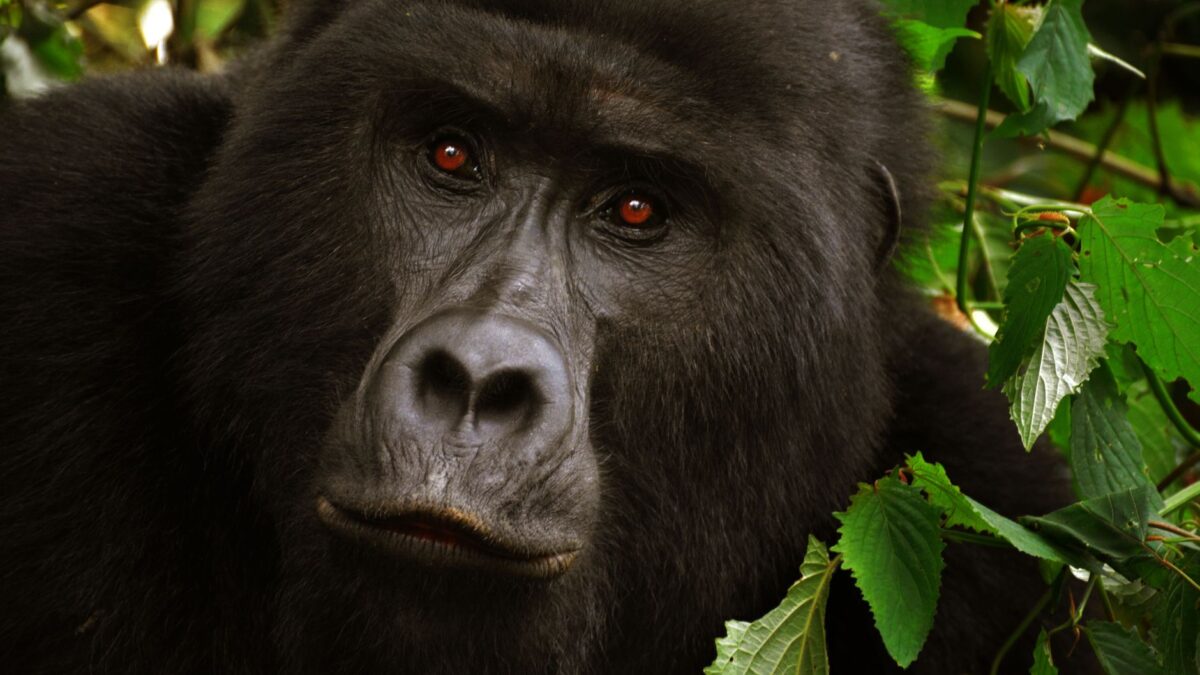
For a first-timer, I recommend staying at least five to seven days. Two days are essential for Kigali itself to absorb the city’s rhythm, but you cannot skip the national parks. A typical itinerary might look like this: spend two days exploring Kigali’s museums and neighborhoods, take one full day for Akagera National Park to see the Big Five, and dedicate another full day (plus travel) to Volcanoes National Park for gorilla trekking. The long drives are part of the adventure, so pace yourself.
Getting Around: The Rhythm of the Road
Kigali is compact, but traffic can build up quickly, especially near the Kigali Convention Centre (KCC). For getting around, you have three main options, each serving a different need.
- Moto-Taxis: These are the fastest way to navigate narrow streets. Download the Yego Moto or SafeMotos apps for fixed prices and safety verification. A short ride within the city costs around 1,000–2,000 RWF (approx. $1.1). Always wear the helmet; it is not just a rule, it is common sense.
- Buses: The Kigali Bus Services (KBS) are clean, air-conditioned, and cashless. You must buy a Tap&Go smart card from yellow-vested agents at terminals. A single ride is roughly 300–800 RWF (approx. $0.4). It is cheap, reliable, and a great way to watch daily life pass by.
- Taxis & Ride-Hailing: Uber operates in Kigali, as do local taxi firms. They are more expensive than motos but offer air conditioning and comfort for longer trips, such as heading to Kimironko Market or the airport.
Pro tip: On the last Saturday morning of every month, known as Umuganda, all non-essential transport stops. Everyone participates in community cleaning. Plan your movements accordingly.
The Money Trail: Costs and Currency
You will need Rwandan Francs (RWF). While cards are accepted in upscale hotels and restaurants, cash is king in markets and for moto rides. The exchange rate hovers around 1,318 RWF per US$.
Food in Rwanda is affordable if you know where to look. A hearty local lunch buffet—rice, beans, plantain, and meat—at a spot like Repub Lounge or a local canteen costs about 2,500–5,000 RWF (approx. $2.8). For a mid-range dinner for two at a place like La Creola or Kurry Kingdom, budget around 40,000 RWF (approx. $30), or 15,000–20,000 RWF per person for a casual meal.
Street food is an experience in itself. Grab goat brochettes (grilled skewers) for 800–1,500 RWF each, or a fresh chapati for just 200–300 RWF. Coffee lovers should visit ONECUP Coffee House or Inzora Rooftop Café; a cappuccino runs about 3,500 RWF (approx. $2.7).
Accommodation varies wildly. Budget hostels or guesthouses like Chill INN Kigali can be found for under 50,000 RWF per night. Mid-range hotels like Home Free Hotel or STAYKIGALI typically range from 80,000 to 150,000 RWF. Luxury stays near the KCC command higher premiums, especially during conference weeks.
Essential Districts and Must-See Sites
Kigali is divided into distinct neighborhoods, each with its own character. For your first visit, focus on these areas:
- Gisozi: Home to the Kigali Genocide Memorial. This is not optional; it is essential. Allow 2–3 hours. The permanent exhibition is sobering and beautifully curated. Entry is free, though a donation of 5,000 RWF is appreciated.
- Nyamirambo: Kigali’s oldest neighborhood. Take a walking tour with the Nyamirambo Women’s Center to see tailors, night markets, and enjoy brochettes from roadside stalls. It is the heart of local culture.
- Kimihurura & Kacyiru: The modern business district. Here you will find the Kigali Convention Centre, Kigali Heights mall, and many expat-friendly restaurants. The Inema Arts Center is here, offering free entry to contemporary Rwandan art and dance performances.
- Kiyovu: An upscale, leafy area with colonial architecture. Visit the Hotel des Mille Collines (the former “Hotel Rwanda”) and dine at Heaven Restaurant for panoramic views.
- Kimtironko: Head here for shopping. The Kimironko Market is sprawling and chaotic in the best way. Buy imigongo cow-dung paintings and agaseke woven baskets. Bargain with cash and go early.
Other cultural highlights include the Kandt House Museum in Kacyiru, Rwanda’s oldest house, and the Rwanda Art Museum (formerly the Presidential Palace) in Kanombe, which houses the wreckage of the plane shot down in April 1994.
Practical Essentials: Visa, Safety, and Connectivity
Visas: Most travelers receive a tourist visa on arrival at Kigali International Airport for approximately $50 USD for 30 days. You can also apply online via the Rwanda immigration portal. Ensure your passport is valid for at least six months.
Connectivity: Upon landing, buy an MTN or Airtel SIM card at the official kiosks. You will need your passport. Get Mobile Money (MoMo) activated immediately using *182# on MTN. This is how locals pay for everything—from rent to market vegetables. Having MoMo makes your life infinitely easier.
Safety: Kigali is consistently ranked as one of Africa’s safest capitals. Violent crime against tourists is rare. However, respect local laws: plastic bags were banned in 2008 and are strictly enforced at borders and in shops. Carry reusable bags. Also, do not photograph military installations, embassies, or government buildings.
Banking: If you plan to stay longer, open an account with Bank of Kigali (BK) or Equity Bank. BK has the widest ATM network. Bring your passport, proof of address, and photos. For short stays, ATMs are widely available in Kigali Heights, City Mall, and major supermarkets.
Rwanda is a country that respects order but embraces warmth. You will find punctuality in appointments, cleanliness in streets, and hospitality in every smile. Come prepared, stay curious, and let the land of a thousand hills change your perspective.
Frequently asked questions
How much does a gorilla permit cost in Rwanda?
A gorilla trekking permit in Volcanoes National Park costs around $1,500 USD. This fee supports conservation and local communities.
Is it safe to walk around Kigali at night?
Yes, Kigali is considered one of the safest cities in Africa. However, standard precautions apply, and you should use trusted moto services or taxis for late-night travel.
What is Umuganda and when does it happen?
Umuganda is a mandatory community service day held on the last Saturday morning of every month. During this time, public transport stops, and citizens participate in cleaning and development projects.
Do I need cash in Kigali or can I use cards?
While cards work in hotels and upscale restaurants, cash (RWF) and Mobile Money (MoMo) are essential for markets, street food, and moto rides. Always carry some small notes.
Where is the best place to buy traditional crafts in Kigali?
Kimironko Market is the largest hub for traditional crafts like imigongo paintings and agaseke baskets. Caplaki Craft Village near the Kigali Convention Centre is another excellent option.


