

What to eat in Uganda — and what it costs
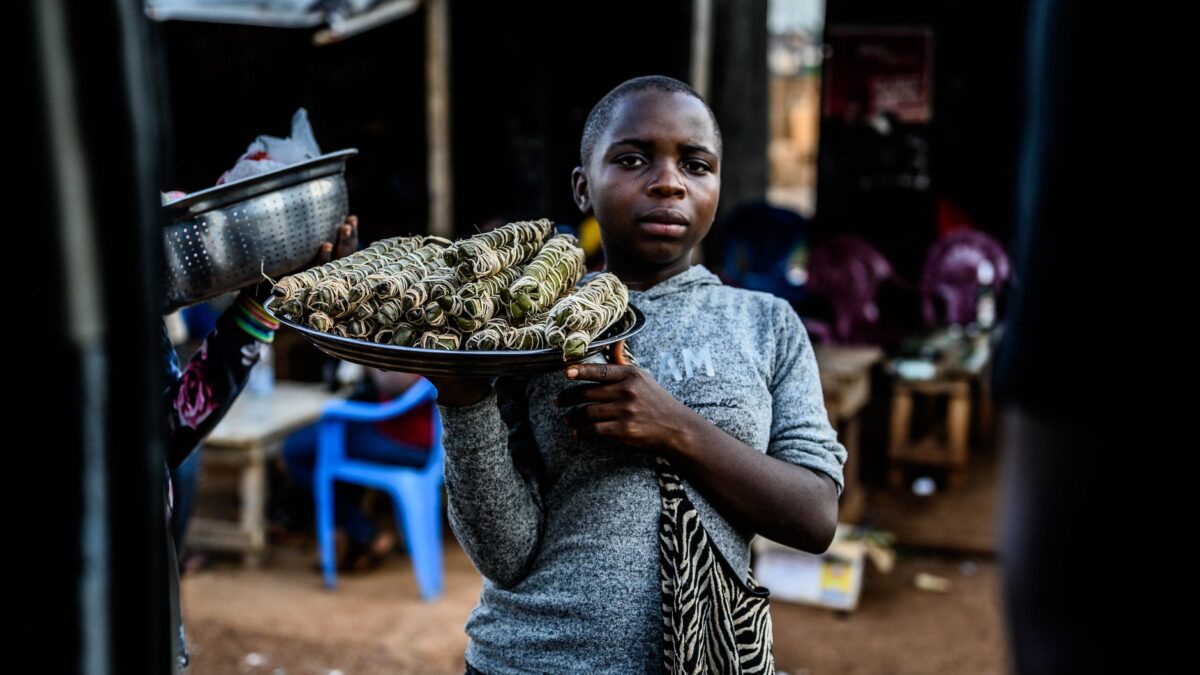
Kampala does not whisper; it shouts, honks, and feeds you. The air here is thick with the scent of roasting maize, diesel fumes, and the sweet, earthy aroma of matooke steaming in banana leaves. As a resident who has navigated these hills for years, I can tell you that eating in Uganda is less about fine dining and more about participation. It is loud, communal, and deeply satisfying. Whether you are dodging boda bodas on Yusuf Lule Road or waiting for a minibus in Kololo, your stomach will be treated well without emptying your wallet.
The Street Food Staples: Breakfast and Late-Night Snacks
If there is one dish that defines Kampala’s street culture, it is the Rolex. Despite the name, there is no chicken involved. It is a simple, brilliant invention: a chapati (flatbread) wrapped around scrambled eggs and vegetables, cooked right on a hot griddle at roadside stalls. You will find them everywhere, but the ones near Old Taxi Park are legendary. A Rolex costs between UGX 1,500 and UGX 2,000—roughly $0.50. At busier stalls, you might pay up to UGX 3,000. It is cheap, filling, and arguably the best breakfast you will have in East Africa.
For a sweeter start to the day, look for mandazi (African doughnuts). They are often sold alongside boiled cassava or corn in the morning rush. If you need caffeine, head to The Coffee Space UG or Kardamom & Koffee in Kololo. A cappuccino will set you back around UGX 10,000 ($2.70). This is standard for Kampala’s growing café scene, where the quality of roasted beans rivals much of Europe.
Lunch: Local Eateries and the ‘Special’ Plate
When midday hunger strikes, avoid the tourist traps. Instead, find a local restaurant—a place with plastic chairs, a menu written on a whiteboard, and the smell of frying oil. In these spots, a meal for an inexpensive local restaurant costs about UGX 10,000 ($2.70). This buys you a generous portion of matooke (steamed green bananas) mashed into a dough-like consistency, served with g-nut sauce (groundnut stew) or beef stew. You eat with your hands, using the matooke to scoop up the rich, savory sauce.
Another staple is Oli (or Oli), a peanut-based stew often served with rice or posho. For something lighter, try kale or dodo (fried plantains), which are ubiquitous sides. If you prefer Western options, Le Chateau in Kololo offers a reliable sit-down experience. A three-course meal for two at a mid-range restaurant runs about UGX 100,000 ($27). It is affordable by global standards but marks a step up from the street stall.
Dinner and Drinks: Where to Sit Down
Kampala’s dinner scene is vibrant, especially in the evening when the heat breaks. For a relaxed dinner with views, Golden Hill Restaurant & Lounge in Bugolobi is a favorite among expats and locals alike. The food is consistent, and the atmosphere is calm. If you want something more upscale, Cantine Divino in Kololo serves excellent Italian fare, fitting for the area’s diplomatic crowd.
You cannot talk about Ugandan food without mentioning beer. Local brews like Nile Special and White Star are cold, crisp, and cheap. A 0.5L bottle at a bar costs around UGX 5,000 ($1.30). Pair this with grilled chicken or fish, and you have a perfect Friday night. For a more adventurous drink, try waragi, a potent homemade gin. It is strong, clear, and traditionally drunk straight or mixed with sugar and lime.
If you are looking for live music while you eat, La Cabana Restaurant in Kabalagala is the heart of the nightlife district. However, exercise caution here after dark. Kabalagala is chaotic and best avoided alone at night. Stick to well-lit areas like Kololo or Muyenga for safer evening strolls.
Market Freshness and Cultural Feasts
To truly understand Ugandan cuisine, you must visit the markets. Owino Market (St. Balikuddembe) is huge—one of Africa’s largest second-hand clothing bazaars—but also a hub for fresh produce. Here, you can buy fresh mangoes, pineapples, and bananas for pennies. Nearby, Nakasero Market offers higher-quality fruits and vegetables. The chaos is intense, so keep your phone hidden and watch your pockets.
For a cultural experience, visit the Ndere Cultural Centre in Ntinda. While primarily known for dance, they often serve traditional meals during performances. You will taste katogo, a hearty dish made from matooke, meat, and vegetable leaves, cooked together in a pot. It is comfort food at its finest.
Practical Tips for Eating in Kampala
Hygiene: Drink bottled water only. Avoid ice cubes unless you are sure they are made from purified water. Street food is generally safe if it is cooked fresh and hot in front of you.
Tipping: Tipping is not mandatory but appreciated. In restaurants, leaving 5-10% is good practice. For street food, rounding up is sufficient.
Payments: Cash is king. Mobile money (MTN MoMo or Airtel Money) is widely accepted, even for small purchases. Cards are accepted at upscale places like Café Javas or Beirut Coffee Uganda, but carry shillings for the streets.
Safety: Be aware of your surroundings. Kampala is generally safe, but petty theft exists. Do not walk alone late at night in the CBD or Kabalagala. Use registered boda bodas or ride-hailing apps for transport.
Eating in Uganda is an adventure. It is messy, flavorful, and incredibly affordable. From the humble Rolex to the elegant plates of Kololo, every bite tells a story of this resilient, vibrant nation. So, go ahead—eat with your hands, laugh with your friends, and enjoy the flavors of Kampala.
Frequently asked questions
What is the most popular street food in Uganda?
The Rolex is Uganda's most iconic street food. It is a chapati wrapped around scrambled eggs and vegetables, costing around UGX 1,500–2,000 ($0.50) at roadside stalls.
How much does a meal cost in a local restaurant in Kampala?
An inexpensive local restaurant meal typically costs about UGX 10,000 ($2.70). A three-course meal for two at a mid-range restaurant is around UGX 100,000 ($27).
Where can I find the best coffee in Kampala?
Kololo district is home to many excellent cafés. Try The Coffee Space UG, Kardamom & Koffee, or Café Javas for a cappuccino costing around UGX 10,000 ($2.70).
Is it safe to eat street food in Kampala?
Yes, if you choose stalls where food is cooked fresh and hot in front of you. Always drink bottled water and avoid ice unless confirmed purified.
What should I avoid in Kampala's nightlife districts?
Avoid walking alone after dark in Kabalagala and the CBD due to higher risks of petty crime. Stick to well-lit, guarded areas like Kololo or Muyenga.
Things to do in Uganda
 Jinja day tour exploring the source of River Nile
 8-Day Classic Uganda Primates & Wildlife Tour
 Private 3 Day Gorilla Trekking Safari in Uganda
 Unforgettable 3 days Murchison falls.
 14 Days Uganda Safari Adventure, Gorilla Trekking and WildlifeTour
 Private 2 days Murchison Falls and Wildlife Game Viewing