

Getting around Santo Domingo: metros, taxis and passes
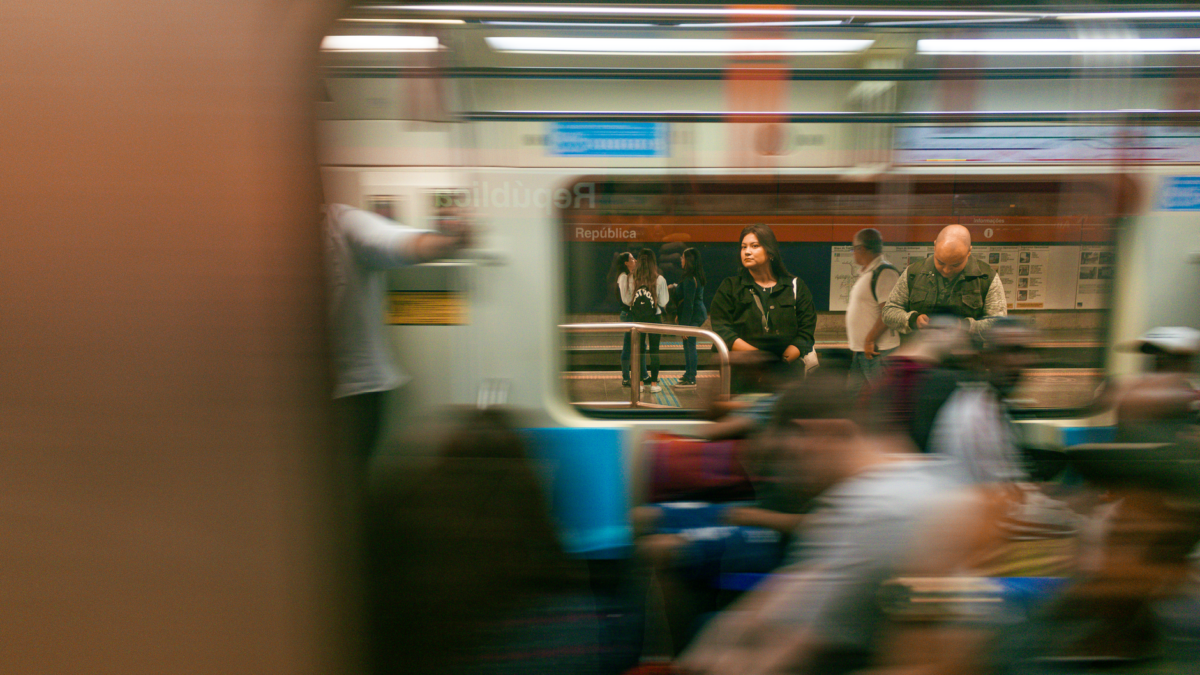
It is one of those thick, humid afternoons in Santo Domingo where the sky seems to press down on the Ozama River. You are standing near the Malecón, watching the traffic on Avenida George Washington crawl like a red river of taillights. A sudden downpour, typical for this tail end of the hurricane season, has already turned stretches of Avenida Gregorio Luperón into shallow canals. If you rely on your car or a random taxi right now, you will be stuck there for an hour. But if you know how this city breathes and moves, you can glide through the chaos with ease.
Santo Domingo is not Paris, and it is certainly not Tokyo. It is a sprawling, energetic capital where the oldest European settlement in the Americas sits alongside modern glass towers in Piantini. Getting around requires a mix of strategy, local knowledge, and a willingness to embrace the rhythm of the streets. Here is how you move like a local, whether you are heading to the Zona Colonial for dinner or escaping the heat to the Jardín Botánico.
The Metro: Your Best Friend in the Rain
If there is one thing that defines modern mobility in Santo Domingo, it is the metro. Opened in 2009, the system operated by OPRET consists of two lines—Line 1 (North-South) and Line 2 (East-West)—that cross each other at the historic Centro de los Héroes station. For a traveler, this is your lifeline, especially when the inevitable afternoon storms roll in.
The fare is remarkably stable. Since 2009, a single ride has cost RD$20 (roughly $0.30 USD). You do not buy paper tickets; instead, you purchase a rechargeable contactless card at any station booth. Tap in at the turnstile, and you are on your way. The trains are clean, air-conditioned, and safe, patrolled by security personnel who keep the platforms orderly.
However, the real value comes from the integrated transit system. As of late 2025, the state offers an integrated fare of RD$35 (about $0.60 USD). This pass allows you to travel across both metro lines, take the Teleférico cable car in Sabana Perdida, and use the OMSA bus corridors along Winston Churchill and Núñez de Cáceres, all within a 30–45 minute transfer window. You can even tap in with a contactless Visa or Mastercard directly at the gates, though having a dedicated metro card is still smoother for quick transitions.
Note: Always check current status before relying on the Teleférico. In September 2026, Line 1 was announced as temporarily suspended for annual maintenance, so verify if it is running before you plan a scenic route over the city.
Taxis, Ride-Hailing, and the ‘Carro Público’
When the metro doesn’t reach your destination, you have three main options. First, there are the carros públicos. These are old American sedans painted in specific colors indicating their routes (yellow for general public, green for specific zones). They are cheap, abundant, and part of the city’s soul. However, they are not hailable; you must wave them down and agree on a price beforehand, or ensure they follow a strict fixed-route map. They are best for short hops between neighborhoods if you speak Spanish and know the going rate.
For tourists, I strongly recommend using ride-hailing apps like Uber or inDrive. They are widely available, transparent in pricing, and safer than hailing a street taxi. If you must take a registered taxi, insist on the meter (cuenta) or negotiate the price clearly before getting in. The Zona Colonial is patrolled by CESTUR, the tourist police, which makes it relatively secure, but outside these zones, realistic risks involve petty theft or overcharging. Avoid walking alone in empty side streets after dark; use a car to get from your hotel to dinner.
A quick note on costs: while transport is cheap, daily living expenses are rising. A cup of coffee at a place like Casa Barista & Co. might run you RD$98 (about $1.60), and a modest meal at a local comedor in Gazcue could be around RD$429 ($7). Beer is still a bargain—a bottle of Presidente at a colmado is RD$110 ($1.80), but a jumbo liter bottle is RD$200 ($3).
Walking: When Two Legs Beat Four Wheels
There are moments in Santo Domingo when walking is not just an option, but the only sensible choice. The crown jewel is the Zona Colonial, the UNESCO-listed 16th-century core on the west bank of the Ozama River. Here, cobblestone streets like Calle Las Damas and Calle El Conde invite you to stroll past centuries-old architecture. Calle El Conde is the city’s only pedestrian street, lined with shops, cafes, and the imposing Alcázar de Colón.
Walk from the Catedral Primada de América to the Fortaleza Ozama, then head down to the malecón to watch the sunset over the ocean. It is quiet after dark, beautifully lit, and steeped in history. Independence was proclaimed here in 1844 at the Puerta del Conde, and today, the area feels like an open-air museum. Just be mindful of your belongings; while violent crime is low in the colonial zone, pickpockets exist everywhere in dense tourist areas.
Another walk-worthy district is Gazcue. Located between the Malecón and the old town, it is leafy and middle-class, home to Art Deco mansions and the Plaza de la Cultura. You can walk from the National Palace to the Museo de Arte Moderno, enjoying the shade of the trees. It is a stark contrast to the bustling commercial energy of Piantini and Naco, where you will find upscale malls like Ágora Mall and Blue Mall, rooftop bars, and the city’s most polished streets. Walking here is pleasant during the day, but again, I suggest taking an Uber back to your accommodation at night.
Navigating the City’s Rhythm and Events
Santo Domingo moves to its own beat, and your transport plans should align with the cultural calendar. Early October often sees heavy downpours that flood avenues, so always have a backup plan. If you are visiting later in the month, keep an eye on major events. For instance, the IX National Theater Festival (FENATE 2026) runs from October 22 to November 1, with shows across venues like the Teatro Nacional and Casa de Teatro. Expect increased foot traffic and potential road closures near these sites.
Similarly, the Santo Domingo Corre marathon takes over capital streets in mid-October, with rolling road closures that can snarl traffic for hours. If you need to cross the city during a race, give yourself extra time or stick to the metro, which usually remains operational above ground. Meanwhile, the Malecón hosts ‘Octubre en Lungomare’ with merengue nights, drawing crowds that spill onto the sidewalks. It is a vibrant scene, but navigation becomes tricky once the music starts.
For those looking to escape the urban density, the metro and buses can take you to natural escapes. Los Tres Ojos, a limestone cavern park with freshwater lagoons, is accessible via bus or taxi. Entry is approximately RD$180 ($3). For a more rugged adventure, the Jardín Botánico Nacional offers a serene walk among orchids and Japanese gardens. If you want the beach, Boca Chica is about 30 km east, reachable by car or long bus ride.
Ultimately, Santo Domingo rewards those who adapt. Use the metro for speed and reliability, walk for immersion in the historic center, and use ride-hailing for comfort and safety at night. With fares staying low despite inflation, you can explore this vibrant capital without breaking the bank. Just remember: in a city that thrives on life and noise, sometimes the best way to see it is to step out of the car and into the street.
Frequently asked questions
How much does a single ride on the Santo Domingo Metro cost?
A single ride costs RD$20 (approximately $0.30 USD). You must use a rechargeable contactless card purchased at station booths.
Is there an integrated transit pass for buses and the metro?
Yes. An integrated fare of RD$35 (approx. $0.60 USD) covers trips on Metro Lines 1-2, the Teleférico, and OMSA buses within a 30-45 minute window.
What are the safest ways to travel at night in Santo Domingo?
Use registered taxis or ride-hailing apps like Uber. Avoid walking alone in the Zona Colonial side streets after dark due to poor lighting and petty theft risks.
Can I pay for the metro with a credit card?
Since December 2025, contactless Visa and Mastercard payments are accepted at metro gates, though a dedicated rechargeable card is often faster for transfers.
Are there road closures I should avoid during October events?
Yes. Major events like the Santo Domingo Corre marathon (mid-October) and FENATE theater festival (late October) cause rolling road closures and heavy traffic.
Things to do in Dominican Republic
 Special offer
Buggy Adventure Punta Cana Macao Beach Water cave and Off-road
Special offer
Buggy Adventure Punta Cana Macao Beach Water cave and Off-road
 Professional Photographer in Punta Cana for Private Events
 VIP Transfer from Punta Cana Airport to Punta Cana / Bavaro Hotel
 Private Luxury Catamaran - Saona or Catalina island
 Hip Hop Party Boat Punta Cana with Snorkeling Only Adults
 ATV & buggy Punta Cana Off Road Macao beach & Cave