

Japan in October 2026: what travelers should know now
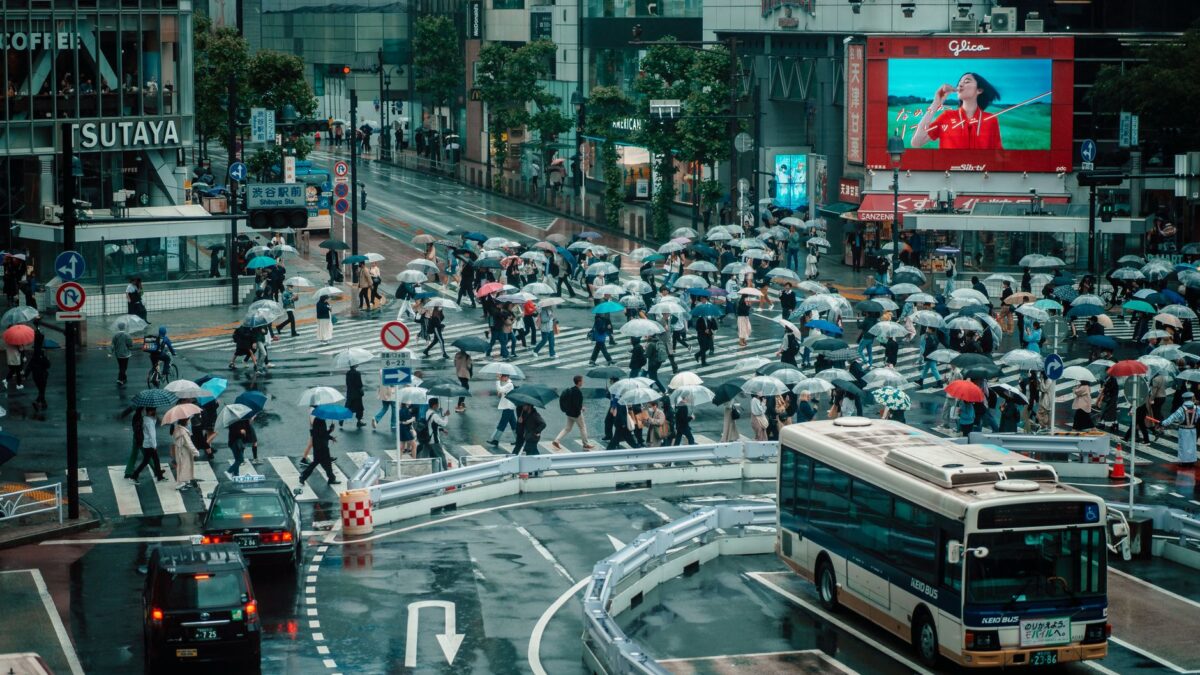
The air in Tokyo has finally shed its humidity, but the ground is still damp from the week’s light drizzle. As I step out of my apartment in Shibuya, the temperature hovers around a comfortable 18°C, though the ‘feels like’ metric sits higher at 32°C due to the lingering tropical moisture that defines our October transition. It is that brief, crisp window where you can walk without sweating but still need a light jacket for the evening chill. This month, Tokyo is not just a city; it is a stage being set for autumn, with the tail end of typhoon season bringing sudden wet spells and the streets beginning to smell of roasted chestnuts and Pacific saury.
Weather and Packing: The Wet Turn
If you are arriving this week, pack for volatility. The forecast shows highs near 29°C dropping to cooler nights, but the rain is persistent. You will see locals navigating the scramble crossing with umbrellas, moving quickly through the pedestrian underpasses. Bring a waterproof layer that breathes; heavy coats will make you miserable if the sun breaks through the clouds. Also, ensure your shoes are water-resistant. The cobblestones in Shimokitazawa and the riverbed paths along Meguro become slippery when wet, and you do not want to slip while enjoying the early autumn illuminations that are starting to flicker on.
Holidays and Event Congestion
Two major events are shaping traffic and crowd dynamics right now, so plan your transit accordingly. First, Sports Day (Sports no Hi) falls on October 12th, just eleven days away. While many shops remain open, schools and some government offices close, leading to lighter-than-usual traffic on the highways but heavier-than-normal usage of parks. If you are planning a hike up Mount Takao for those classic Fuji views, book your cable car tickets early; the Keio Line will be crowded with families taking advantage of the holiday.
More immediately impactful is the Kappabashi Kitchenware Festival, running from October 6th to 12th. This event transforms the Kappabashi utensil street into a parade ground filled with specialist shops and stalls. On the final day, the 850-meter street closes to all vehicle traffic. If you are staying near Ueno or Akihabara, expect significant pedestrian congestion and consider walking rather than driving. For the culinary curious, this is the best time to buy high-quality knives and ceramic bowls directly from the artisans.
Cultural Shifts: ARTE TOKYO and Music
A significant cultural shift is underway with the launch of ARTE TOKYO, a new city-wide arts festival. Starting October 10th, Odaiba, Hibiya/Marunouchi, and Yoyogi/Shibuya will host pop-up installations. Residents are already buzzing about the opening act, ARTE TOKYO CIRCUS, on the Odaiba observation deck. This is not a static museum experience; it is a dynamic, site-specific modern-circus performance that merges with street art. If you enjoy immersive digital art, keep an eye on teamLab Borderless at Azabudai Hills, which remains one of the most-visited installations globally—book tickets weeks in advance as demand surges during these festival periods.
For music lovers, the first autumn edition of a-nation 2026 takes place at the special outdoor venue in Odaiba on October 3rd and 4th. This marks the event’s return to Odaiba after 23 years, drawing massive crowds. Expect road and train congestion in the Bayside area. If you are heading there, use the Yurikamome line but prepare for long walks from the station to the venue.
Cost of Living and Dining Realities
While the weak yen (approximately 151 JPY to 1 USD) makes Tokyo feel affordable for foreign visitors, prices here are climbing. Monthly rents for a modest one-bedroom flat in the 23 wards have risen roughly 13% in the last year, settling around ¥111,000–¥117,000. Hotel rates reflect this too; mid-range business hotels in Shinjuku or Ueno now average ¥15,000 per night. However, dining out remains excellent value. A bowl of tonkotsu ramen at a popular shop costs about ¥980–¥1,100, and a gyudon beef bowl from a local chain is around ¥400–¥600. For a more substantial meal, a conveyor-belt sushi dinner runs about ¥1,500, and a set-lunch teishoku is typically ¥800–¥1,200. Carry cash; small restaurants and temples still prefer it, and having ¥10,000–¥15,000 on hand is wise.
Practical Tips for October Arrivals
Visa-free entry allows most Western travelers to stay for up to 90 days as temporary visitors. Ensure you register on Visit Japan Web before landing to speed through immigration. Once here, get a rechargeable IC card like Suica or PASMO immediately. These work on all metro lines, private railways, and even at convenience stores. Tourists can purchase physical Welcome Suica cards or add them to their Apple Wallet via the iOS app. For internet, install an eSIM before you land; Japanese phone numbers are increasingly required for bank SMS verification, so a reliable data plan is essential.
Finally, be aware of the ‘Goodbye Bad Halloween’ crackdown by Shibuya Ward, which begins late October and extends into November. Authorities are implementing strict bans on street drinking and smoking, installing temporary fences around the Hachiko statue, and restricting traffic. If you plan to visit Shibuya during this period, respect the new rules to avoid fines. Tokyo is safe, but these measures aim to manage the massive influx of tourists. Enjoy the crisp air, the seasonal foods, and the vibrant energy of the city—it is truly a beautiful time to be here.
Frequently asked questions
When is Sports Day in Japan and how does it affect travel?
Sports Day falls on October 12, 2026. Schools and government offices close, leading to increased park usage and potential highway traffic, though public transport remains operational.
What is the ARTE TOKYO festival and when does it start?
ARTE TOKYO is a new city-wide arts festival launching October 10, 2026, featuring pop-up installations and circus performances in Odaiba, Hibiya, and Shibuya until December 31.
How much does a bowl of ramen cost in Tokyo right now?
A bowl of ramen at a popular shop currently costs between ¥980 and ¥1,100, reflecting stable pricing despite rising hotel and rental costs.
Are there any street closures in Tokyo in October 2026?
Yes, the Kappabashi Kitchenware Festival closes the 850m Kappabashi street to vehicles from Oct 6-12, and the 'Goodbye Bad Halloween' measures restrict traffic in Shibuya from Oct 30-Nov 1.
Things to do in Japan
 Samurai Training Experience KENDO in Osaka
 Tokyo Private Discovery Tour | Unique Insights & Must Sees
 Pixel Lab Tokyo: Gameboy Mod Workshop (Classic/Advance/SP)
 Private Tea Ceremony and Sake Tasting in Kyoto Samurai House
 Private Tailor-made Akihabara Anime Tour with a Local Otaku Guide
 Likely to sell out
Kyoto Gion Walk with Local: Culture & Geisha World
Likely to sell out
Kyoto Gion Walk with Local: Culture & Geisha World