

Moving to Bosnia and Herzegovina: visas, banking and SIM cards
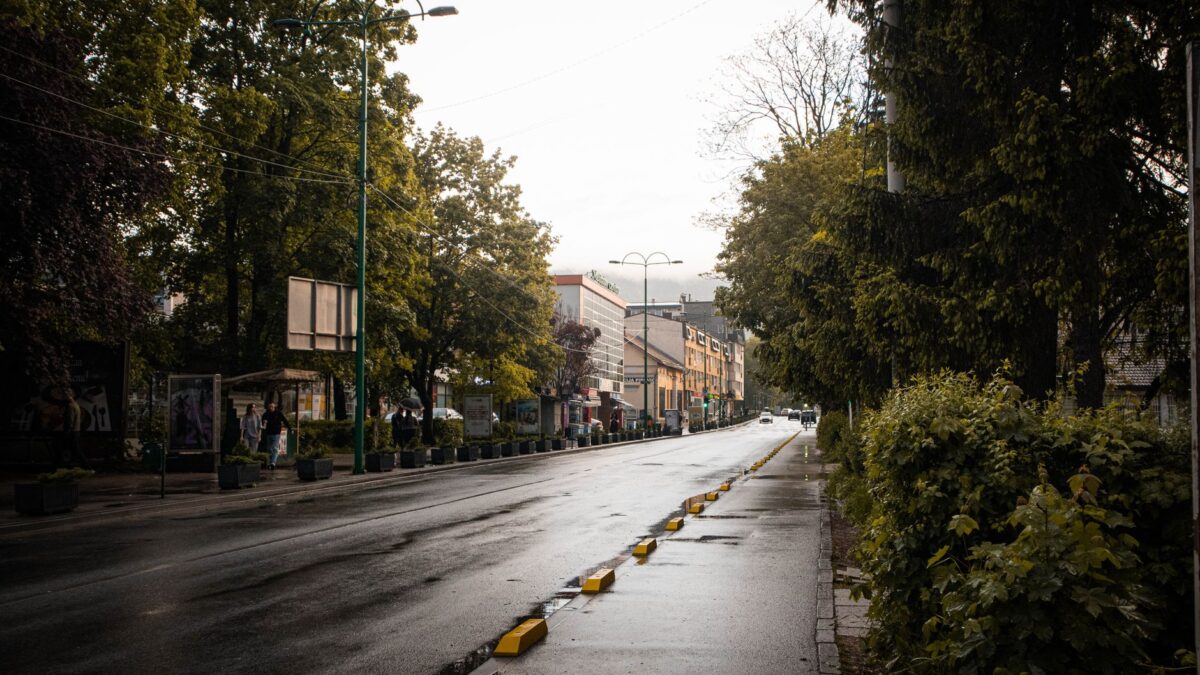
The mist in the Miljacka valley is just lifting, revealing the copper domes of Baščaršija glinting in the early light. It is October here, and the air carries that distinct mix of damp autumn chill and the sweet smoke of roasting chestnuts from street corners. If you are planning to move to Bosnia and Herzegovina, this is not a city you simply visit; it is a place where you must slow down, listen to the call to prayer blend with church bells, and learn the rhythm of a life built on resilience and warmth. But before you can settle into a flat near the Yellow Fortress or spend your evenings at a kafana in Vratnik, you need to navigate the practicalities of arrival. The bureaucracy has its quirks, but if you know what to ask for, the first week can be surprisingly smooth.
Entry, Visas, and the White Card
If you hold a passport from the EU, UK, US, Canada, or Australia, you likely do not need a visa to enter. You are granted 90 days visa-free within any 180-day period. This generous window allows you to explore the MESS Theatre Festival or wander the Tunnel of Hope without rushing your paperwork. However, border officers may ask for proof of funds—roughly 75 EUR per day—and an onward ticket. Keep these documents handy in your bag; they are your best friends at the checkpoint.
The most critical step upon arrival is registration. While hotels handle this automatically, if you are staying in a private apartment or with friends, you must register your address within 48 hours of entry. This is done at the local police station or the Service for Foreigners’ Affairs office. In Sarajevo, this office is located at Michaela Schumachera 10. Bring your passport and proof of address (your rental contract or a letter from your host). Once processed, you will receive a ‘White Card’ (bijela karta). Do not lose this card. You will need to show it to border police when you eventually leave the country. If you plan to stay longer than 90 days, you must apply for a temporary residence permit within your first month, so start gathering those documents early.
Banking on the Convertible Mark
You will quickly notice that cash still rules in many places, though cards are widely accepted in restaurants and shops. The currency is the convertible mark (BAM), which is pegged to the euro at a fixed rate of 1 EUR = 1.95583 BAM. This stability makes budgeting easier, as prices rarely fluctuate wildly. You will see euro notes accepted in tourist areas, but you should always transact in KM for better rates.
Opening a bank account requires patience and the right documents. Generally, you cannot open an account with just a passport. You will need your White Card, proof of residence, and often a local ID number. Major banks like UniCredit Bank, Raiffeisen Bank, Sparkasse Bank, and BBI Bank have branches throughout the city center, particularly along the Ferhadija corridor. ATMs (bankomati) are ubiquitous, so withdrawing cash is easy, but setting up a direct debit for rent or utilities will require that initial branch visit. Be prepared for long queues and limited English speaking staff; bringing a Bosnian speaker or using translation apps can save you hours.
Connectivity: SIM Cards and Data
Getting online is straightforward. There are three national mobile operators: BH Telecom, m:tel, and HT Eronet. Prepaid tourist SIM cards are sold at airport kiosks, official operator shops, and even some convenience stores. You will need your passport to activate the SIM, and the process usually takes ten minutes. Coverage in Sarajevo is excellent, allowing you to stream podcasts while riding the tram. However, if you venture into the surrounding mountains near Igman or Bjelašnica, expect dead spots. Always keep a map downloaded offline.
For data plans, compare the packages directly. BH Telecom often offers competitive bundles for expats, while m:tel has a strong presence in the urban centers. Avoid buying SIMs from unofficial street vendors unless you want to risk activation issues. Once active, download local navigation apps immediately, as Google Maps can sometimes lag in updating new bus routes.
Navigating the City and Daily Costs
Sarajevo is compact, but it is layered. Public transport is run by GRAS (trams, trolleybuses, buses) and Centrotrans. Tickets are not interchangeable between operators, so check which one serves your route. A single ride costs about 1.60 KM if bought from a kiosk versus 1.80 KM from the driver. Remember to stamp or validate your ticket upon boarding to avoid fines. For regular travel, consider the reloadable ‘Sarajevo Card,’ available at kiosks like the one under the Marshal Tito square fountain, for roughly 5 KM, which offers cheaper per-ride taps.
Daily expenses are reasonable compared to Western Europe. A cup of coffee in a traditional kafana costs around 2.80 KM, while a meal at an inexpensive local restaurant runs about 12–15 KM. A three-course dinner for two at a mid-range spot is approximately 60 KM. Transport passes for workers in Zone A are subsidized at 60 KM monthly, making commuting affordable. Taxi flagfalls start at 1.90 KM, with a per-kilometer rate of about 1.20 KM. Hail a cab from reputable stands or use app-based services if available.
Safety is generally high regarding street crime. Walking at night in Baščaršija or Centar is safe. The real danger lies in unexploded landmines on unmarked hillsides. Stick to marked paths when hiking Trebević or exploring off-piste areas. Pickpocketing can occur on crowded trams, so keep your wallet secure.
Finding Your Neighborhood
Your choice of district defines your experience. Baščaršija is the historic heart, perfect for those who want to be steps away from the Sebilj fountain and Gazi Husrev-beg Mosque. Rents here are higher, averaging 700–900 KM for a modest one-bedroom, but the atmosphere is unmatched. Vratnik, just uphill, offers quieter streets and stunning sunset views from the Yellow Fortress, though you will rely more on walking or public transit.
Centar and Ferhadija provide a cosmopolitan feel, close to political institutions and Austro-Hungarian architecture. Marijin Dvor is modern, with big hotels and shopping centers, ideal for business travelers. For a residential vibe away from tourists, look at Grbavica or Ilidža. Ilidža, further west, is a spa town with thermal springs and access to Vrelo Bosne park, offering a slower pace of life. Regardless of where you choose, Sarajevo welcomes you with open arms.
Frequently asked questions
Do I need a visa to move to Bosnia and Herzegovina?
Most Western passport holders (EU, UK, US, etc.) get 90 days visa-free within any 180-day period. No e-visa exists; entry is visa-on-arrival or visa-free depending on nationality.
How do I register my address after arriving in Sarajevo?
If not staying in a hotel, you must register at the local police or Service for Foreigners' Affairs within 48 hours. In Sarajevo, go to Michaela Schumachera 10 with your passport and proof of address to get your White Card.
Can I open a bank account in Bosnia with just a passport?
Generally no. You typically need your White Card (registration certificate), proof of residence, and sometimes a local ID number to open an account at banks like UniCredit or Raiffeisen.
What is the cost of public transport in Sarajevo?
A single ticket is about 1.60 KM from a kiosk or 1.80 KM from the driver. Monthly worker passes in Zone A are roughly 60 KM. Tickets must be validated on board.


