

A week in Addis Ababa on a mid-range budget
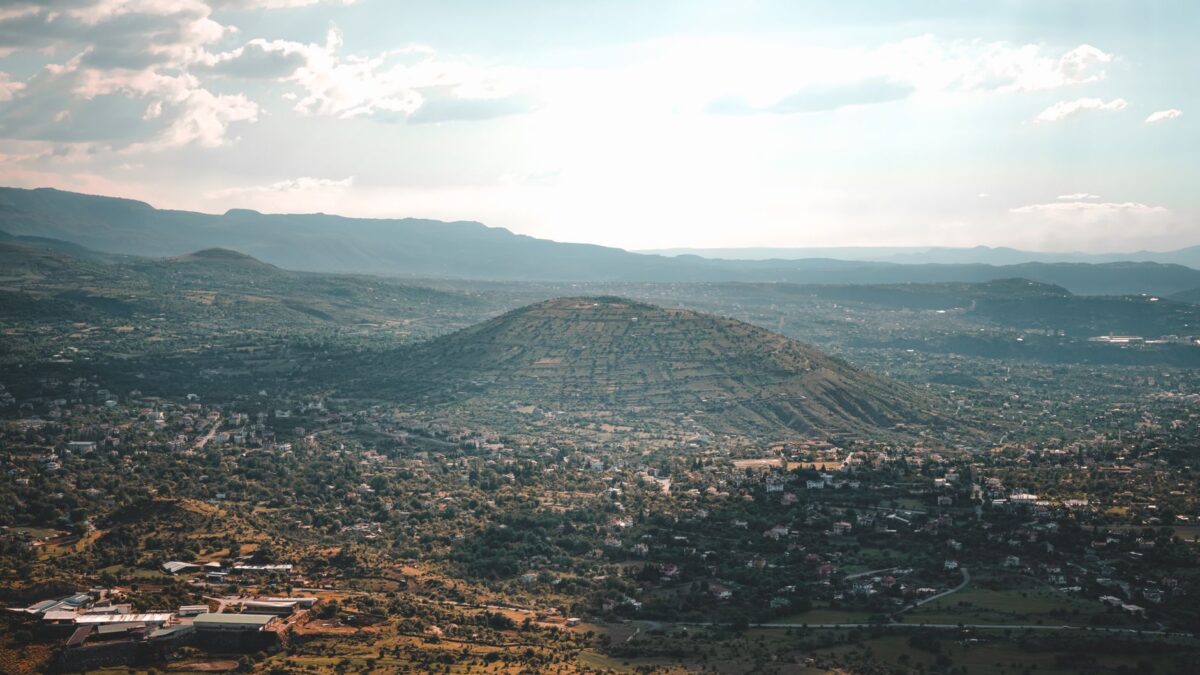
The air in Addis Ababa has a specific weight to it—thin, crisp, and smelling faintly of eucalyptus and woodsmoke. It is early October, that precarious pivot point where the long rainy season finally relents, leaving the Entoto Hills washed in startling greens while the city braces for the dry birraa spring. You are standing on a corner in Bole, watching the chaotic ballet of blue-and-white minibuses weave through traffic, and you realize that navigating this capital of 3.8 million people is less about finding the cheapest option and more about understanding the rhythm of the birr.
I am Dawit Bekele, and I have lived in these streets long enough to know that ‘mid-range’ in Addis doesn’t mean luxury; it means comfort without the tourist trap premium. With inflation running hot and the currency fluctuating, your budget needs to be flexible. But if you plan wisely, a week here can be deeply immersive, delicious, and surprisingly affordable. Let’s walk through seven days of real costs, anchored to the places we actually go.
The Foundation: Where You Sleep and How You Move
Your first decision is geography. For a mid-range traveler, Bole is your anchor. It is calm, walkable, and home to the best coffee scene. You will find mid-range guesthouses or boutique hotels like the SOCIAL HOUSE ADDIS ABABA or the Holiday Hotel in Hayahulet charging between 2,500 and 7,000 ETB per night (roughly $85). This is not a bargain-basement hostel rate; this is a clean room with reliable Wi-Fi and hot water, which in Addis is a significant luxury.
Transportation is where the budget shifts dramatically. The motorcycle taxis (bajajs) that used to zip through every alley are now banned outright across the city, enforced by arrests, so you cannot rely on them as a cheap fallback. Instead, you will use ride-hailing apps like Ride or Feres, or negotiate short private taxi rides across town for 100–200 ETB ($2.7). If you want to brave the local experience, the Anbessa City Bus or the Light Rail costs only 5–20 ETB ($0.2) per ride. However, during the Irreechaa festival periods, expect massive crowds and road disruptions, so keep your app credits handy.
Day 1-2: Piazza, Merkato, and the Taste of Shiro
Start in Arada, the historic heart. Walk from Piazza to the National Museum to see Lucy (Dinkinesh), then dive into Merkato. Claimed as Africa’s largest open-air market, Merkato is a sensory overload of spices, textiles, and recycled metal crafts. Go by day, ideally with a guide, and keep your valuables hidden.
Lunch here should be local. Skip the hotel buffet. Find a modest spot serving injera with shiro wot (chickpea stew). A plate at a local eatery runs about 80–150 ETB ($2.1). It is hearty, spicy, and costs less than a cup of coffee in New York. For breakfast, look for ful (fava-bean stew with bread) at a street stall for 30–80 ETB ($1.0).
In the afternoon, visit Tomoca Coffee in Piazza. It is an institution. A macchiato here costs 25–40 ETB ($0.6). You are paying for the history, not just the caffeine. Dinner on Day 2 could be at Meskott Culinary Experience in Bole, where you might spend around 300–600 ETB ($8) for a refined take on traditional dishes. This is your ‘mid-range’ baseline: eating well, but not extravagantly.
Day 3-4: Kazanchis, Culture, and the Red Terror
Kazanchis is the diplomatic quarter, buzzing with new cafes and the African Union HQ. Spend your morning exploring the architecture around Meskel Square. In the afternoon, visit the Red Terror Martyrs Memorial Museum. It is heavy, necessary work. Entry is nominal, but bring cash for any small donations they request.
For lunch, try YeGesha Specialty Cafe & Roastery. Their specialty coffee flights are excellent, costing around 40–60 ETB per cup. Pair this with a sambusa (fried pastry snack) from a nearby vendor for 10–30 ETB ($0.4). This is how you snack in Addis: small, frequent, and savory.
Dinner should be a social event. Book a table at Cravings Restaurant & Bar or GOLDEN PLATE RESTAURANT | BOLE. A meal here, perhaps tibs (sautéed meat) with injera, will set you back about 300–600 ETB ($8). End the night with a St. George beer at a local bar for 60–120 ETB ($1.6). The nightlife in Bole is safe and lively, but always use app taxis to get home.
Day 5-6: Entoto Hills and Unity Park
Escape the city heat by heading up to the Entoto Hills. The view of Addis sprawling below is breathtaking. Entrance to Entoto Park is minimal cost, but hire a local driver for the hour-long trip up and down for roughly 500–800 ETB total. Visit the Entoto Maryam Church, built by Menelik II, and breathe in the eucalyptus scent.
On the sixth day, visit Unity Park (Grand Palace). This restored royal grounds features lions, gelada monkeys, and the Emperor Menelik II palace buildings. Tickets are moderate, likely under 200 ETB. It is a fascinating look at Ethiopia’s imperial past, curated by Prime Minister Abiy. Lunch inside or near the park is limited, so pack snacks or head back down to Bole for a meal at SMASH BURGERS or Sapore Restaurant, keeping costs around 300 ETB ($8).
Day 7: Souvenirs, Banking, and Departure
Your final day is for last-minute purchases. Go to the Shiro Meda market for handwoven textiles. Bargaining is expected. Bring small denominations of ETB; vendors rarely have change for large bills.
Before you leave, ensure your banking logistics are clear. Addis is still cash-heavy. While mobile money via Telebirr and M-Pesa is growing, most small vendors do not accept cards. Withdraw ETB from the Commercial Bank of Ethiopia branches or private banks like Awash Bank. Remember, foreign currency over USD 3,000 must be declared upon entry, and overstays on your visa accrue a USD 30/day fine.
End your week with a farewell coffee ceremony at Rising Cub Coffee Roasters in Kazanchis. Watch the beans being roasted, ground, and brewed in a jebena. It costs 25–40 ETB ($0.6) but feels like a ritual. As you sip, reflect on the week: the chaos of the light rail, the warmth of the hospitality, and the resilience of a city rebuilding itself amidst political uncertainty and economic pressure.
Addis Ababa is not easy. Traffic is heavy, inflation is high, and the bureaucracy can be daunting. But for a mid-range budget, it offers a depth of culture and flavor that few other capitals can match. You don’t need much money to see it all; you just need to be willing to sit down, share an injera, and listen.
Frequently asked questions
How much does a mid-range hotel cost in Addis Ababa?
Expect to pay between 2,500 and 7,000 ETB (approx. $85) per night for a comfortable guesthouse or boutique hotel in areas like Bole or Hayahulet.
Is it safe to drink tap water in Addis Ababa?
No, tap water is not recommended for tourists. Stick to bottled water or filtered options available at most restaurants and hotels.
What is the best way to get around Addis Ababa?
Use ride-hailing apps like Ride or Feres for safety and convenience. Public buses and the Light Rail are very cheap (5-20 ETB) but can be crowded and confusing for newcomers.
Do I need cash or can I use credit cards in Addis?
Addis is largely cash-based. Carry Ethiopian Birr (ETB) for markets, taxis, and small meals. Credit cards are accepted at larger hotels and upscale restaurants, but ATMs may run out of cash.
Are there any travel restrictions for foreigners in Ethiopia right now?
Yes, foreigners are currently barred from traveling to the Tigray region due to ongoing security concerns. Always check current visa requirements and political advisories before booking.
Things to do in Ethiopia
 Omo Valley Tours from Jinka
 Addis Ababa- Guided city tour with museum and market
 Addis Ababa City Tours Full Day With Hotel Pickup And Drop Off.
 Addis Ababa: Customizable Food, Markets, Coffee & Culture Tour
 Discover Addis Ababa:Museums,Churche,Markets,Landmarks & Coffee
 3-Day Arba Minch & Konso: Culture, Wildlife & Local Tour