

How much does a trip to Chile cost?
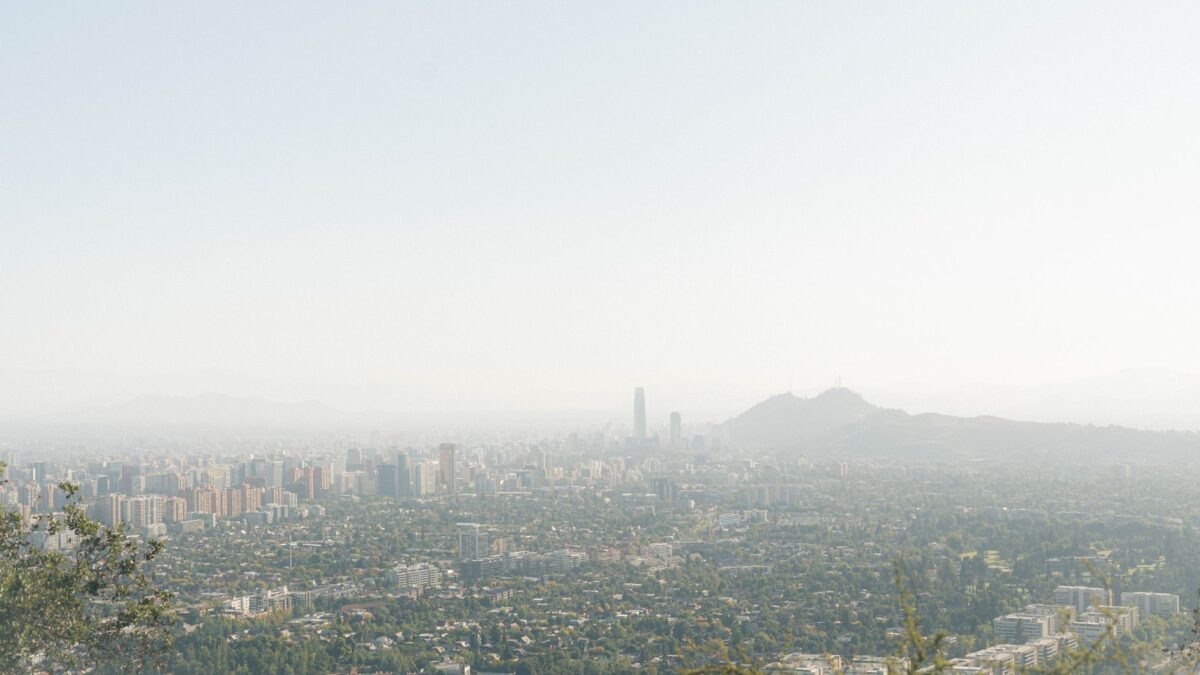
October in Santiago is a deceptive season. You wake up to that crisp, high-altitude chill—around 12°C—and the air thick with pollen from flowering trees, but by noon, the Andes wall behind the city reflects sun so warm you’ll shed your layers for something light and dry. It is mid-spring, and the city is alive. But as you plan your stay, you will quickly learn that Chile is the priciest country in South America. Budgeting here requires precision, especially since transit fares rose recently, though caps protect heavy commuters.
The Reality of Daily Spending
To understand the cost, we must look at the baseline. A single local bus (the ‘Red’) fare is roughly CL$795 all day. The Metro de Santiago, clean and punctual, charges between CL$735 (off-peak) and CL$895 (peak hours). If you rely on public transport daily, the rechargeable bip! card costs CL$1,550 upfront, but there is good news: the monthly QR cap limits your spend to about CL$42,000 ($45). This is vital if you are navigating the eastern comunas like Providencia or Las Condes, where distances can add up.
Taxis and Uber rides across town run around CL$4,500–9,000 for a 10 km trip. For food, an inexpensive local lunch (menú del día) sits between CL$8,000 and CL$12,000. A mid-range restaurant dinner will cost you roughly CL$12,000–18,000 per person. Coffee culture is strong; expect to pay CL$1,800–3,500 for a standard drink, or up to CL$5,500 for a specialty flat white. Street snacks like empanadas are affordable at CL$1,000–2,500 each.
Accommodation: Where Your Money Goes
Your choice of district dictates your budget significantly. Santiago Centro and Barrio Lastarria offer walkable charm near historic landmarks like La Moneda and Mercado Central, but caution is advised after dark due to pickpocketing. In contrast, the eastern districts—Providencia, Las Condes, and Vitacura—are safer, greener, and more expensive.
- Budget Traveler: Hostels or modest Airbnb listings in Santiago Centro might cost CL$25,000–35,000 per night. Be mindful of safety; stick to busy streets and use app-based taxis at night.
- Mid-Range: A boutique hotel in Bellavista or Ñuñoa, such as Hotel Cumbres Lastarria or GUANAKO, typically runs CL$60,000–90,000 per night. These areas offer vibrant nightlife, jazz venues, and excellent dining without the premium price tag of the financial district.
- Comfortable/High-End: Staying in Las Condes (‘Sanhattan’) or Vitacura places you near the Gran Torre Santiago and luxury shopping on Alonso de Córdova. Expect rates of CL$100,000+ per night for properties like Heidelberg Haus Apart Hotel Providencia or CasaDeTodos B&B Boutique.
Note that hotels require your Tarjeta Única Migratoria (TUM) issued by the PDI upon arrival to waive the 19% VAT. Keep this card safe; it is also required for exit.
Moving Around and Seeing the City
Santiago’s geography is defined by the valley and the mountains. Using the Metro Line 1 is the most efficient way to traverse from Centro to Providencia and Las Condes. However, the true magic lies just beyond the city limits.
Cerro San Cristóbal offers panoramic views reachable by funicular or Teleférico. Entry to the park is free, but transport costs apply. For a deeper dive into history, visit the Museo Chileno de Arte Precolombino next to Plaza de Armas or the Museum of Memory and Human Rights in Quinta Normal, which is free and essential for understanding the dictatorship era. Both are highly recommended.
If you venture out, day trips to the Maipo or Casablanca valleys for wine tasting involve transport costs and entry fees. Skiing in the Andes (El Colorado, La Parva) is seasonal, running until mid-October. Prices vary wildly by resort, but lift tickets often exceed CL$50,000. Keep in mind that during peak events like the BAMBA music festival at Parque O’Higgins or MUBI Fest at Matucana 100, accommodation prices surge.
Smart Financial Moves for Visitors
Chile is heavily card-based. Visa and Mastercard are accepted almost everywhere, from specialty coffee shops like Perfil Coffee Santiago to major malls like Costanera Center. Cash is mainly needed for street markets like La Vega or small empanada stands. Do not feel compelled to carry large amounts of cash.
Banking access is restricted for tourists. You need a cédula de identidad to open an account, which requires registration within 30 days. Until then, rely on cards or ATMs from BancoEstado, which has the widest network. Mobile SIMs are easy to get; prepaid options from Entel, Movistar, Claro, or WOM are available at the airport with just a passport.
Safety is generally good by Latin American standards, particularly in the eastern comunas. However, phone-snatching is a real risk in Centro and Bellavista late at night. Use Uber or Cabify after dark outside these safe zones. Most apartment buildings have a 24-hour conserje (doorman), adding a layer of security.
Weekly Budget Breakdown
Here is a realistic estimate for a week in Santiago, based on current approximations:
- Budget (~CL$45,000/day): Hostel dorm (CL$30k), street food/empanadas (CL$10k), Metro/bus only (CL$5k).
- Mid-Range (~CL$90,000/day): Boutique hotel (CL$70k), sit-down lunches/dinners (CL$15k), occasional taxi/Metro (CL$5k).
- Comfortable (~CL$160,000+/day): High-end hotel (CL$100k), fine dining/wine tours (CL$40k), private transfers/excursions (CL$20k+).
Chile demands respect for its geography and its economy. Plan for higher costs than your neighbors in Peru or Argentina, but you are rewarded with unparalleled natural beauty, world-class wine, and a capital city that balances gritty history with modern sophistication.
Frequently asked questions
Is Chile expensive compared to other South American countries?
Yes, Chile is currently the priciest country in South America. While you can find budget options, overall costs for accommodation, food, and transport are higher than in neighboring countries.
How much does public transport cost in Santiago?
A single Metro fare ranges from CL$735 to CL$895 depending on the time of day. A monthly cap exists at approximately CL$42,000, making heavy commuting more affordable. Bus fares are around CL$795 all day.
Do I need to register with immigration authorities when arriving?
You receive a Tarjeta Única Migratoria (TUM) from the PDI upon entry. You must keep this card to waive VAT at hotels and present it upon exit. New residents must register for an ID within 30 days.
Where is the safest area to stay in Santiago?
The eastern comunas—Las Condes, Vitacura, Providencia, and Lo Barnechea—are considered very safe with high security presence. Santiago Centro and Bellavista require more caution, especially at night.
Can I use credit cards everywhere in Santiago?
Almost everywhere accepts Visa and Mastercard, including restaurants, shops, and hotels. Cash is primarily needed for street markets, small vendors, and some local transport top-ups.
Things to do in Chile
 Guided Half Day Kayak Tour with Picnic in Villa la Angostura
 Gong Bath in the Magic Forest in San Pedro de Atacama
 Villarrica Volcano Ascent
 Guided Kayak Trip on Liucura River
 Valpo in 1 day: Authentic + Famous! Semi-private walking tour & public transport
 Private Full Day Tour on Easter island "The Highlights"