

The best time to visit Botswana
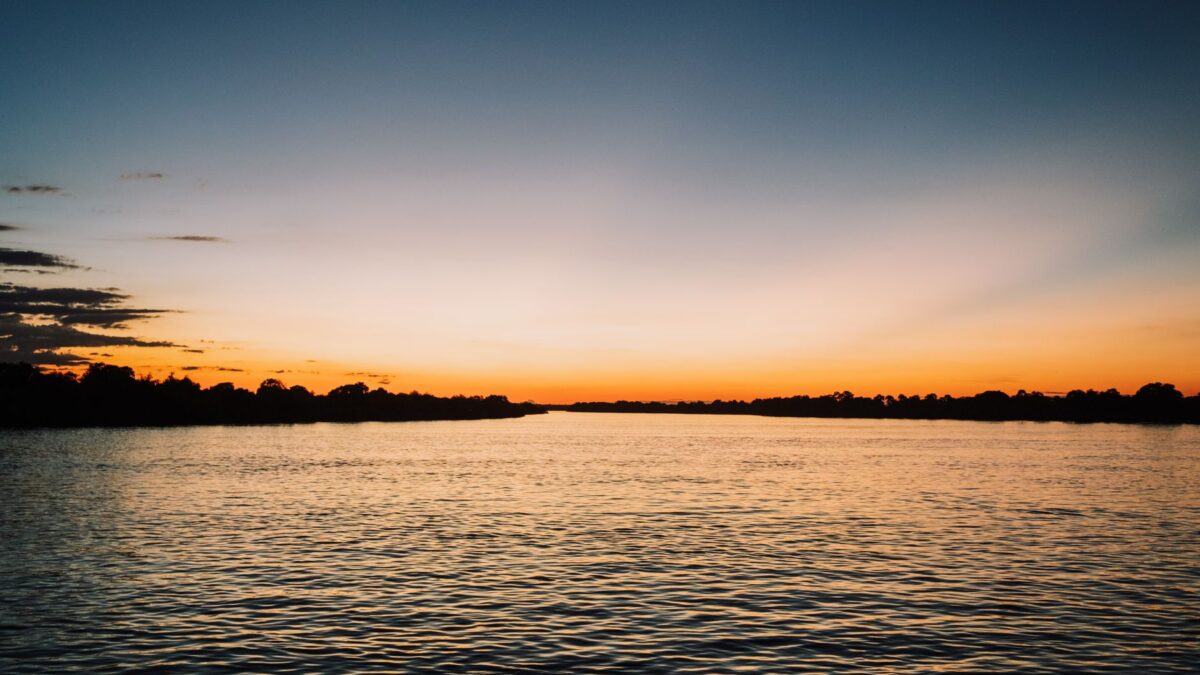
I remember standing on Kgale Hill—the ‘Sleeping Giant’ that dominates our southern skyline—watching the first thunderstorms of October roll over the city. The air was thick with dust and the sweet, heavy scent of jacaranda blossoms falling like purple snow. It is a specific, electric moment in Gaborone: the hot, dry tail end of the season breaking into life. If you are planning to visit Botswana, understanding this rhythm is everything. The best time to go depends entirely on whether you want to track elephants in the delta or dance under the stars in the Kalahari.
May to August: The Dry Season Classic
This is the window most travelers dream of. As winter sets in across the Southern Hemisphere, the Okavango Delta becomes a parched, golden stage where wildlife gathers at shrinking waterholes. For game viewing, it is unbeatable. However, this peak season comes with a price tag. Accommodation in the northern camps can be steep, often requiring bookings six months out. In the capital, Gaborone, the weather is mild and sunny, perfect for walking along Main Mall or hiking up Kgale Hill before the heat returns. You will find fewer crowds here than in the north, but hotel rates in mid-range properties like Town Lodge Gaborone or Brackendene Lodge remain firm. Expect to pay around P800–1,500 per night for a comfortable stay during these months. Meals at local chophouses run about P50–80 for a hearty plate of pap and stew, keeping daily food costs accessible even if your lodge bill does not.
September to October: The Hot, Dusty Bridge
If you prefer warmth over chill and don’t mind a bit of dust, late September and early October offer a unique charm. This is the transition period. In Gaborone, the jacarandas bloom, and the city hums with energy. You might catch local cultural events like the African Attire on Fleek fashion showcase at Bojanala Waterfront or gospel tours filling the venues. The weather is hot, often reaching high twenties Celsius, but the light is beautiful for photography. Prices begin to dip slightly as the high-season rush fades. A cappuccino at Studio Cafe BW or Sanitas Tea Garden might cost you P30–50, and a beer at the legendary Bull & Bush pub in Broadhurst is roughly P25–35. This is also a great time to explore the city’s vibrant arts scene, visiting Thapong Visual Arts Centre or browsing craft baskets at Botswanacraft near the National Assembly gardens. Just be aware that independence celebrations in September can mean some closures or special government events, so check local listings.
November to April: The Green Season and Rains
The rains usually start in November, turning the landscape lush and green. This is the best time for birdwatchers; the floodplains of the Notwane River become teeming with hornbills and sunbirds. Wildlife is dispersed, making game drives more challenging, but the scenery is dramatic and the skies are filled with storm clouds. Hotels in the north often offer significant discounts, sometimes up to 50% off peak rates, making luxury travel much more affordable. In Gaborone, the heat can be intense, but the afternoon showers provide relief. Street food stalls at Main Mall become popular spots for lunch, where a plate of seswaa and pap costs only P30–60, or magwinya (fat cakes) for just P3–5 each. Public transport via combis is cheap, with monthly passes around P350–400, though traffic can be heavy during rush hour on access roads to Phakalane. Note that foot-and-mouth outbreaks can sometimes restrict movement of cattle, affecting meat supplies locally, so flexibility is key.
Festivals and Cultural Moments
Beyond weather, timing your visit around festivals adds depth to your trip. Independence Day on September 30th is a major national celebration with parades and fireworks, particularly visible in Gaborone’s CBD near the Three Dikgosi Monument. The Maitisong Festival in March–April showcases local music and theater, while the Okavango coiled basket markets peak around holiday seasons. In recent years, events like the Harmony of Prayers revival tour or the Mmarona Ke Doek Gospel Experience have drawn large crowds, offering a glimpse into modern Botswana’s spiritual and social fabric. These events are best experienced in Gaborone, where the mix of expats and locals creates a vibrant atmosphere. If you are staying longer, registering for local SIM cards from Mascom or beMobile at street kiosks along Main Mall is easy, keeping you connected to event updates and ride-hail apps like Yango for getting around safely at night.
Practical Costs and Planning
Budgeting for Botswana requires a mix of splurging on experiences and saving on daily needs. While imported goods and prime-area rents in suburbs like Phakalane or Extension 9 can be pricey, daily living costs in Gaborone are relatively low compared to other African capitals. A modest one-bedroom flat rents for about P3,500–5,500 monthly, reflecting the stability of the local economy. For tourists, dining out can be economical: a mid-range dinner for two at a place like Doppio Zero Botswana might cost P400–600, while a quick bite at a canteen is under P80. Currency exchange is straightforward, with the pula (BWP) trading around 13.56 against the US dollar. Most Western visitors enter visa-free for up to 90 days, but ensure your passport has blank pages and consider purchasing travel insurance that covers medical evacuation, given the distance from specialized healthcare facilities outside Gaborone. Always keep your belongings secure, especially in crowded areas like Main Mall or when using public transport.
Frequently asked questions
What is the best month for wildlife viewing in Botswana?
May to August is widely considered the best time for wildlife viewing, particularly in the Okavango Delta, as animals gather around limited water sources during the dry winter months.
How much does a meal cost in Gaborone?
Meals are quite affordable; expect to pay around P50–80 ($5) for a local plate of pap and stew at an eatery, and P200–300 ($18) per person for a mid-range restaurant dinner.
Do I need a visa to visit Botswana?
Most Western visitors, including those from the EU, UK, US, and South Africa, do not need a visa for stays up to 90 days. Other nationalities should apply online through the official e-Visa portal.
When is the rainy season in Botswana?
The rainy season typically runs from November to April, bringing lush green landscapes and excellent birding opportunities, though afternoons can bring heavy storms.
Is Gaborone safe for tourists?
Gaborone is notably safe with low crime rates by regional standards, but you should remain vigilant against opportunistic theft, lock your car, and use app-based taxis like Yango at night.
Things to do in Botswana
 2 Day 1 Night Chobe Safari ex Livingstone/Victoria Falls
 Chobe Full Day Trip from Victoria Falls
 Chobe Full day Safari: Game Drive & Boat Safari with Lunch
 Multiday Tour From Gaborone : 2 day Gaborone Experience
 Half Day Tour from Gaborone (Manyana Village Visit)
 1 Day Moremi Game Drive Safari, guided