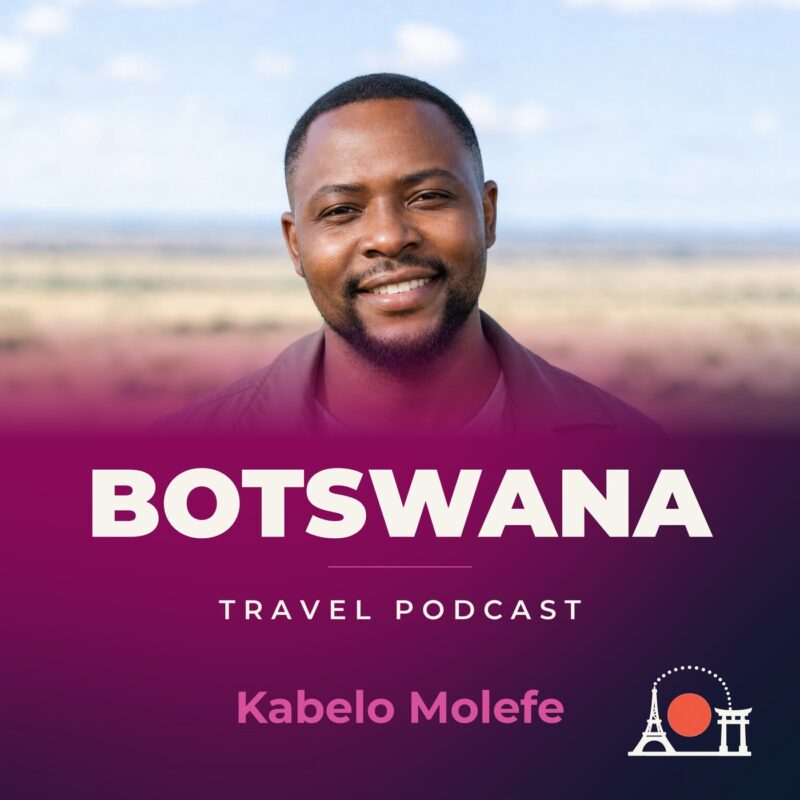
Botswana Travel Podcast with Kabelo Molefe
Hosted by Kabelo Molefe — a new episode every day from Botswana.
Botswana Travel Podcast is a slow, grounded look at a landlocked country dominated by the Kalahari Desert and the flat tableland that surrounds it. Travelling here is shaped by semiarid seasons, by the people concentrated in the east around Gaborone and Francistown, and by the Okavango Delta’s biodiversity.
The host covers a wide arc of southern and eastern Botswana, from Gaborone and Francistown out to the Kalahari’s western edge. He also visits the Okavango Delta and the Makgadikgadi Pans, where the flat salt landscape demands a different pace from the waterways and channels further north.
The show unfolds over time, returning to places as seasons change and as his understanding deepens. A Kalahari pan seen in the dry months is revisited after rain; a village near Francistown becomes familiar over repeated visits. This is not a checklist. It is the slow accumulation of knowing somewhere properly.
Recent episodes
Things to do in Botswana
 2 Day 1 Night Chobe Safari ex Livingstone/Victoria Falls
 Chobe Full Day Trip from Victoria Falls
 Chobe Full day Safari: Game Drive & Boat Safari with Lunch
 Special offer
Half Day Tour from Gaborone (Manyana Village Visit)
Special offer
Half Day Tour from Gaborone (Manyana Village Visit)
 Multiday Tour From Gaborone : 2 day Gaborone Experience
 1 Day Moremi Game Drive Safari, guided
 3 Days Okavango Delta Safari Tour
 6 Nights 7 days Zebra Trail Moremi
Plan your trip to Botswana
Getting around
Staying connected
Botswana at a glance
Botswana in depth
Reference data on the country — geography, people, history, economy and transport.
Geography and climate
Location
Southern Africa, north of South Africa
Terrain
Predominantly flat to gently rolling tableland; Kalahari Desert in southwest
Climate
Semiarid; warm winters and hot summers
Elevation
- Highest point
- Manyelanong Hill 1,495 m
- Lowest point
- Junction of the Limpopo and Shashe Rivers 513 m
- Mean elevation
- 1,013 m
Area
- Total
- 581,730 sq km
- Land
- 566,730 sq km
- Water
- 15,000 sq km
Size comparison
Slightly smaller than Texas; almost four times the size of Illinois
Coastline
0 km (landlocked)
Land borders
- Total
- 4,347.15 km
- Border countries
- Namibia 1,544 km; South Africa 1,969 km; Zambia 0.15 km; Zimbabwe 834 km
Natural resources
Diamonds, copper, nickel, salt, soda ash, potash, coal, iron ore, silver
Land use
- Agricultural land
- 45.6% (2023 est.)
- Arable land
- 0.5% (2023 est.)
- Permanent crops
- 0% (2023 est.)
- Permanent pasture
- 45.2% (2023 est.)
- Forest
- 27.8% (2023 est.)
- Other
- 26.6% (2023 est.)
Natural hazards
Periodic droughts; seasonal August winds blow from the west, carrying sand and dust across the country, which can obscure visibility
Note
Landlocked; sparsely populated with most settlement concentrated in the southern and eastern parts of the country; geography dominated by the Kalahari Desert, which covers about 70% of the country, although the Okavango Delta brings considerable biodiversity as one of the largest inland deltas in the World
People and society
Population
- Total
- 2,521,534 (2025 est.)
- Male
- 1,234,898
- Female
- 1,286,636
Nationality
- Noun
- Motswana (singular), Batswana (plural)
- Adjective
- Motswana (singular), Batswana (plural)
Ethnic groups
Tswana (or Setswana) 79%, Kalanga 11%, Basarwa 3%, other, including Kgalagadi and people of European ancestry 7%
Languages
Setswana 77.3%, Sekalanga 7.4%, Shekgalagadi 3.4%, English (official) 2.8%, Zezuru/Shona 2%, Sesarwa 1.7%, Sembukushu 1.6%, Ndebele 1%, other 2.8% (2011 est.)
Religions
Christian 79.1%, Badimo 4.1%, other 1.4% (includes Baha'i, Hindu, Muslim, Rastafarian), none 15.2%, unspecified 0.3% (2011 est.)
Median age
- Total
- 25.8 years (2025 est.)
- Male
- 26 years
- Female
- 28.3 years
Life expectancy
- Total population
- 66.4 years (2024 est.)
- Male
- 64.4 years
- Female
- 68.6 years
Urbanisation
- Urban population
- 72.9% of total population (2023)
- Rate of urbanization
- 2.47% annual rate of change (2020-25 est.)
Where people live
The population is primarily concentrated in the east, with a focus in and around the capital of Gaborone and the eastern city of Francistown; population density remains low in other areas in the country, especially in the Kalahari Desert to the west.
Largest cities
269,000 GABORONE (capital) (2018)
Background and government
Background
In the early 1800s, multiple political entities in what is now Botswana were destabilized or destroyed by a series of conflicts and population movements in southern Africa. By the end of this period, the Tswana ethnic group, who also live across the border in South Africa, had become the most prominent group in the area. In 1852, Tswana forces halted the expansion of white Afrikaner settlers who were seeking to expand their territory northwards into what is now Botswana. In 1885, Great Britain claimed territory that roughly corresponds with modern day Botswana as a protectorate called Bechuanaland. Upon independence in 1966, the British protectorate of Bechuanaland adopted the new name of Botswana, which means "land of the Tswana."
More than five decades of uninterrupted civilian leadership, progressive social policies, and significant capital investment have created an enduring democracy and upper-middle-income economy. The ruling Botswana Democratic Party has won every national election since independence; President Mokgweetsi Eric Keabetswe MASISI assumed the presidency in 2018 after the retirement of former President Ian KHAMA due to constitutional term limits. MASISI won his first election as president in 2019, and he is Botswana’s fifth president since independence. Mineral extraction, principally diamond mining, dominates economic activity, though tourism is a growing sector due to the country's conservation practices and extensive nature preserves. Botswana has one of the world's highest rates of HIV/AIDS infection but also one of Africa's most progressive and comprehensive programs for dealing with the disease.
Government
Parliamentary republic
Capital
Gaborone
Time zone
UTC+2 (7 hours ahead of Washington, DC, during Standard Time)
Local name
Republic of Botswana
Independence
30 September 1966 (from the UK)
National day
Independence Day (Botswana Day), 30 September (1966)
Economy and cost of living
Overview
Good economic governance and financial management; diamond-driven growth model declining; rapid poverty reductions; high unemployment, particularly among youth; COVID-19 sharply contracted the economy and recovery is slow; public sector wages have posed fiscal challenges
GDP per capita
- Real GDP per capita 2024
- $18,100 (2024 est.)
- Real GDP per capita 2023
- $18,900 (2023 est.)
- Real GDP per capita 2022
- $18,600 (2022 est.)
Inflation
- Inflation rate (consumer prices) 2024
- 2.8% (2024 est.)
- Inflation rate (consumer prices) 2023
- 5.1% (2023 est.)
- Inflation rate (consumer prices) 2022
- 11.7% (2022 est.)
Unemployment
- Unemployment rate 2024
- 23.2% (2024 est.)
- Unemployment rate 2023
- 23.4% (2023 est.)
- Unemployment rate 2022
- 23.7% (2022 est.)
Exchange rate
- Currency
- Pulas (BWP) per US dollar -
- Exchange rates 2024
- 13.563 (2024 est.)
- Exchange rates 2023
- 13.596 (2023 est.)
- Exchange rates 2022
- 12.369 (2022 est.)
- Exchange rates 2021
- 11.087 (2021 est.)
- Exchange rates 2020
- 11.456 (2020 est.)
Main industries
Diamonds, copper, nickel, salt, soda ash, potash, coal, iron ore, silver; beef processing; textiles
Agriculture
Root vegetables, beef, vegetables, sorghum, maize, game meat, milk, watermelons, goat milk, sunflower seeds (2023)
Transport and connectivity
Airports
122 (2025)
Railways
- Total
- 888 km (2014)
- Narrow gauge
- 888 km (2014) 1.067-m gauge
Internet domain
.bw
Internet users
Percent of population 81% (2023 est.)
Mobile subscriptions
- Total subscriptions
- 4.13 million (2024 est.)
- Subscriptions per 100 inhabitants
- 164 (2024 est.)
Environment
Environmental issues
Overgrazing; desertification; limited freshwater resources; air pollution
Fresh water
12.24 billion cubic meters (2022 est.)
Country reference figures are periodically revised. Check anything time-sensitive or safety-critical against an official source before you travel.
Botswana travel guides
 Culture & Etiquette
Botswana etiquette: the dos and don’ts
Discover Botswana etiquette with local host Kabelo Molefe: greetings, dining, dress, tipping, and subtle customs that make you a considerate visitor in Gaborone.
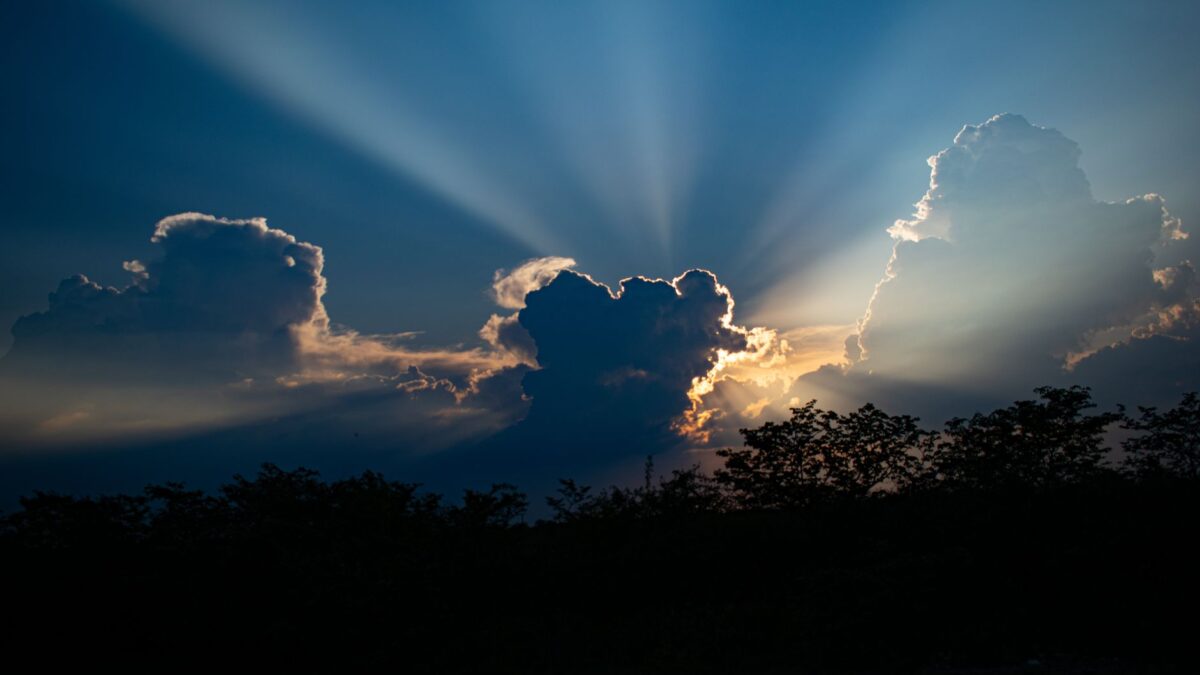 News & Updates
Botswana in August 2026: what travelers should know now
Botswana in August 2026: Gaborone's literary festivals, evictions, new restaurants, weather, costs, and practical tips for a timely visit.
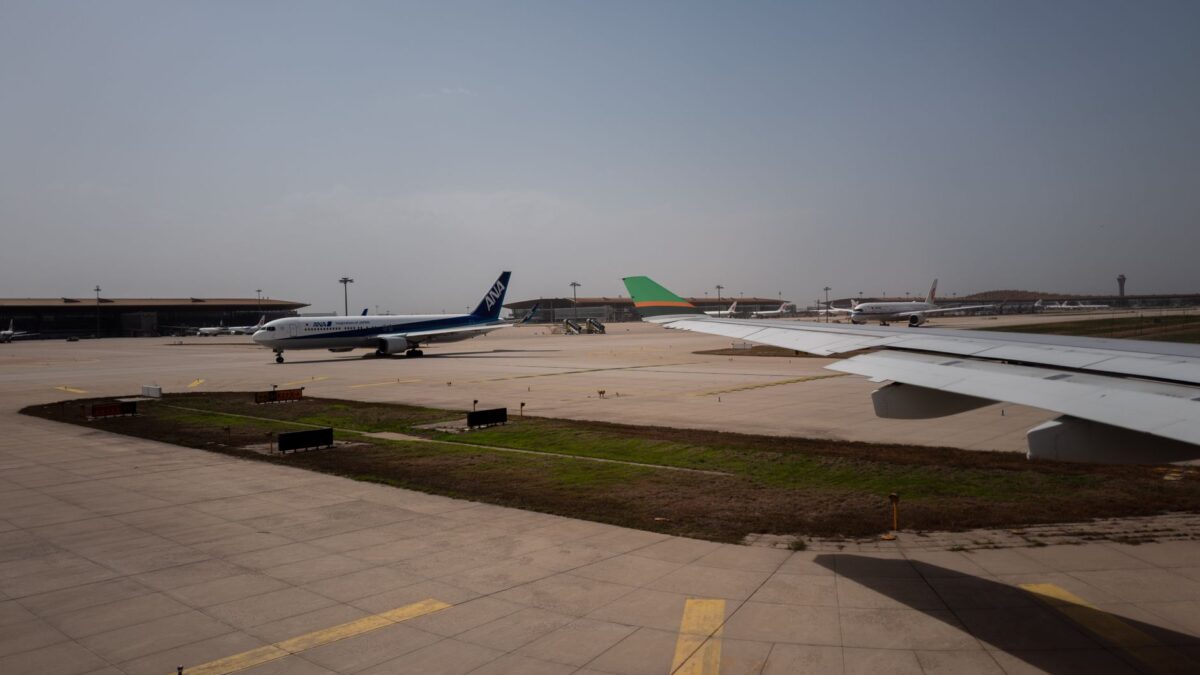 Getting Around
From the airport into Gaborone: every option and what it costs
From Sir Seretse Khama International Airport to Gaborone: real fares for GRT buses, combis, taxis, and private transfers. Practical costs in pula and when…
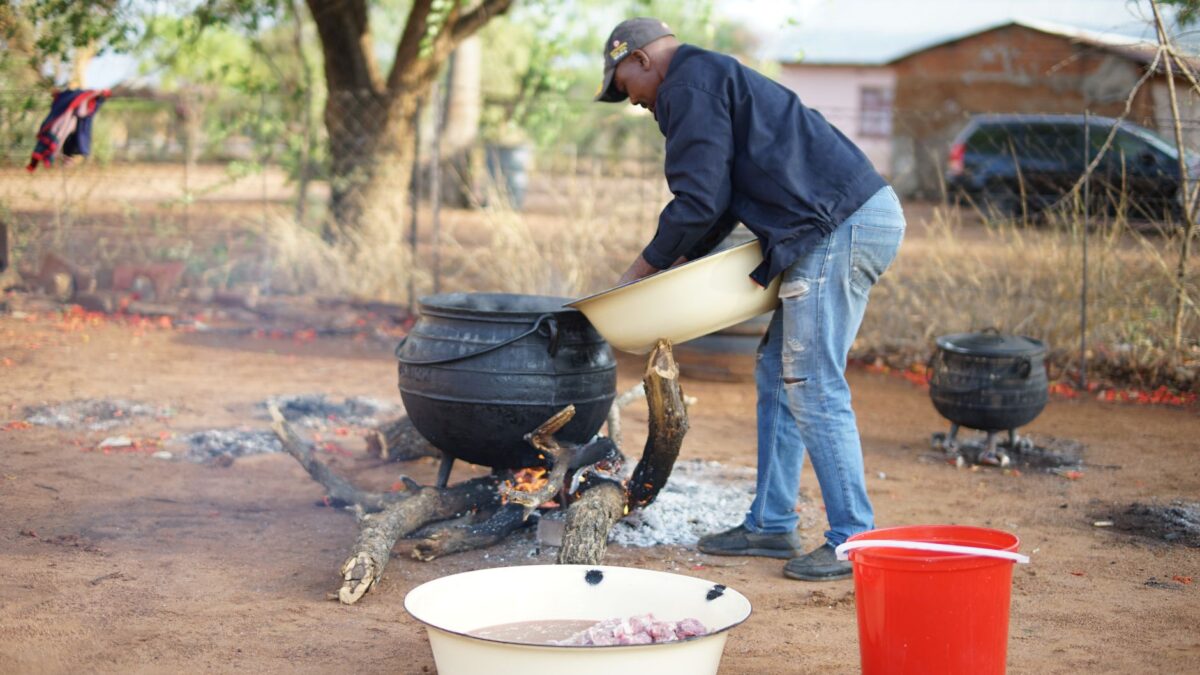 Food & Drink
What to eat in Botswana — and what it costs
Discover what to eat in Botswana with honest prices from street food to sit-down meals in Gaborone. Seswaa, braai, coffee, and more — from…
Southern Africa
 South Africa
South Africa Travel Podcast with Sipho Ndlovu
The Cape of Good Hope, the southwestern-most point of the African continent, anchors a coastline where the cold Atlantic and warmer Indian…
 Namibia
Namibia Travel Podcast with Helena Shipanga
The Namib Desert, after which the country is named, runs along nearly the whole coast, and much of that strip is protected…