

Ethiopia etiquette: the dos and don’ts
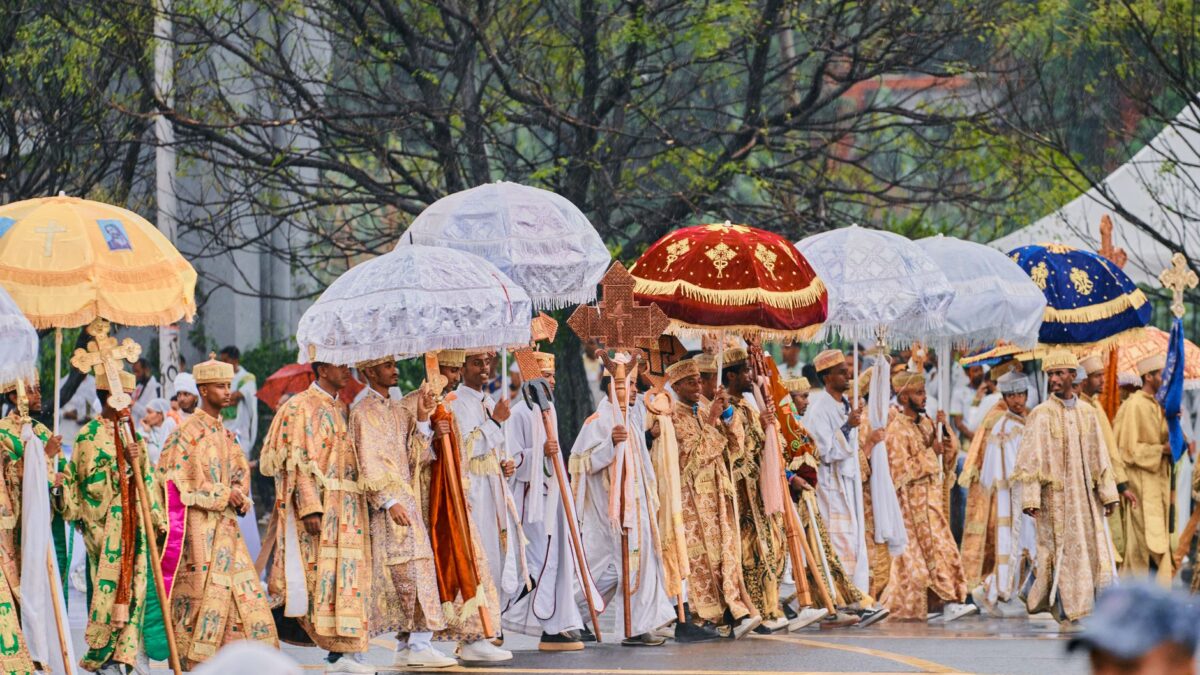
The air in Addis Ababa hits you first—not just the altitude, which makes your lungs work a little harder as you step off the plane at Bole International Airport, but the scent. It is a complex perfume of roasting green coffee beans, woodsmoke from charcoal stoves, and the earthy tang of fresh injera fermenting in clay pots. This city, perched at over 2,400 meters, does not suffer from polite distance. It demands presence. To visit Ethiopia is to be pulled into its rhythm, whether you are navigating the labyrinth of Merkato or sitting cross-legged on a plastic stool in a local restaurant. If you want to move through this country with grace rather than friction, you must learn the small, unspoken rules that bind us together.
The Art of Connection: Greetings and Respect
In Ethiopia, a greeting is not a formality; it is an investment of time. You will often hear elders say, “Don’t rush.” When you meet someone, especially an elder or a person of status, do not expect a quick handshake and a “how are you?” You are expected to ask about their health, their family, and their work. If you are visiting a home, the ritual deepens. You may be offered coffee before any other business is discussed. To refuse immediately can be seen as dismissive. Accept the cup, sip the bitter brew (buna), and engage in the conversation. This is the social glue of the nation.
Respect for hierarchy and age is woven into daily life. When entering a room, wait for the eldest person to sit or speak first. In churches and mosques, dress is not merely about modesty; it is about reverence. Shoulders and knees must be covered. Remove your shoes before entering a church, and never point your feet at religious icons or people. The right hand is used for eating, shaking hands, and passing objects; the left is traditionally reserved for hygiene and should never be used to offer food or greetings.
Dining Like a Local: Hands, Injera, and Hospitality
Eating in Ethiopia is a tactile experience. The staple, injera—a spongy flatbread made from fermented teff flour—serves as both plate and utensil. You tear off pieces of injera to scoop up stews like doro wat (spicy chicken) or shiro (chickpea stew). There is no silverware required, though you will find forks in upscale hotels. The key etiquette rule is simple: eat only from the section of injera directly in front of you. Do not reach across the platter to grab food from another person’s side; this is considered unhygienic and rude. Instead, ask politely for the dish to be passed.
Hospitality here is profound. If you are invited to eat, you are expected to try everything served. Leaving a small amount of food on your plate signals that you are satisfied; finishing every crumb might imply the host did not provide enough. Tipping is appreciated but not strictly mandatory in casual spots, though leaving some change is a kind gesture. In mid-range restaurants, a tip of 10% is standard if service isn’t included. For a meal costing around 300–600 ETB ($8), rounding up or leaving small bills shows appreciation without being extravagant.
Transport, Traffic, and Navigating the City
Addis Ababa is a city of contrasts, where ancient traditions collide with rapid modernization. Getting around requires patience and flexibility. Public transport is affordable but chaotic. The blue-and-white minibus taxis are the lifeline of the city, costing roughly 5–20 ETB ($0.2) per ride. They do not have fixed stops; you flag them down and shout your destination. Be prepared to squeeze in with others. For a more comfortable option, ride-hailing apps like Ride, Feres, or ZayRide are reliable and safe, particularly in the Bole district. A short private taxi ride across town might cost 100–200 ETB ($2.7).
A critical update for travelers: two-wheeled motorcycles are banned outright across Addis Ababa indefinitely. This policy, enforced with arrests, removes a common cheap-taxi option from the streets, so do not rely on finding a motorcycle taxi. Additionally, traffic congestion is severe. During major events, such as the Irreechaa thanksgiving festival—which brings mass gatherings to Hora Finfinne in Addis and Lake Hora Arsadi in Bishoftu—expect heavy crowds and significant road disruptions. Plan extra time for travel, especially on weekends when locals flock to these cultural sites.
Dress Code and Cultural Sensitivity
While Addis Ababa is cosmopolitan, dressing conservatively is always respectful. In business settings and religious sites, men should wear long trousers and collared shirts; women should avoid revealing necklines or short skirts. Casual wear in districts like Bole or Kazanchis is more relaxed, but shorts and tank tops may draw unwanted attention or seem disrespectful in older neighborhoods like Piazza or near Holy Trinity Cathedral. Remember, Ethiopia is one of the oldest Christian nations in the world, and Islam is also deeply rooted; modesty bridges both faiths.
Photography is a sensitive area. Always ask permission before taking photos of people, especially in markets like Merkato or rural areas. Some individuals may request payment, while others may decline due to religious beliefs. Similarly, photographing government buildings, military installations, or infrastructure is prohibited. When visiting landmarks like Unity Park or the National Museum, follow staff instructions regarding flash photography, which can damage artifacts. Your camera is a tool for connection, not intrusion.
Practicalities: Money, Safety, and Staying Connected
Cash is king in Ethiopia. While cards are accepted in larger hotels and restaurants in Bole, most local vendors, street food stalls, and smaller shops operate exclusively in Ethiopian birr (ETB). Carry small denominations, as change can be scarce. ATMs are available but may run out of cash during peak times. Mobile money services like Telebirr (via Ethio Telecom) and M-Pesa (via Safaricom Ethiopia) are growing rapidly, allowing you to pay for goods and services digitally once you have a local SIM card. Buy your SIM at Bole Airport or authorized shops using your passport; it unlocks essential connectivity.
Safety in Addis is generally good in tourist-heavy areas like Bole, which remains calm and walkable. However, keep valuables hidden in crowded places like Merkato, Africa’s largest open-air market. Political demonstrations can occur, and while rare in central districts, it is wise to avoid large gatherings. Stay informed about current events, as regional conflicts, such as those involving Tigray, can lead to sudden changes in flight schedules or travel restrictions. Foreigners are currently barred from traveling to the Tigray region, so plan your itinerary accordingly. With respect, curiosity, and a willingness to adapt, your journey through Ethiopia will be nothing short of transformative.
Frequently asked questions
What is the proper way to greet elders in Ethiopia?
Greet elders with respect by asking about their health and family before discussing business. Use both hands or your right hand when shaking hands, and allow them to initiate physical contact if they prefer.
How do I eat injera without breaking etiquette?
Use your right hand to tear pieces of injera and scoop food only from the section directly in front of you. Never reach across the communal platter to take food from another person's portion.
Is it safe to use public transport in Addis Ababa?
Public transport like minibuses is affordable and widely used but can be chaotic. For safety and ease, use ride-hailing apps like Ride or Feres, especially at night or in unfamiliar areas.
Are motorcycles allowed as taxis in Addis Ababa?
No. Two-wheeled motorcycles are banned outright across Addis Ababa indefinitely, including for taxi use. Rely on minibuses, shared taxis, or ride-hailing apps instead.
What should I wear when visiting churches in Ethiopia?
Cover your shoulders and knees. Remove your shoes before entering a church. Modest dress is required out of respect for the religious significance of these sites.
Things to do in Ethiopia
 Omo Valley Tours from Jinka
 Addis Ababa- Guided city tour with museum and market
 Addis Ababa City Tours Full Day With Hotel Pickup And Drop Off.
 Addis Ababa: Customizable Food, Markets, Coffee & Culture Tour
 Discover Addis Ababa:Museums,Churche,Markets,Landmarks & Coffee
 3-Day Arba Minch & Konso: Culture, Wildlife & Local Tour