

A week in Colombo on a mid-range budget
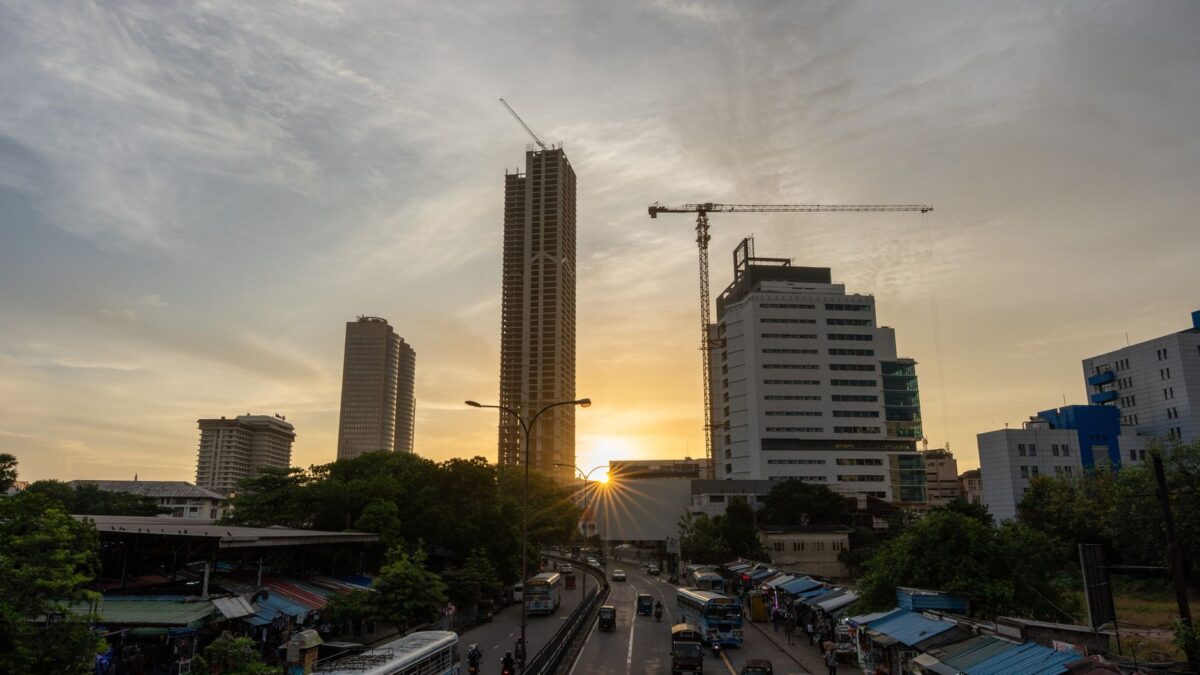
The humidity hits you first—a warm, wet blanket that smells faintly of salt and frying curry leaves. It is late afternoon in Colombo, and the air feels like it weighs a few kilos more than usual. But as the sun begins to dip behind the Lotus Tower, casting long shadows across Galle Face Green, the city settles into a rhythm that is both chaotic and deeply welcoming. You are here for a week, living on a mid-range budget, and I am going to show you exactly how far your money goes when you stop trying to be a tourist and start living like a local.
Day 1: Settling In and The Cost of Home
Your week starts with accommodation. Colombo’s rental market is steep; a modest one-bedroom flat in the city centre can run you around ₨182,500 a month, which is roughly two average salaries. But for a traveler, you do not need to rent. You need a hotel room in a strategic district. Look toward Kollupitiya or Cinnamon Gardens. A boutique stay at Lavonca Boutique Hotel or a reliable option like Kreation Hotel & Restaurant will set you back between ₨10,000 and ₨15,000 per night depending on the season. This is your anchor.
Once checked in, head straight to the food. Forget the fancy resort buffets for now. Your first meal should be at a local eatery in Pettah or near your hotel. A simple plate of rice and curry, steaming hot with spicy chicken or fish, costs about ₨400 to ₨800 (roughly $1.80). It is filling, authentic, and the best way to wake up your palate. End the day with a walk along Marine Drive. If you want a coffee, Grind or Radicle Specialty Coffee offer excellent cups for around ₨801 ($2.40), but honestly, the street-side issu wade (prawn fritters) from the vendors near Galle Face Green are cheaper and just as addictive.
Day 2: The Colonial Heart and Street Food
Today, you explore Fort, the historic business core. Walk off your breakfast by crossing the bridge to the Old Parliament building and then into the Dutch Hospital precinct. This 17th-century warehouse complex has been beautifully restored into a courtyard dining and shopping area. While browsing the boutiques, resist the urge to dine inside immediately; prices here skew higher. Instead, grab a snack.
For lunch, find a spot serving kottu roti. Whether it is a small shop in Pettah or a slightly larger establishment, a plate of chopped godamba roti with egg and meat runs about ₨500 to ₨900 locally, though trendy spots might charge up to ₨1,500. Aim for the lower end. In the evening, return to Galle Face Green. This is the social heart of Colombo. For dinner, sit on the grass and order from the stalls. An isso wade, some string hoppers, and a fresh coconut water will cost you roughly ₨800 to ₨1,500 total. It is an experience worth every rupee.
Day 3: Culture, Temples, and Transit
Colombo’s public transport is affordable if you know how to use it. A single bus fare is only about ₨56, and a monthly transit pass is roughly ₨2,347 ($7). However, for a week-long stay, booking tuk-tuks via apps like PickMe or Uber is often more convenient and still reasonable. A short ride within the city usually starts at a flagfall of ₨125, adding about ₨115 per kilometer.
Spend your morning in Cinnamon Gardens visiting the Colombo National Museum. Entry is nominal, allowing you to see the royal regalia of Kandy and centuries of history housed in an Italianate white building. Afterward, take a short tuk-tuk ride to Gangaramaya Temple and Seema Malaka. The floating shrine on Beira Lake is serene and free to enter. For lunch, try Life’s Good Kitchen or similar mid-range cafes where a three-course meal might set you back around ₨2,500–₨3,500. Dinner can be a mid-range restaurant experience; a three-course dinner for two at a place like Big Plate or WILDISH averages ₨8,463 ($26). Split this with a companion, and it becomes very manageable.
Day 4: The Chaos of Pettah and Local Flavors
Pettah (Colombo 11) is sensory overload in the best possible way. Streets specialize by product: Sea Street for gold, others for electronics and spices. Navigate carefully, keeping your bags close. Visit the Jami Ul-Alfar Mosque, known as the Red Mosque, for its striking candy-striped facade. It is a photo opportunity, but also a reminder of the city’s multicultural layers.
Lunch in Pettah is an adventure. Find a small stall selling egg hoppers (appa). These bowl-shaped crepes cost between ₨150 and ₨350 each. Pair them with a cup of strong local tea or coffee. In the afternoon, head to Viharamahadevi Park for a rest. As evening falls, treat yourself to a local beer. A bottle of draft beer at a casual bar or pub costs around ₨745 ($2.00), while a bottled version is slightly less at ₨642. It is a cheap indulgence that pairs well with the cooling sea breeze if you walk back towards the coast.
Day 5: Nature, Zoo, and Sunset Seafood
Take the coastal rail line south from Fort. It is a cheap, scenic commuter option that drops you off near Mount Lavinia. Visit the Dehiwala Zoological Gardens, one of the oldest zoos in Asia. Entry fees are low, typically under ₨1,000 for foreigners, making it an easy addition to your daily spend.
For dinner, you must have seafood at the Mount Lavinia Hotel or a nearby beach shack. While the hotel itself is upscale, many visitors opt for the buffet or à la carte options that, while pricier than street food, remain competitive compared to Western standards. Alternatively, stick to the local vibe: fresh grilled fish and rice at a seaside eatery. Keep your total under ₨3,000 for a solid meal. Before heading back, watch the sunset over the Indian Ocean. The sky turns purple and orange, reflecting off the waves. It is free, and it is magic.
Budget Breakdown: What Does a Week Actually Cost?
Let us tally this up. Accommodation: ₨70,000–₨105,000 for five nights (assuming a 5-night stay for a weekly cycle). Food: You are eating well for about ₨3,000–₨4,000 per day. That is ₨21,000 for meals. Drinks and snacks: Add another ₨5,000 for coffees, beers, and fruit. Transport: Using a mix of buses and app-based tuk-tuks, you might spend ₨5,000 total for the week. Attractions: Museums and temples are either free or very cheap; budget ₨2,000 for entry fees and souvenirs.
Total estimated cost for a comfortable mid-range week in Colombo: approximately ₨100,000 to ₨120,000 (roughly $300–$370 USD). This is incredibly value for money, especially considering the quality of food and hospitality. Just remember, inflation is creeping up—restaurant dishes rose by ₨20 in April 2026 due to gas costs—but even so, Colombo remains one of the most affordable capitals in South Asia for travelers who know where to look.
Practical tip: Ensure you have a local SIM card. Dialog Axiata offers the best coverage (~95% 4G). Tourist SIMs cost around LKR 1,000 and require passport registration at the airport arrivals. Also, be wary of the classic “temple is closed, visit my gem shop” pitch. Ignore it. Colombo is safe, vibrant, and waiting for you to explore it on your own terms.
Frequently asked questions
Is Colombo expensive for tourists?
No, Colombo is very affordable. A mid-range weekly budget including accommodation, meals, and transport typically totals around LKR 100,000–120,000 ($300–$370 USD).
How much does a typical meal cost in Colombo?
Local street food like rice and curry costs LKR 400–800. Mid-range restaurant dinners for two are around LKR 8,463. Coffee is approx LKR 801.
What is the best way to get around Colombo on a budget?
Use the national 'PassRe' tap card for buses (LKR 56 per ride) or book tuk-tuks via PickMe/Uber apps for convenience and fair pricing.
Do I need a visa to visit Colombo?
Most tourists enter on an ETA (approx US$50) valid for 30 days. Verify current fee waivers for specific nationalities like India, China, and Russia before booking.
Things to do in Sri Lanka
 Private City Day Tour in Anuradhapura
 Private Car & Driver for 07 Days Tour In Sri Lanka
 Chauffeur guide and Tour organizer
 Highly recommended multi day tour in Sri Lanka
 Udawalawe National Park Half Day Jeep Safari (Private Tour)
 Private Traditional Sri Lankan Cooking Class in Kandy with Hotel Transfers