

Laos etiquette: the dos and don’ts
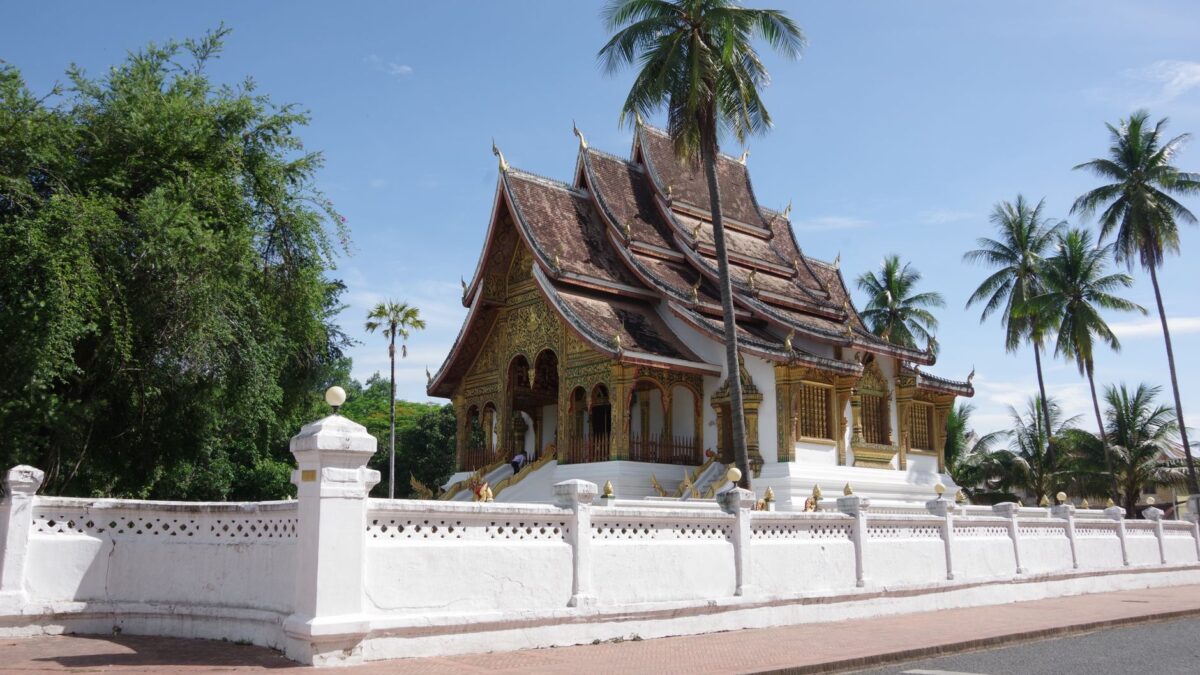
The humidity in Vientiane doesn’t just sit on you; it wraps around your shoulders like a warm, wet towel. It is early October, the tail end of the monsoon, and the air feels thick with the promise of rain. You are standing near the Nam Phou Fountain, watching the Mekong swell, muddy and brown from recent surges, moving slowly past the riverside promenade. Locals here move with a deliberate, unhurried grace, sliding through the sticky heat with bare feet or sandals, heads bowed slightly in greeting. To walk into this rhythm without knowing the steps is to stand out like a neon sign. But if you learn the small customs—the way you hold your hands, how you share a meal, what you wear when you step onto temple grounds—you stop being a tourist and start becoming a guest. Laos is not about grand gestures; it is about the quiet dignity of everyday life. Here is how to navigate it with respect.
The Sacred Gesture: Wai and Greetings
In Laos, the primary greeting is the wai. It is not merely a wave or a nod; it is a folding of the palms together in prayer-like fashion, accompanied by a slight bow. The height of your hands relative to your face signals the level of respect. When greeting elders or monks, place your fingertips at nose level or slightly higher. For peers, hands at chest level suffice. Crucially, do not initiate a wai with children; they will return it out of instinct, but as an adult, you should wait for them to lead or simply offer a warm smile and a verbal greeting.
Head etiquette is equally important. The head is considered the most sacred part of the body, housing the soul. Never touch someone’s head, even affectionately, as this is deeply offensive. Conversely, never point your feet at people or Buddha images. If you are sitting on the floor, tuck your legs beneath you so your soles are hidden. When passing someone, especially an elder, it is polite to lower your body slightly as you pass, acknowledging their presence without disrupting their space.
Dining with Respect: Sticky Rice and Shared Plates
Lao food is communal, vibrant, and often spicy. The staple is khao niao (sticky rice), which is eaten with the right hand. You take a small ball of rice, flatten it slightly, and use it to scoop up dips like jaew or pieces of meat. While spoons and forks are common for soup-based dishes like khao piak sen (rice noodle soup), using your hands for sticky rice shows you understand the culture. If you are invited to a home, wait for the host to begin eating before you start. It is also customary to leave a small amount of food on your plate to signal you are satisfied; finishing everything can imply the host did not provide enough.
Tipping is not mandatory in Laos, as service charges are sometimes included, but it is appreciated. In local eateries where a bowl of noodles costs around 35,000–50,000 LAK (roughly $1.70–$2.80), leaving small change or rounding up is a nice gesture. At mid-range restaurants, such as those in the Chanthabouly district where a meal for two might run 400,000 LAK ($23), a tip of 5-10% is generous. Avoid tipping with small denomination kips if possible; crisp US dollars are widely accepted and preferred for larger tips. Remember, money exchanged for services should be given with both hands or the right hand, never tossed casually.
Dress Code: Modesty and Practicality
Vientiane is hot and humid, but dress matters, particularly when visiting religious sites. Temples like Wat Si Saket or the golden Pha That Luang require covered shoulders and knees. Sleeveless tops, short shorts, and skimpy beachwear are disrespectful inside temple precincts. Carry a lightweight scarf or sarong in your bag; it solves the problem instantly and doubles as protection against the sun or sudden downpours. For general city wear, loose, breathable fabrics are key. Given the current weather—feeling like 35°C with afternoon thunderstorms—quick-dry materials are wise.
In rural areas or when meeting village elders, modesty is even more critical. Men should avoid wearing sleeveless shirts, and women should ensure skirts or pants cover the knees. Even in the trendy cafes of Sisattanak or the university district of Dongdok, where expats and students frequent places like KOOS Coffee or Common Grounds, smart-casual attire is the norm. Dressing neatly shows you value the occasion and the people you are with.
Small Customs That Matter
Laos is a Buddhist country, and this faith permeates daily life. When you see monks walking for alms in the early morning, do not touch them or their bowls. Women must not physically touch a monk; instead, place offerings in the bowl held by a man. Do not photograph monks without permission, and never pose with them. Inside temples, remove your shoes and hats. Speak softly. If you hear chanting, pause and listen; it is a moment of community reflection.
Alcohol culture is strong, particularly beer. Beerlao is the national drink, served draft for around 29,000–30,000 LAK ($1.70). Toasting is common, but always pour for others before pouring for yourself. A simple “Sabaidee” (hello/good health) or “Ua Pho Ga” (cheers) accompanies the clink of glasses. However, public drunkenness is frowned upon. Laotians prefer a calm demeanor; losing control is seen as a loss of face.
Money handling has its own rules. Always give and receive money with your right hand or both hands. Never count money loudly in front of others, as it can be seen as greedy or distrustful. If paying with kips, be aware that the currency has devalued significantly, so prices may seem high in local terms but cheap in USD. Keep small bills handy for street vendors and tuk-tuks. Tuk-tuk fares should be agreed upon before getting in, typically ranging from 20,000 to 50,000 LAK depending on distance. Haggling is acceptable but do it with a smile; aggression has no place here.
Finally, patience is your greatest ally. Bureaucracy moves slowly, traffic can be chaotic, and plans may shift due to weather. The Lao concept of “mai pen rai” (no worries/it’s okay) is not just a phrase; it is a philosophy. Embrace the flow rather than fighting it. When you arrive at a place like the Talat Khua Din market in Sikhottabong, don’t rush. Sit, watch, and engage. The locals are friendly and curious. A genuine interest in their language, even a broken “Khop Jai” (thank you), opens doors that money cannot buy. Travel lightly, travel respectfully, and let Laos reveal itself to you in its own time.
Frequently asked questions
How much should I tip in Laos?
Tipping is not mandatory but appreciated. In local eateries, rounding up or leaving small change is fine. At mid-range restaurants, a 5-10% tip is generous. Crisp US dollars are preferred for larger tips over kip.
What should I wear when visiting temples in Vientiane?
You must cover your shoulders and knees. Sleeveless tops and short shorts are disrespectful. Carry a lightweight scarf or sarong to drape over yourself if needed, especially given the hot and humid climate.
Is it okay to take photos of monks?
No, never photograph monks without explicit permission. Additionally, women must not physically touch a monk or their alms bowl; place offerings in the bowl held by a man instead.
How do I greet people in Laos?
Use the 'wai'—folding palms together in a prayer-like gesture and bowing slightly. For elders, raise hands to nose level; for peers, chest level is sufficient. Avoid touching anyone's head.
What is the best way to handle money in Laos?
Always give and receive money with your right hand or both hands. Count money quietly. Keep small bills for street vendors and transport, as the kip has devalued significantly, making USD useful for larger transactions.
Things to do in Laos
 Laos Buffalo Dairy Tours Interact, Learn and Taste Fresh Flavors
 Luang Prabang: Craft Your Own Aroma Candle in Heritage Home
 Evening Bamboo weaving & Cooking classes join-in
 Pony Riding in Luang Prabang
 Home-cooked dinner & Baci ceremony with Villagers in Ban Nasang
 Luang Prabang Cuisine & Culture: The Hungry Tuk Tuk