

The best time to visit Chile
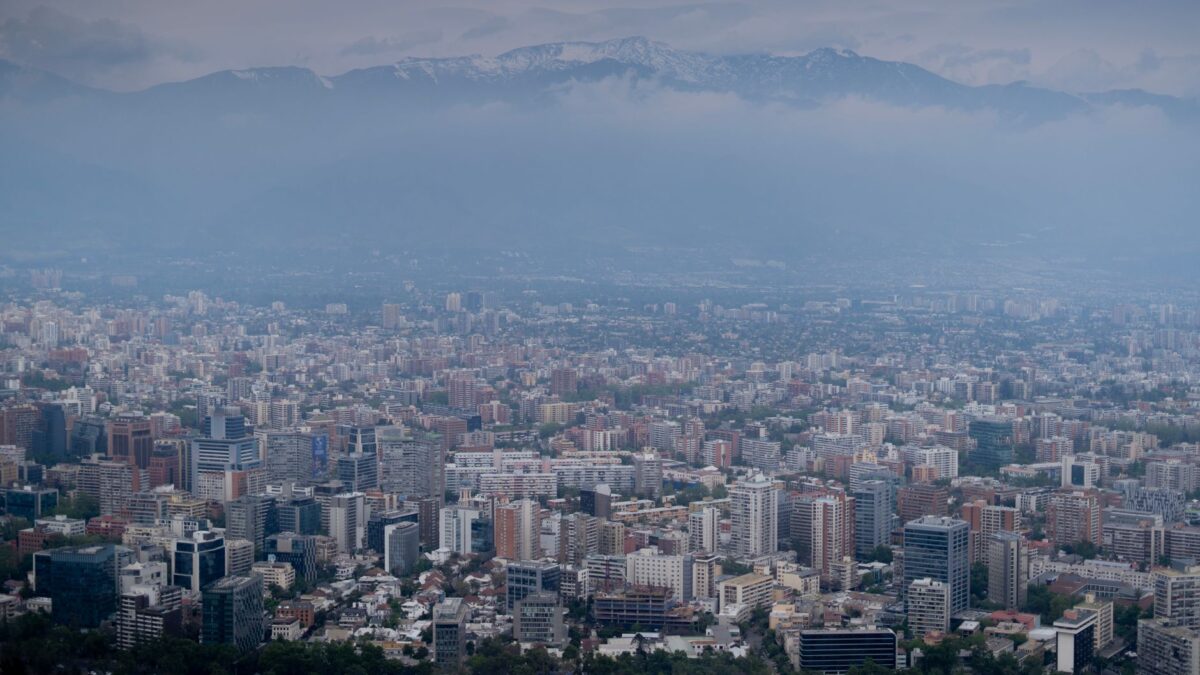
There is a specific quality to the light in Santiago in early October. It hits the Andes with a sharp, crystalline clarity that turns the snow-capped peaks into blinding white giants against a deep blue sky. The jacaranda trees along the avenues are just beginning to unfurl their purple blooms, and for a few fleeting weeks, the city feels less like a concrete sprawl and more like an open-air garden. If you are planning your trip to Chile, timing is everything. This is not a country where you can simply show up; you need to align your calendar with the weather, the crowds, and the rhythm of local life.
Spring: The Golden Window (September – November)
For most travelers, spring is the sweet spot. In September and October, you escape the heavy winter rains of the south and the dry heat of summer. As I write this from Santiago, the forecast shows temperatures hovering around 10–17°C, with light rain clearing to bright days. It is the season when locals flock to outdoor terraces and festivals, sensing the thaw.
October, in particular, offers a balance of comfort and culture. You will find fewer tourists than in December, meaning better availability at hotels and restaurants. The air is crisp enough for layering but warm enough for long walks through Barrio Lastarria or up to Cerro San Cristóbal. If you visit in mid-October, you might catch the Smithsonian Entre Estrellas immersive exhibition opening at Cenco Costanera, or enjoy the FFAST 6 contemporary art festival filling the NIDO Lucía building with free projects. The weather is mild, the cities are vibrant, and you avoid the peak-season price surges.
Summer: Heat, Hikes, and High Prices (December – February)
Chile’s summer is its high season, and it brings intense energy—and higher costs. From December through February, the central valley bakes under strong sun. Temperatures often soar past 30°C (86°F). This is the time for hiking in the Cajón del Maipo gorge or skiing north in the Andes, but it is also when Santiago’s eastern comunas—Las Condes, Vitacura, and Providencia—fill with domestic tourists and expats on break.
If you choose summer, expect to pay more. While a modest one-bedroom flat in the city centre might rent for around CL$500,000 monthly in off-peak times, short-term stays spike. A meal at a mid-range restaurant could set you back CL$12,000–18,000 per person, and a craft beer at a bar might cost CL$4,000. However, the trade-off is the vibrancy. Nightlife in Bellavista is electric, and day trips to the wine valleys of Maipo and Casablanca are perfect before the afternoon heat sets in. Just book your accommodation well in advance.
Autumn: Crisp Air and Cultural Depth (March – May)
As the heat breaks, autumn reveals a different side of Chile. March and April bring stable, sunny days and cooler evenings, ideal for exploring the historic center without the sweat of summer. The crowds thin out, and prices for flights and hotels begin to drop. This is a fantastic time for foodies, as the harvest season ends and restaurants showcase seasonal produce from La Vega market.
In late autumn, the light becomes softer, perfect for photography. You can wander through the Museo Chileno de Arte Precolombino or visit the Museum of Memory and Human Rights in Quinta Normal with shorter lines. Transit remains efficient and affordable; a single Metro ride during non-peak hours is about CL$735, and the integrated Bip! card makes navigating the sprawling city seamless. If you prefer a quieter, more introspective travel experience, aim for April.
Winter: Snow Sports and Urban Coziness (June – August)
Winter in Chile is two distinct experiences. In the capital, it is grey, damp, and chilly, with average lows dropping below 5°C. Rainfall increases, and the Andes loom large and dark. However, this is the prime season for skiing. Resorts like El Colorado, La Parva, and Valle Nevado are fully operational, often within an hour’s drive from Las Condes. If you are an adrenaline seeker, June to August is your window.
For those staying in the city, winter encourages a cozy, café-centric lifestyle. Santiago has a booming specialty coffee scene. Grab a cappuccino at Perfil Coffee or Casa Salvo Café for around CL$3,500, and wrap up in layers while browsing the bookshops in Lastarria. Public transport is reliable, though you may want to use Uber or Cabify for longer evening trips, especially in areas like Santiago Centro where pickpocketing can be a concern after dark. Stick to the safer eastern districts like Providencia or Lo Barnechea for nightlife, or take a taxi home if you are in Bellavista late at night.
Practical Tips for Any Season
Regardless of when you visit, Chile requires some logistical planning. Entry is visa-free for US, Canadian, UK, EU, and many other nationals for 90 days. Upon arrival, you will receive a Tarjeta Única Migratoria (TUM) from the PDI. Keep this card safe; hotels use it to waive the 19% VAT on your stay, and you must present it upon exit. Overstaying carries fines and potential re-entry bans.
Budgeting wisely is key. Chile is the priciest country in South America, but daily costs remain manageable if you know where to look. A simple empanada from a street vendor costs about CL$1,000–2,500, while a menu del día (set lunch) at a local eatery runs CL$8,000–12,000. For transit, buy a rechargeable Bip! card at any Metro station. The system covers both the Metro and the red bus network (the Red), with a monthly spending cap of CL$42,000 to protect frequent commuters.
Finally, respect the seismic reality. Earthquakes are routine here. Buildings are engineered to withstand them, but always note emergency exits. Whether you are sipping wine in Colchagua, trekking in Patagonia, or navigating the bustling streets of Santiago, choosing the right month ensures you see the best of this elongated, diverse nation.
Frequently asked questions
What is the best month to visit Santiago for mild weather?
October is often considered the best month, offering mild temperatures around 10–17°C, blooming jacarandas, and fewer crowds than the summer peak.
How much does public transportation cost in Santiago?
A single Metro fare is approximately CL$735–895 depending on the time, and a Bip! card provides access to both Metro and buses with a monthly cap of CL$42,000.
Do I need a visa to enter Chile as a tourist?
Nationals from the US, Canada, UK, EU, Australia, and Japan do not need a visa for stays up to 90 days, provided they have a valid passport and return ticket.
Is Santiago safe for tourists at night?
Eastern districts like Providencia and Las Condes are very safe. In central areas like Bellavista or Santiago Centro, use app-based taxis like Uber after dark to avoid pickpocketing.
When is the ski season in the Andes near Santiago?
The ski season typically runs from June to mid-October, making winter months the ideal time for resorts like Valle Nevado and El Colorado.
Things to do in Chile
 Guided Half Day Kayak Tour with Picnic in Villa la Angostura
 Gong Bath in the Magic Forest in San Pedro de Atacama
 Villarrica Volcano Ascent
 Guided Kayak Trip on Liucura River
 Valpo in 1 day: Authentic + Famous! Semi-private walking tour & public transport
 Private Full Day Tour on Easter island "The Highlights"