

What to eat in Czechia — and what it costs
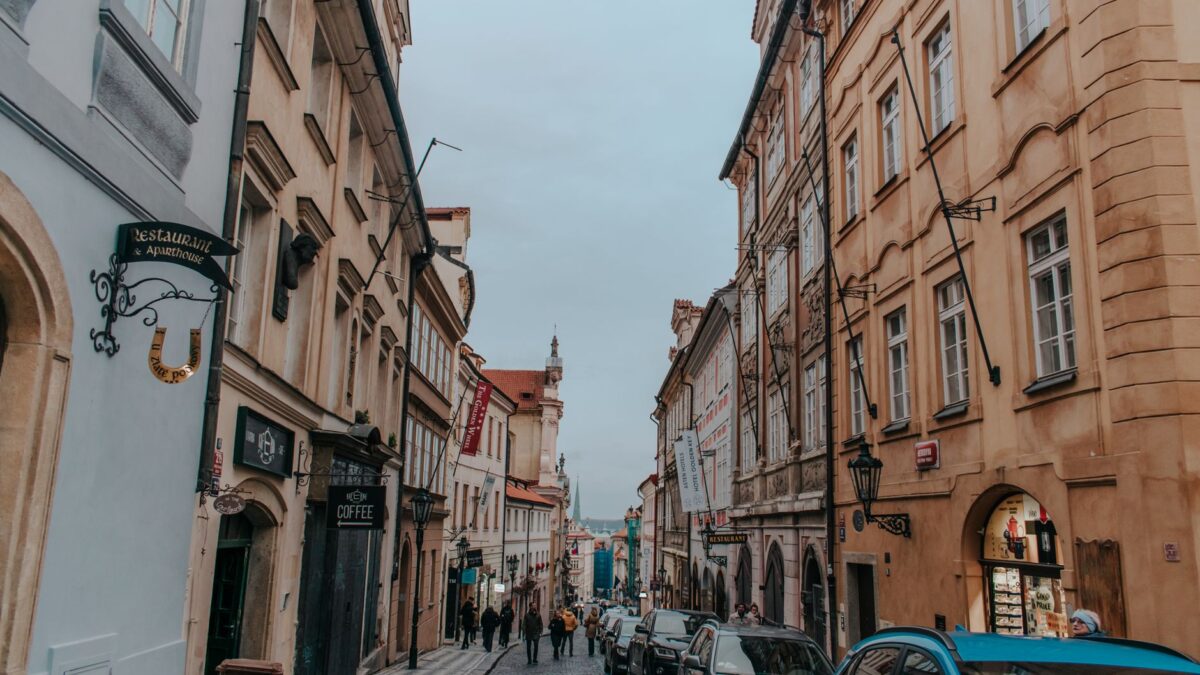
There is a specific smell that hits you when you step out of the metro at Náměstí Míru in Vinohrady on a crisp October morning. It’s not just the damp, earthy scent of falling leaves from Riegrovy Sades; it’s the sharp, yeasty aroma of burčák (young wine) and roasting pumpkins. Early autumn in Prague is the city’s culinary secret season. The summer crowds have thinned, the light festivals are lighting up the castle walls, and the menu shifts toward hearty, warming traditions that define Czech soul food.
As a local host, I often hear tourists ask if Czech food is just heavy, greasy, and boring. The answer is a resounding no. Yes, there is dumplings and yes, there is meat. But the quality varies wildly between tourist traps and neighborhood staples. If you know where to look, you can eat like royalty on a budget. Let me walk you through what to eat, where to find it, and how much it will actually cost you in the current economic climate.
The Daily Ritual: Denní Menu
If you only learn one phrase in Czech, let it be denní menu—the daily lunch special. In Czechia, lunch is still the main meal for many locals, served strictly between 11:00 and 13:00. This is your golden ticket to affordable, high-quality dining. Skip the €25 steak dinners near Charles Bridge and head into the districts.
In Karlín, the ‘new classic’ district reinvented after the floods, you’ll find places like Kantýna. It’s a cultural hub with an art gallery and a canteen-style restaurant. You can grab a home-cooked stew or roast pork with dumplings for roughly 180–250 CZK (about $9). It is honest food, served quickly, without the pretension of fine dining. Similarly, in Žižkov, known for its gritty charm and pub density, look for the daily specials at U Kroka. These weekday lunches offer a taste of traditional recipes—think goulash, svíčková (marinated beef), or fried cheese—at prices that feel almost nostalgic compared to Western Europe.
This is the heart of Czech hospitality. You sit down, you get a soup (usually borscht or chicken noodle), and then a substantial main course. For around 200 CZK, you are fed well, comfortably, and authentically.
Street Food and The Sweet Trap
Prague’s streets are lined with snacks, but you must navigate them with care. Two items dominate the sidewalk landscape: klobása and trdelník.
Klobása is a grilled sausage, usually served in a bun with mustard. It is delicious, smoky, and perfect for walking along the Vltava embankments. At a proper stall, expect to pay about 50–100 CZK ($3). However, avoid the stalls directly on Old Town Square; they are inflated by foot traffic alone. Head down to Smíchovská náplavka, the riverfront market area. On Saturdays, this transforms into a massive farmers’ market where you can buy fresh sausages, cheeses, and vegetables from local producers. The vibe is relaxed, the beer is cold, and the food is genuine.
Then there is trdelník. Often marketed as a traditional Czech chimney cake, it is actually more Turkish in origin but has been adopted enthusiastically by Prague street vendors. You will see them rolling in sugar and cinnamon right in front of you. The price ranges from 75–125 CZK ($4). Is it worth it? As a sweet treat while watching the fog roll over the Charles Bridge, absolutely. But do not mistake it for a full meal. It is dense, sugary, and best shared.
Dinner and Drink: Mid-Range Realities
When evening falls, the scene shifts. Prague remains one of Central Europe’s better-value capitals, though costs are rising. A mid-range restaurant meal, focusing on a main course, will run you 250–400 CZK ($14). This gets you a proper sit-down experience with service and ambiance.
For a sophisticated yet accessible dinner, consider Sad Man’s Tongue Bar & Bistro in Vinohrady. It is a favorite among locals who want something beyond the standard pub fare. Here, you might enjoy seasonal dishes that highlight local produce. If you prefer a more industrial-chic atmosphere, The Street Burgers offers excellent craft burgers and cocktails, bridging the gap between fast food and gastropub.
No meal is complete without drink. Czechia is the land of beer. A 0.5 L draft in a local pub costs about 55–80 CZK ($2.9). It is cheap by global standards, but quality matters. Avoid the neon-lit bars on Celetná street. Instead, go to Dva Kohouti in Karlín, a historic pub with a great beer garden, or explore the brewery culture in Smíchov near the Staropramen brewery. If you prefer wine, early October is the time for burčák, a young, cloudy wine sold at stalls throughout the city, particularly near parks like Havlíčkovy Sady.
Navigating Costs and Logistics
Traveling in Prague requires a bit of financial savvy. While food is affordable, other costs are climbing. A single tram or metro ticket has jumped to 39 CZK for paper tickets (36 CZK via the Lítačka app). A monthly transit pass is 550 CZK ($24), which is essential if you plan to hop between districts like Holešovice, where the DOX Centre for Contemporary Art is located, and the quieter Dejvice.
Housing costs reflect this inflation; a modest one-bedroom flat now rents for 19,900–26,500 CZK per month. For visitors, hotel prices vary, but a mid-range double room typically runs 1,000–1,460 CZK ($55). Budget accordingly.
Remember, cash is still king in many smaller eateries and markets, though cards are widely accepted in restaurants and cafes. Keep small bills for the street vendors. And if you are planning to stay longer than 90 days, note that visa-free entry applies to US, UK, Canadian, Australian, and NZ passport holders, but ETIAS authorization may be required by 2026.
Czech cuisine is not about complexity; it is about substance, warmth, and community. Eat the dumplings, drink the beer, and take your time. The food here is a reflection of the people: sturdy, welcoming, and deeply rooted in tradition.
Frequently asked questions
What is the best value meal in Prague?
The 'denní menu' or daily lunch special is the best value. Local spots like Kantýna in Karlín or U Kroka in Žižkov serve hearty traditional meals for 180–250 CZK ($9).
How much does a pint of beer cost in Prague?
A 0.5 L draft beer in a typical local pub costs between 55 and 80 CZK ($2.9). Prices are higher in tourist centers but remain affordable globally.
Is trdelník a traditional Czech dish?
No, it originated in Transylvania but is popularly sold as a street snack in Prague. Expect to pay 75–125 CZK ($4) for one from a street vendor.
Where can I find fresh local food markets in Prague?
Visit Smíchovská náplavka on Saturdays for a large riverside farmers' market, or Havelské tržiště in the Old Town for historic produce and meats.
Do I need cash for street food in Prague?
While most restaurants accept cards, street stalls selling klobása or trdelník often prefer cash. Keep small CZK bills handy for these purchases.


