

The best time to visit Czechia
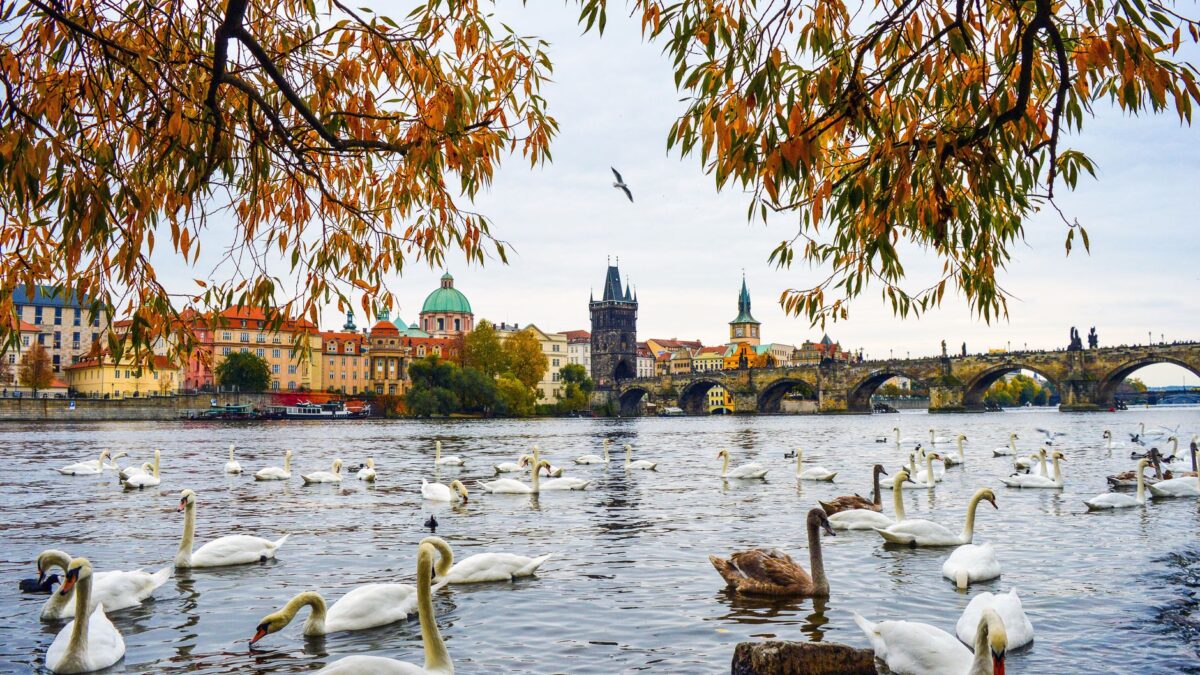
October in Prague is a masterclass in atmospheric transition. The summer humidity has broken, replaced by crisp air that turns the parks of Vinohrady and Letná into canvases of amber and rust. It is a time when the city shifts its rhythm: the tourists thin out just enough to breathe, but the cultural calendar ignites with light festivals and design weeks. If you are planning your visit, this is not just about picking a month; it is about choosing which version of Czechia you want to experience.
The Golden Autumn (September–October)
This is arguably the most photogenic season. As we move from September into October, the weather settles into a comfortable 7–21°C range. You will find yourself walking along the Vltava embankments or through the Prokopské údolí nature reserve without the oppressive heat of July. The leaves change in the parks, and suddenly, burčák (young fermented wine) stalls appear alongside pumpkin exhibitions at the Prague Botanical Garden.
Culturally, late autumn is vibrant. In early October, the city transforms for Designblok, taking over six venues including the Trade Fair Palace and the newly reconstructed Industrial Palace. Shortly after, the Signal Festival returns with video-mapping installations that illuminate the historic facades, turning landmarks like Charles Bridge into dynamic art pieces. Prices remain moderate compared to the peak summer surge. A mid-range hotel room might run you around 1,000–1,460 CZK ($55), and a weekday set lunch (denní menu) at a local spot is still a steal at roughly 180–250 CZK ($9).
Best for: Photographers, foodies, and travelers who prefer mild weather over beach heat.
The Winter Magic & New Year (November–February)
When the first frost hits Karlín or Žižkov, Prague enters its most enchanting phase. While November can be gray and damp, December brings the iconic Christmas markets in Old Town Square, lit by the glow of Týn Church. The Astronomical Clock ticks away as you warm up with mulled wine and trdelník (chimney cake), which costs about 75–125 CZK ($4) on the street.
Winter is also budget-friendly. Hotel rates drop significantly, though you must book early for the holiday period. Dining out remains affordable; a main course at a mid-range restaurant is approximately 250–400 CZK ($14). However, days are short, ending by 4 PM. If you stay out late, note that public transport runs on a reduced schedule, and single fares have risen slightly to around 39 CZK for a 30-minute ticket.
Best for: Romantic getaways, market lovers, and those seeking cozy pub atmospheres.
The Spring Awakening (March–May)
March is often unpredictable—expect snow one day and sunshine the next—but by April, the city blooms. This is the best time to explore the Jewish Quarter (Josefov) or hike up to Vyšehrad fortress without the sweat of summer. The Easter markets bring traditional crafts and wooden crosses to the streets, adding a unique cultural layer.
Prices begin to creep up as May approaches. A cup of coffee at a specialty roastery like La Bohème or Liberica Cafe will cost you between 40–75 CZK ($2.5). Public transit passes are efficient; the PID Lítačka app makes it easy to buy a 24-hour pass for 120 CZK, perfect for hopping between the National Museum and the lesser-known Stromovka park.
Best for: History buffs, hikers, and travelers wanting to see the city’s green spaces.
The High Summer Peak (June–August)
Summer is loud, bright, and expensive. Prague Castle and Charles Bridge are packed. Accommodation prices peak, and finding a mid-range double room can exceed 1,460 CZK ($55) easily. The weather is hot, often pushing past 25°C, which makes walking across the stone arches of the Charles Bridge less pleasant than in autumn.
However, the energy is unmatched. Riverfronts like Smíchovská náplavka buzz with activity, and outdoor concerts fill the Municipal House gardens. If you visit now, embrace the crowds. Use the integrated transit system (PID) to navigate efficiently. Remember, while tips are appreciated, service charges are rarely included, so rounding up is standard practice.
Best for: Nightlife enthusiasts, families with school holidays, and event-goers.
Practical Tips for Every Season
Getting Around: Prague’s transit network is excellent. Whether you use the metro, trams, or buses, a single ticket works across all modes. Download the PID Lítačka app to avoid buying paper tickets. For longer stays, a monthly pass is roughly 550 CZK ($24).
Eating Out: Look for denní menu (daily lunch menus) for the best value. A hearty goulash or schnitzel will cost you around 180–250 CZK ($9). For dinner, a pint of local draft beer at a pub like Dva Kohouti in Karlín is about 55–80 CZK ($2.9).
Visa & Entry: Most US, UK, and Canadian passport holders can enter visa-free for 90 days within any 180-day period under Schengen rules. Check if ETIAS authorization is required before your trip. If staying longer, you must register with the Foreign Police within three working days.
Districts to Stay: For a local vibe, consider Vinohrady or Karlín. Vinohrady offers leafy streets and Riegrovy Sads park, while Karlín is a foodie hub with great bakeries and coworking spaces. Both are well-connected to the center via metro.
Frequently asked questions
What is the cheapest month to visit Prague?
January and February are typically the cheapest months for accommodation and flights, excluding the Christmas/New Year holiday period.
Is Prague expensive in October?
October is moderately priced. Hotels average around 1,000–1,460 CZK ($55) per night, and meals are affordable, with lunch sets costing about 180–250 CZK ($9).
Do I need a visa to visit Czechia?
US, UK, and Canadian citizens do not need a visa for tourism stays up to 90 days within any 180-day period due to Schengen agreements.
How much does a beer cost in Prague pubs?
A 0.5L local draft beer typically costs between 55–80 CZK ($2.9) in most local pubs and bars.
What is the best district to stay in Prague?
Vinohrady and Karlín are popular choices for a local, expat-friendly vibe with great cafes and parks, while Malá Strana is ideal for historic charm.


