

How much does a trip to Thailand cost?
The air in Bangkok right now is thick enough to chew. It’s late September, and the city is drowning. I’m writing this from a café in Ari, watching the rain hammer down on the tin roofs, knowing that across the river in Rattanakosin, the streets are already swimming. If you’re planning a trip to Thailand now, you need to know that this isn’t your typical sunny-getaway budget calculation. We are in the tail end of a rainy season that has turned severe, with flood-disaster zones declared across all districts. Main roads are submerged, trains are delayed, and even Suvarnabhumi Airport is struggling with staff shortages and wheel-wear inspections on the new Airport Rail Link operator. But if you can navigate the water and the heat, the costs remain surprisingly manageable—if you know where to look.
Accommodation: Where to Park Your Suitcase
In normal times, Bangkok offers everything from $10 hostels to $500 luxury suites. Today, however, availability is tight because so many travelers are stranded or rerouting due to the flight cancellations by Thai Airways. If you can find a room, prices have held steady but selection is thin. For a decent mid-range hotel or guesthouse—think clean air-conditioning and a reliable hot shower—you should budget around 1,800 to 3,500 THB (about $75) per night. Places like Maison Hotel Bangkok in the Sukhumvit area or Casa Luna near the river offer solid value, but book immediately.
If you’re staying longer than a week, consider a condo. The average monthly rent for a modest one-bedroom in areas like Ari or Rama 9 sits around 18,500 THB (about $450). This range, typically 12,000–20,000 THB, gets you a modern unit with a pool and gym. Just remember the bureaucratic reality: your landlord must file a TM30 address notification within 24 hours of your arrival. Without this paper trail, you cannot extend your visa or open a bank account later. And do not attempt to open a local bank account with major banks like Bangkok Bank or Kasikorn (KBank) as a tourist; since 2025, they strictly require long-term non-immigrant visas. Stick to cash or international cards for now.
Eating Like a Local (and a Tourist)
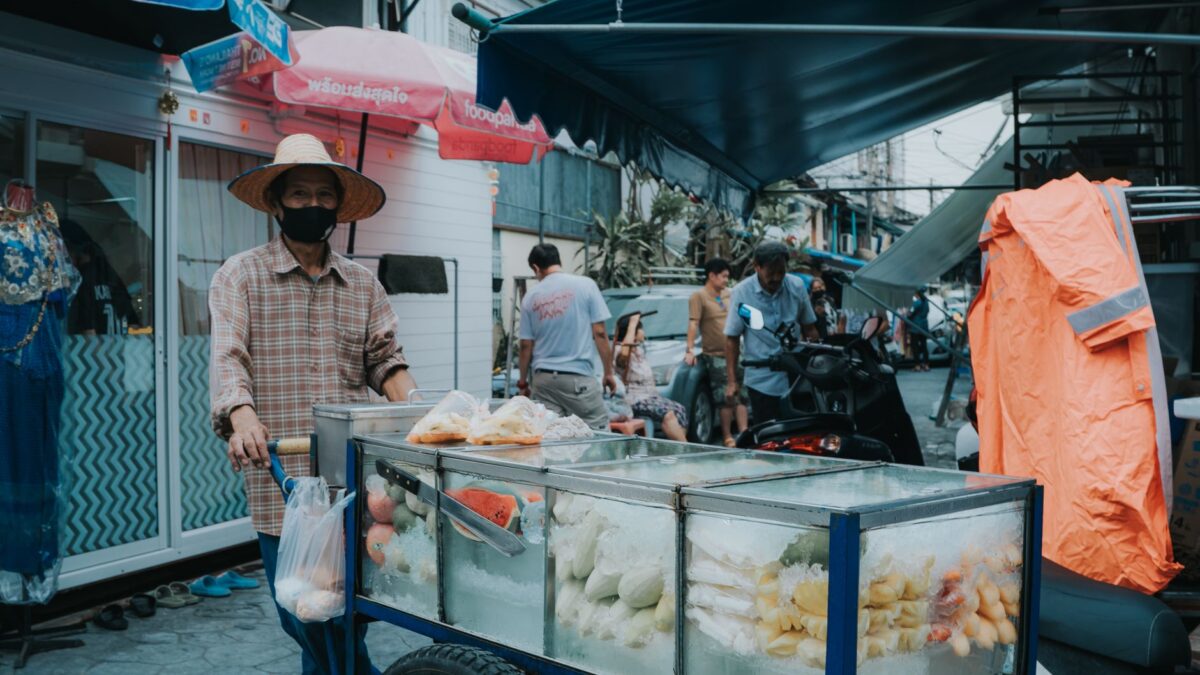
This is where your budget shines. Bangkok remains one of the world’s great street-food capitals. Despite the inflation fears and the cost-of-living squeeze under the current government, food stalls haven’t raised prices significantly. A bowl of boat noodles (kuay teow reua) at Victory Monument still runs about 15–25 THB (roughly $0.6) for a small bowl. Locals order three of these. A full meal of rice and a curry dish at an inexpensive stall will cost you between 45 and 70 THB (about $1.6).
If you prefer air-conditioning and sit-down service, head to a mid-range restaurant or a high-end food court. A main dish here averages 150–180 THB (about $5). You can find incredible meals at places like Thipsamai Padthai Pratoopee for classic pad thai, or explore the hipster coffee scene in Ari at Rise Coffee or A Keen House, where a cup of coffee costs around 60–100 THB (about $2.3). Avoid the tourist traps on Khao San Road; walk five minutes into Yaowarat (Chinatown) after dark, and you’ll find Michelin-recognized street food for a fraction of the price. A local beer like Chang or Leo in a bar is roughly 80–120 THB (about $2.8).
Getting Around the Flooded City
Transport is currently chaotic. With heavy rain flooding main roads, taxis are often stuck, and ride-hailing apps like Grab or Bolt may surge in price or become unavailable. Your best friend right now is the BTS Skytrain and the MRT. Since November 2025, the BTS uses a distance-based fare system, costing anywhere from 17 to 65 THB. A typical central ride is around 30–40 THB (about $1.2). There is no true unlimited monthly pass, but a one-day unlimited pass costs 150 THB (about $4), which is excellent value if you’re hitting multiple sites.
For the MRT Blue and Purple lines, you can tap a contactless Visa or Mastercard directly at the gates, or buy an MRT Plus card. The Chao Phraya Express Boat is another option; the orange line runs daily at a flat rate of 17 THB, perfect for crossing the river to see Wat Arun. When you must take a taxi, insist on the meter. The flag-fall is only 35–40 THB (about $1.1). If a driver refuses the meter or tells you the temple is closed today (a classic scam to take you to a gem shop), walk away. Use Grab or Bolt if possible, but be prepared for delays due to the flooded streets.
Attractions and Daily Totals
Bangkok’s cultural offerings are deep and varied. The Grand Palace is the top landmark, established in 1782 when King Rama I moved the capital here. Foreign adult entry is 500 THB (about $14). Dress code is strict: covered shoulders and knees. Nearby, Wat Pho houses the massive Reclining Buddha and is the birthplace of traditional Thai massage. For a view, climb the 300 steps of Wat Saket (Golden Mount). If you’re in the mood for culture beyond temples, the 28th Bangkok International Festival of Dance & Music is running through October at the Thailand Cultural Centre, featuring opera and ballet.
Let’s break down what a day actually costs you, keeping the current weather and travel disruptions in mind.
- Budget Traveler: Stay in a basic guesthouse (1,800 THB), eat street food exclusively (150 THB for three meals), use the BTS/MRT (100 THB), and visit free temples. Total: ~2,050 THB (about $58).
- Mid-Range Traveler: Stay in a nice hotel (2,500 THB), mix street food with one sit-down dinner (300 THB), take occasional taxis (200 THB), and pay for two major attractions like the Grand Palace and Jim Thompson House Museum (1,000 THB). Total: ~4,000 THB (about $113).
- Comfortable Traveler: Stay in a luxury suite or serviced apartment (6,000+ THB), dine at upscale restaurants like SOT Bangkok or Ros Krung Esarn Thai Cafe (1,500 THB), hire private transport (500 THB), and enjoy spa treatments or premium events. Total: ~8,500+ THB (about $240).
One final tip for navigating this wet season: bring waterproof bags for your electronics and wear sandals that can handle puddles. The humidity is high—feels like 37°C—and thunderstorms are common. But once the rains ease later in October, the city wakes up, the markets bustle, and the street food steam rises against the cooling air. It’s messy, it’s wet, and it’s utterly unforgettable.
Frequently asked questions
Is it safe to travel to Bangkok during the October floods?
Travel is possible but challenging. Major roads are submerged, and flights/trains face disruptions. Check airline updates closely, use the BTS Skytrain or MRT over taxis to avoid traffic, and stay informed on local flood warnings.
How much does street food cost in Bangkok in 2026?
Street food remains very affordable. A noodle dish or rice plate at a local stall costs between 45–70 THB ($1.6). Even boat noodles are cheap, around 15–25 THB per small bowl.
Do I need a visa for Thailand in 2026?
Most Western passport holders enter visa-exempt for 60 days. Remote workers can apply for the Destination Thailand Visa (DTV) for 5 years of multi-entry access, but it does not allow banking or residence benefits.
Can I open a Thai bank account as a tourist?
No. Since 2025, major banks like Bangkok Bank and KBank refuse accounts to tourists and DTV holders. You need a long-term non-immigrant visa (work/retirement) to open one.
What is the best way to get around Bangkok during heavy rain?
Use the BTS Skytrain and MRT underground trains to avoid flooded roads. The BTS has a one-day unlimited pass for 150 THB. Taxis are often stuck in traffic, so rely on rail transit or ride-hailing apps with caution.
Things to do in Thailand
 Riverside Thai Cooking Class in Khao Lak with Market Tour
 Special offer
Private James Bond Island Speedboat Adventure Tour w/ Canoeing
Special offer
Private James Bond Island Speedboat Adventure Tour w/ Canoeing
 Chiang Mai Jungle Coffee Experience: Farm Trek, Roast & Brew.
 Private Floating market and Railway Market & Ayutthaya Historical
 Half-Day Thai Cooking Class with organic ingredients
 Safety whitewater rafting in Chiangmai by Khampan Rafting