

From the airport into Tokyo: every option and what it costs
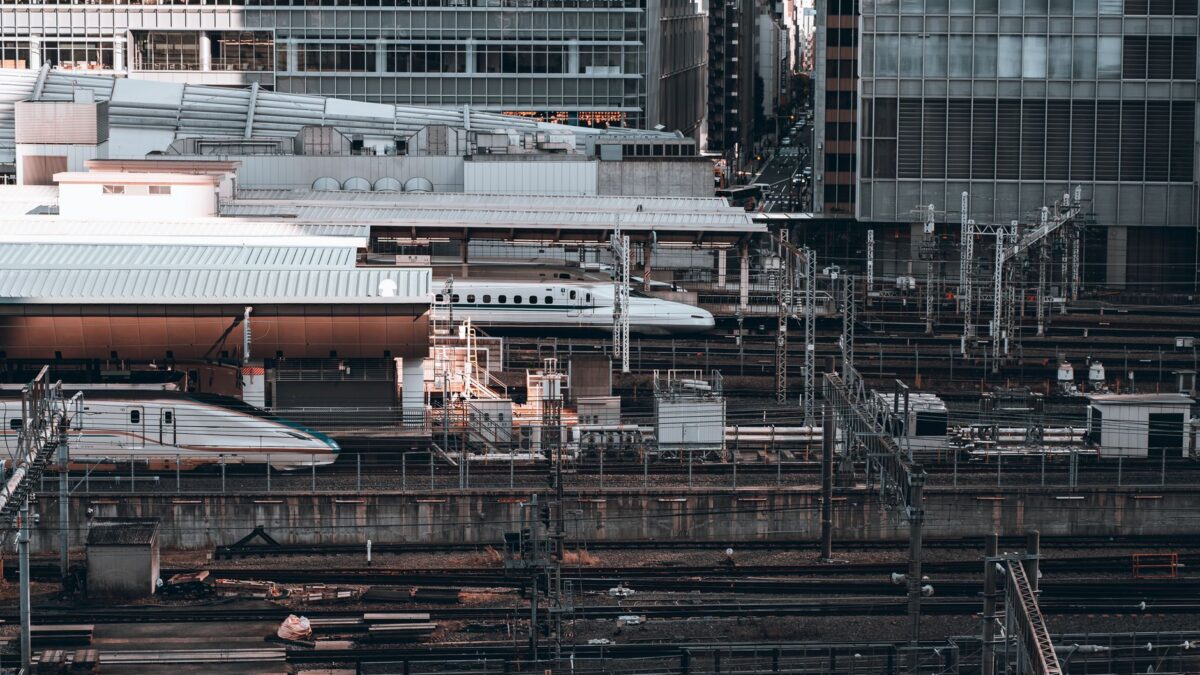
The sliding doors of Narita or Haneda hiss shut behind you, and suddenly the humidity hits. It is early October in Tokyo, and while the forecast suggests a gentle 19–26°C overcast day, the air still carries that heavy, muggy warmth typical of the tail end of typhoon season. You have just landed in the world’s largest metropolitan economy, a place where the GDP per capita sits around $35,951 but where your yen will stretch further than you might expect if you know where to look. Before you even think about navigating the neon labyrinth of Shibuya or the quiet lanes of Yanaka, you need to get from the airport to your accommodation. The options range from the pragmatic to the luxurious, and knowing the difference can save you hours of exhaustion.
Trains: The Pulse of the City
For most travellers, the train is the only logical choice. Tokyo’s transit network is exceptionally safe and punctual, though it can feel like solving a complex puzzle on your first visit. The real magic lies in using an IC card. Whether you choose Suica (JR East) or PASMO, these rechargeable smart cards allow you to tap in and out without fumbling for tickets. iPhone users can easily load Mobile Suica into Apple Wallet, which is often the safest bet given recent fluctuations in physical chip availability. Tourists can also pick up a Welcome Suica at the airport counters.
If you are staying within the central wards, the Tokyo Metro offers incredible value. A single subway ride covering 1–6 km costs about ¥180, or roughly ¥178 if you use your IC card. That is approximately $1.20. If you plan to move around frequently, consider the Tokyo Subway Ticket, a discount pass available for 24, 48, or 72 hours. It covers all Tokyo Metro lines and makes short trips to districts like Asakusa or Shinjuku effortless. For longer journeys outside the city, such as a day trip to Mt. Takao or the Okutama valleys, the Japan Rail Pass remains a popular option, though its value has shifted since the recent price hikes.
Be mindful of current disruptions. If you are taking the Ginza Line, note that platform-door replacement work is underway at Suehirocho Station between August and late October. While locals pass through daily, the partially removed doors on the Ueno/Asakusa-bound platform can cause minor delays. Similarly, if your route involves the Rinkai Line, Shinonome Station is undergoing large-scale exterior renovation with scaffolding and overnight painting, which may section off parts of the concourse until mid-2027.
Buses: The Scenic but Slower Route
Bus services, particularly the Limousine Bus, connect both Narita and Haneda airports directly to major hotels across Tokyo. These are comfortable, air-conditioned coaches with space for luggage, making them ideal if you have heavy bags or prefer a seated arrival. However, they come with a premium. Fares typically range from ¥3,000 to ¥4,000 one-way, depending on the distance and destination. In terms of the US dollar, that is roughly $20–$26.
The trade-off is time. While trains run on strict schedules, buses are subject to Tokyo’s notorious traffic congestion. During rush hour, what should be a 60-minute journey can stretch significantly. Buses are best suited for those arriving late at night when train frequency drops, or for travellers prioritizing comfort over cost. Keep in mind that regular city buses within Tokyo charge ¥210 for a flat fare, payable with your IC card, but these are rarely used by tourists due to the complexity of boarding and alighting at every stop.
Taxis: When Convenience Trumps Cost
Taxis in Tokyo are clean, safe, and driven by professionals who often speak basic English. They are hailed by waving or found at designated ranks outside arrivals halls. The downside is the price. Taxis start at around ¥730 for the first kilometer, with charges adding up quickly. A ride from Narita to central Tokyo can cost upwards of ¥20,000 ($130+), making it a prohibitive option for solo travellers or budget-conscious visitors. Taxis are practical for short hops within a district—say, from Shinjuku Station to Golden Gai—or when carrying children or elderly relatives. For the rest, stick to the rail network.
Private Transfers: Luxury and Ease
If budget is not a constraint, private car transfers offer door-to-door service with a dedicated driver. Companies like Klook or Viator offer pre-booked sedans or minivans for fixed prices, often ranging from ¥15,000 to ¥30,000 ($100–$200+) depending on vehicle type and group size. This option eliminates the stress of navigating ticket gates and finding your hotel entrance. It is particularly useful if you are visiting specific landmarks like teamLab Planets in Toyosu or heading to the outer wards, though even then, the train remains efficient. Private transfers are also valuable for groups of four or more, where the per-person cost approaches that of a taxi but offers significantly more comfort and space.
Choosing Your Path
Your choice depends on your priorities. If you want to experience Tokyo like a local, take the train. Use your IC card, grab a bowl of ramen at a local shop for about ¥1,000–¥1,200 ($7), and head straight to your hostel or hotel. If you are tired, traveling with heavy luggage, or arriving late, the Limousine Bus provides a smooth transition. For those seeking maximum convenience regardless of cost, a private transfer ensures you are whisked away without a second thought. Whatever you choose, remember to register your trip on Visit Japan Web before arrival to generate your immigration and customs QR codes, streamlining your entry into this vibrant, historic city.
Frequently asked questions
How much does a single subway ride cost in Tokyo?
A single Tokyo Metro ride for 1–6 km costs about ¥180, or roughly ¥178 with an IC card. This is approximately $1.20.
What is the best way to pay for public transport in Tokyo?
Use an IC card like Suica or PASMO. iPhone users can load Mobile Suica into Apple Wallet, or purchase a Welcome Suica at the airport. These work for trains, buses, and convenience stores.
Is the Limousine Bus worth the extra cost compared to trains?
The Limousine Bus costs around ¥3,000–¥4,000 ($20–$26) and offers comfort and luggage space, but trains are faster and cheaper. Choose the bus if you have heavy bags or arrive late at night.
Are there any construction delays I should know about near the airport?
Yes, Ginza Line Suehirocho Station has partial platform door removals until late October, and Rinkai Line Shinonome Station is under renovation until mid-2027. Check schedules if these affect your route.
How can I simplify my airport arrival process?
Register your trip on Visit Japan Web before arrival to generate QR codes for immigration and customs. This speeds up the entry process significantly upon landing.
Things to do in Japan
 Samurai Training Experience KENDO in Osaka
 Tokyo Private Discovery Tour | Unique Insights & Must Sees
 Pixel Lab Tokyo: Gameboy Mod Workshop (Classic/Advance/SP)
 Private Tea Ceremony and Sake Tasting in Kyoto Samurai House
 Private Tailor-made Akihabara Anime Tour with a Local Otaku Guide
 Osaka Sake Tasting & Takoyaki Cooking Experience