

Brazil in October 2026: what travelers should know now
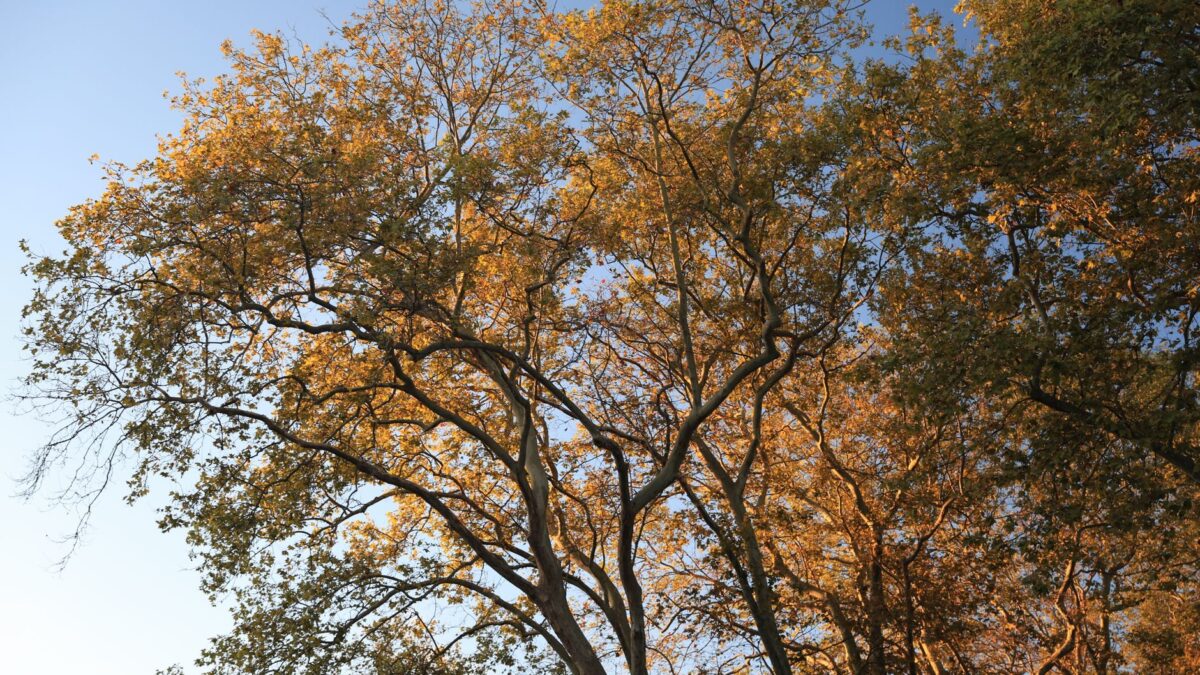
The air in Brasília has that familiar, thick quality right now. It is late October, and the dry season is holding on with a stubborn grip. If you are walking along the Eixo Monumental this week, you will likely see the haze from cerrado fires drifting low over the horizon, mingling with the bright yellow and purple blooms of the ipê trees that line the avenues. The sky is usually overcast by midday, and the temperature sits comfortably between 18°C and 30°C. It is not the humid heat of Rio or São Paulo; it is a drier, sharper light that makes Oscar Niemeyer’s concrete curves pop against the grey. But do not let the mild weather fool you—this is a city built for wide spaces and long walks, and the smoke can linger.
Politics, Elections, and Street Closures
You need to be aware of the political pulse here, especially as we approach the end of the month. As of today, October 7th, the country is gearing up for the first round of the presidential election on Sunday, October 12th. This is not just background noise; it changes how the city moves. In Brasília, federal holidays and election days trigger massive logistical shifts. Buses and the Metrô-DF run free all day on election Sunday, operating on a weekday timetable from 6:00 AM to 9:30 PM. However, there are exceptions: the Esplanada dos Ministérios, SIA, and SAAN bus lines are exempted and kept on standard service because they serve critical government corridors.
Security around the Praça dos Três Poderes—the square housing the Palace of the Planalto, the National Congress, and the Supreme Federal Court—is always tight, but it intensifies during national events. Just last week, on October 1st, an incident involving a backpack thrown near the Supreme Court triggered ‘Operação Petardo,’ isolating the area and closing lanes on the Esplanada dos Ministérios. While such events are rare, they remind us that the heart of Brazilian democracy is a active security zone. If you plan to visit the Palácio do Planalto interior, remember it opens to the public only on Sundays, so you might find yourself navigating the crowds on election day itself if you time it right.
What Is On: Music, Cinema, and Culture
If you are here for the culture, October offers a mix of high-energy music and niche arts. The biggest musical event this month is ‘O Maior Encontro do Samba’ happening at Na Praia Parque. This is a serious gathering for samba lovers, featuring legends Alcione, Zeca Pagodinho, and Jorge Aragão sharing a stage, with Pretinho da Serrinha opening and Seu Jorge as a special guest. It captures the soul of Brazilian music better than almost any other venue.
For something quieter, the Mostra de Cinema Espanhol 2026 runs from October 8th to 11th at Cine Brasília. It screens five award-winning Spanish features, notably three directed by women, with Portuguese subtitles. It is free entry, making it a great rainy-day option when those afternoon thunderstorms start to roll in. Later in the month, keep an eye out for Moda Manifesta on October 17th. This eight-hour occupation of the Museu Nacional da República transforms the space into a runway show, creators’ fair, and clothing donation drive. It is a vibrant snapshot of local fashion and social activism, completely free to attend.
Navigating Costs and Daily Life
Brasília is one of Brazil’s more expensive cities, particularly for housing and dining in the central wings, but your daily cash flow can stretch further if you know where to look. A modest one-bedroom flat in the Plano Piloto or central areas rents for about R$ 1,500–2,100 (roughly $330 USD) per month, reflecting the city’s status as a government hub. For travelers, food markets remain relatively affordable compared to coastal resorts.
Transport fares are frozen through the end of 2026, which is a blessing for budgeting. A single short bus trip is R$ 2.70, while the metro costs R$ 3.80 for short trips and R$ 5.50 for longer ones. If you are moving around a lot, the integrated transit card, the Cartão Mobilidade, allows up to three boardings in the same direction within three hours for a maximum fare of R$ 5.50. You can get this card for free after pre-registering online and picking it up at a BRB Mobilidade post with your passport and migration ID. Cash is being phased out of buses, so ensure your card is loaded via the app or station kiosks.
Food prices vary wildly depending on where you eat. A simple ‘prato feito’ (self-service lunch plate) at a local restaurant runs about R$ 45 ($8 USD), while a mid-range three-course meal for two hovers around R$ 210 ($40 USD). Coffee culture is strong here; a small cafezinho is roughly R$ 3.94, but a proper cappuccino at a specialty spot like Los Baristas or Ernesto Specialty Coffees will cost you around R$ 13.42 ($2.50 USD). Supermarket staples like milk (R$ 5.41/L) and local beer (R$ 6.40/bottle) are accessible, but dining in the Lago Sul district will naturally skew higher.
Practical Tips for Arrival
If you are arriving this month, your first administrative hurdle is the CPF (individual taxpayer number). You cannot easily get a prepaid SIM card from Vivo, Claro, or TIM without one, as carriers increasingly require it even for tourists. Get this done immediately at a Receita Federal office (free) or a Correios branch (R$ 7 fee, often same-day processing). Once you have your CPF, you can open a digital bank account with fintechs like Nubank or Inter, which is much faster than traditional banks that require proof of address and physical visits.
When exploring the city, consider the distinct vibes of its districts. The Asa Sul is the original, tree-lined southern wing with older superquadras and Burle Marx landscaping, offering a more traditional residential feel. If you want bohemian energy, universities, and student bars, head to Asa Norte. For luxury and lake views, Lago Sul is stunning but pricey, while the Sudoeste and Octogonal areas offer modern, walkable neighborhoods popular with young professionals. And if you want a break from the urban sprawl, take a three-hour drive north to Chapada dos Veadeiros in Goiás for waterfalls and hiking—a perfect escape from the capital’s concrete geometry.
Frequently asked questions
How does the presidential election affect public transport in Brasília?
On election day (October 12, 2026), buses and the Metrô-DF run free all day on a weekday schedule (6:00 AM–9:30 PM). However, specific lines serving the Esplanada dos Ministérios, SIA, and SAAN remain on standard service.
Do I need a CPF to use public transport or get a SIM card?
Yes. Major carriers like Vivo, Claro, and TIM increasingly require a CPF for prepaid SIMs. You also need a CPF to register for the Cartão Mobilidade transit card, which is essential for integrated bus and metro travel.
What major cultural events are happening in Brasília this month?
'O Maior Encontro do Samba' at Na Praia Parque features top artists like Alcione and Zeca Pagodinho. Additionally, the Mostra de Cinema Espanhol 2026 runs at Cine Brasília from Oct 8–11, and Moda Manifesta occupies the Museu Nacional da República on Oct 17.
Is Brasília expensive for tourists in October?
Brasília is among Brazil's more expensive cities for housing and upscale dining, but food markets and self-service restaurants ('pratos feitos') remain affordable at around R$ 45 ($8). Transport fares are frozen at low rates through 2026.
What is the weather like in Brasília in early October?
Expect temperatures between 18°C and 30°C with overcast skies. It is the tail end of the dry season, so expect haze from cerrado fires and the possibility of first afternoon thunderstorms.


