

Brazil Travel Podcast with Rafael Costa
Hosted by Rafael Costa — a new episode every day from Brazil.
Brazil is the largest country in South America, and travelling here means moving between Atlantic coast, tropical lowlands, and the temperate south. The show explores that range one place at a time, looking at how weather, language and routine change from one region to another. It is a place of urban density and open wetland.
Each stretch of the series is anchored somewhere real: São Paulo, Brasília, Recife and Porto Alegre. He also spends time in the Pantanal, where the seasonal flood changes the land and the living. These are places with distinct histories, not just stops on a route.
The show unfolds slowly. He returns to places across seasons, watching how the Pantanal fills and drains and how a neighbourhood changes between a first visit and a later one. Over months, a place stops being a background and starts to be understood. Knowledge accumulates in ordinary details.
Recent episodes
Things to do in Brazil
 Private Transfer from Guarulhos to São Paulo
 Private Boat Trip - Closed Group Whelk Frame by Drumond I
 Taxi from Guarulhos Airport to São Paulo.
 Half Day Hiking Tour Morro Dois Irmaos and Favela Vidigal
 Transfer Fortaleza to Jericoacoara for up to 4 people
 Quadricycle Tour to the Hills with Off Road 15km - 2 people
 Paragliding Rio de Janeiro
 From the Past to the Present: A Historical Walking Tour of Rio
Plan your trip to Brazil
Getting around
Staying connected
Brazil at a glance
Brazil in depth
Reference data on the country — geography, people, history, economy and transport.
Geography and climate
Location
Eastern South America, bordering the Atlantic Ocean
Terrain
Mostly flat to rolling lowlands in north; some plains, hills, mountains, and narrow coastal belt
Climate
Mostly tropical, but temperate in south
Elevation
- Highest point
- Pico da Neblina 2,994 m
- Lowest point
- Atlantic Ocean 0 m
- Mean elevation
- 320 m
Area
- Total
- 8,515,770 sq km
- Land
- 8,358,140 sq km
- Water
- 157,630 sq km
Size comparison
Slightly smaller than the US
Coastline
7,491 km
Land borders
- Total
- 16,145 km
- Border countries
- Argentina 1,263 km; Bolivia 3,403 km; Colombia 1,790 km; French Guiana 649 km; Guyana 1,308 km; Paraguay 1,371 km; Peru 2,659 km; Suriname 515 km; Uruguay 1,050 km; Venezuela 2,137 km
Natural resources
Alumina, bauxite, beryllium, gold, iron ore, manganese, nickel, niobium, phosphates, platinum, tantalum, tin, rare earth elements, uranium, petroleum, hydropower, timber
Land use
- Agricultural land
- 28.3% (2023 est.)
- Arable land
- 6.7% (2023 est.)
- Permanent crops
- 0.9% (2023 est.)
- Permanent pasture
- 20.7% (2023 est.)
- Forest
- 58.9% (2023 est.)
- Other
- 12.7% (2023 est.)
Natural hazards
Recurring droughts in northeast; floods and occasional frost in south
Note
Note 1: largest country in South America and in the Southern Hemisphere; shares common boundaries with every South American country except Chile and Ecuador; most of the Pantanal, the world's largest tropical wetland, extends through the west central part of the country; shares Iguaçu Falls (Iguazú Falls), the world's largest waterfalls system, with Argentina
Note 2: Rocas Atoll, located off the northeast coast of Brazil, is the only atoll in the South Atlantic
People and society
Population
- Total
- 221,359,387 (2025 est.)
- Male
- 108,753,532
- Female
- 112,605,855
Nationality
- Noun
- Brazilian(s)
- Adjective
- Brazilian
Ethnic groups
Mixed 45.3%, White 43.5%, Black 10.2%, Indigenous 0.6%, Asian 0.4% (2022 est.)
Languages
- Languages
- Portuguese (official and most widely spoken language); less common languages include Spanish (border areas and schools), German, Italian, Japanese, English, and many minor Amerindian languages
- Major-language sample(s)
- O Livro de Fatos Mundiais, a fonte indispensável para informação básica. (Brazilian Portuguese)
Religions
Roman Catholic 56.8%, Evangelical 26.9%, none 9.3%, other 4%, Spirtism (Espírita) 1.8%, unspecified 1.4%, Umbanda and Candomblé 1.1%, Indigenous religions .06%, undeclared 0.2% (2022)
Median age
- Total
- 35.4 years (2025 est.)
- Male
- 34 years
- Female
- 36.1 years
Life expectancy
- Total population
- 76.3 years (2024 est.)
- Male
- 72.6 years
- Female
- 80.1 years
Urbanisation
- Urban population
- 87.8% of total population (2023)
- Rate of urbanization
- 0.87% annual rate of change (2020-25 est.)
Where people live
The vast majority of people live along or near the Atlantic coast in the east; the population core is in the southeast, anchored by the cities of São Paolo, Brasília, and Rio de Janeiro
Largest cities
22.620 million São Paulo, 13.728 million Rio de Janeiro, 6.248 million Belo Horizonte, 4.873 million BRASÍLIA (capital), 4.264 million Recife, 4.212 million Porto Alegre (2023)
Background and government
Background
After more than three centuries under Portuguese rule, Brazil gained its independence in 1822, maintaining a monarchical system of government until the abolition of slavery in 1888 and the subsequent proclamation of a republic by the military in 1889. Brazilian coffee exporters politically dominated the country until populist leader Getúlio VARGAS rose to power in 1930. VARGAS governed through various versions of democratic and authoritarian regimes from 1930 to 1945. Democratic rule returned in 1945 -- including a democratically elected VARGAS administration from 1951 to 1954 -- and lasted until 1964, when the military overthrew President João GOULART. The military regime censored journalists and repressed and tortured dissidents in the late 1960s and early 1970s. The dictatorship lasted until 1985, when the military regime peacefully ceded power to civilian rulers, and the Brazilian Congress passed its current constitution in 1988.
By far the largest and most populous country in South America, Brazil continues to pursue industrial and agricultural growth and development of its interior. Having successfully weathered a period of global financial difficulty in the late 20th century, Brazil was soon seen as one of the world's strongest emerging markets and a contributor to global growth under President Luiz Inácio LULA da Silva (2003-2010). The awarding of the 2014 FIFA World Cup and 2016 Summer Olympic Games -- the first ever to be held in South America -- to Brazil was symbolic of the country's rise. However, from about 2013 to 2016, Brazil was plagued by a sagging economy, high unemployment, and high inflation, only emerging from recession in 2017. Congress removed then-President Dilma ROUSSEFF (2011-2016) from office in 2016 for having committed impeachable acts against Brazil's budgetary laws, and her vice president, Michel TEMER, served the remainder of her second term. A money-laundering investigation, Operation Lava Jato, uncovered a vast corruption scheme and prosecutors charged several high-profile Brazilian politicians with crimes. Former President LULA was convicted of accepting bribes and served jail time (2018-19), although his conviction was overturned in 2021. LULA's revival became complete in 2022 when he narrowly defeated incumbent Jair BOLSONARO (2019-2022) in the presidential election. Positioning Brazil as an independent global leader on climate change and promoting sustainable development, LULA took on the 2024 G20 presidency, balancing the fight against deforestation with sustainable energy and other projects designed to alleviate poverty and promote economic growth, such as expanding fossil fuel exploration.
Government
Federal presidential republic
Capital
Brasília
Time zone
UTC-3 (2 hours ahead of Washington, DC, during Standard Time)
Local name
República Federativa do Brasil
Independence
7 September 1822 (from Portugal)
National day
Independence Day, 7 September (1822)
Economy and cost of living
Overview
Upper-middle-income, largest Latin American economy; Mercosur, BRICS, G20 member and OECD accession candidate; growth driven by strong domestic consumption; monetary tightening helping curb inflation rate; high inequality in income and access to health and education
GDP per capita
- Real GDP per capita 2024
- $19,600 (2024 est.)
- Real GDP per capita 2023
- $19,100 (2023 est.)
- Real GDP per capita 2022
- $18,600 (2022 est.)
Inflation
- Inflation rate (consumer prices) 2024
- 4.4% (2024 est.)
- Inflation rate (consumer prices) 2023
- 4.6% (2023 est.)
- Inflation rate (consumer prices) 2022
- 9.3% (2022 est.)
Unemployment
- Unemployment rate 2024
- 7.7% (2024 est.)
- Unemployment rate 2023
- 8% (2023 est.)
- Unemployment rate 2022
- 9.3% (2022 est.)
Exchange rate
- Currency
- Reals (BRL) per US dollar -
- Exchange rates 2024
- 5.389 (2024 est.)
- Exchange rates 2023
- 4.994 (2023 est.)
- Exchange rates 2022
- 5.164 (2022 est.)
- Exchange rates 2021
- 5.394 (2021 est.)
- Exchange rates 2020
- 5.155 (2020 est.)
Main industries
Textiles, shoes, chemicals, cement, lumber, iron ore, tin, steel, aircraft, motor vehicles and parts, other machinery and equipment
Agriculture
Sugarcane, soybeans, maize, milk, cassava, oranges, chicken, beef, rice, wheat (2023)
Transport and connectivity
Airports
5,297 (2025)
Railways
- Total
- 29,849.9 km (2014)
- Standard gauge
- 194 km (2014) 1.435-m gauge
- Narrow gauge
- 23,341.6 km (2014) 1.000-m gauge (24 km electrified)
- Broad gauge
- 5,822.3 km (2014) 1.600-m gauge (498.3 km electrified)
- Dual gauge
- 492 km (2014) 1.600-1.000-m gauge
Ports
- Total ports
- 45 (2024)
- Large
- 4
- Medium
- 7
- Small
- 19
- Very small
- 15
- Ports with oil terminals
- 31
- Key ports
- Belem, DTSE/Gegua Oil Terminal, Itajai, Port de Salvador, Porto Alegre, Recife, Rio de Janeiro, Rio Grande, Santos, Tubarao, Vitoria
Internet domain
.br
Internet users
Percent of population 84% (2023 est.)
Mobile subscriptions
- Total subscriptions
- 216 million (2024 est.)
- Subscriptions per 100 inhabitants
- 102 (2024 est.)
Environment
Environmental issues
Deforestation in Amazon Basin; illegal wildlife trade; illegal poaching; air and water pollution in Rio de Janeiro, Sao Paulo, and other large cities; land degradation and water pollution from mining; wetland degradation; oil spills
Fresh water
8.647 trillion cubic meters (2022 est.)
UNESCO Global Geoparks
- Total global geoparks and regional networks
- 6
- Global geoparks and regional networks
- Araripe; Cacapava; Quarta Colonia; Serido; Southern Canyons Pathways; Uberaba (2024)
Country reference figures are periodically revised. Check anything time-sensitive or safety-critical against an official source before you travel.
Brazil travel guides
 News & Updates
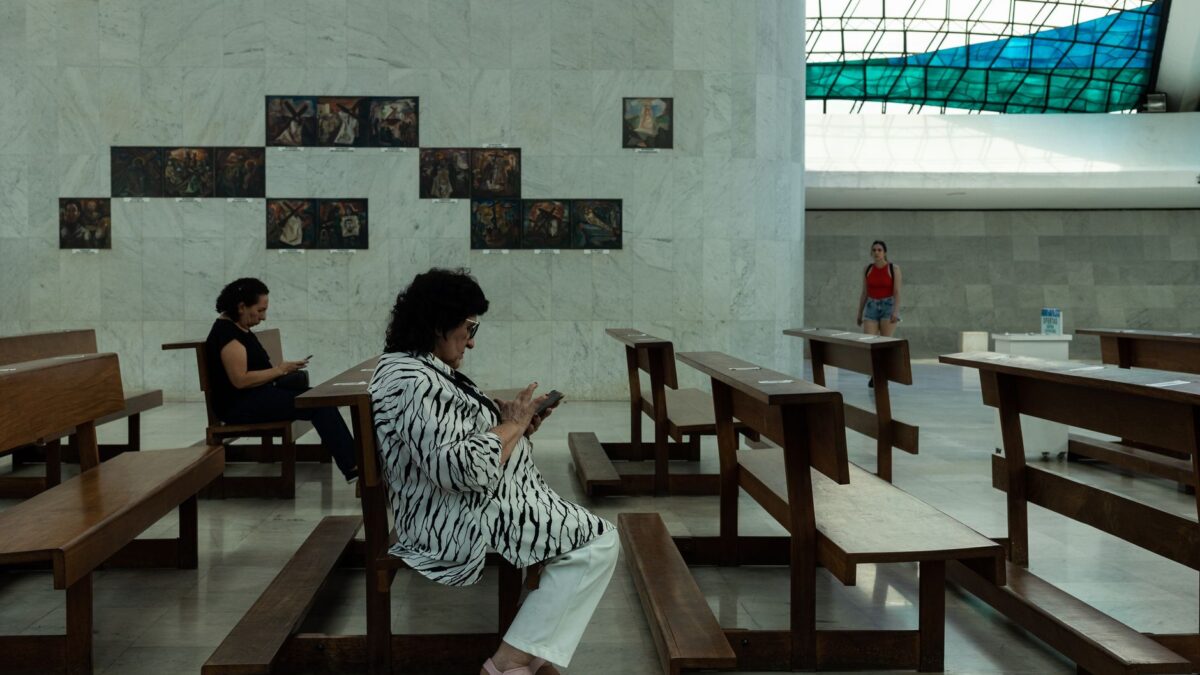
Brazil in September 2026: what travelers should know now
Brazil travel briefing for Sept 2026: Early storms, cinema festivals, election chaos, and costs in Brasília.
 Travel Tips
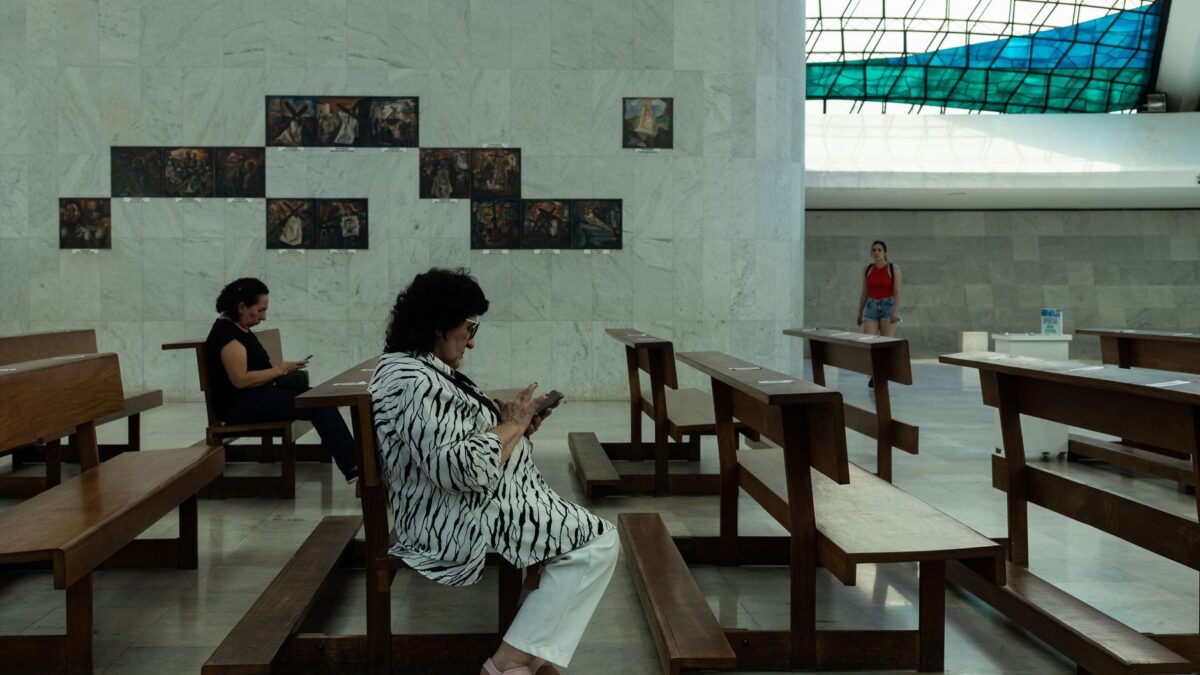
A first-timer’s guide to Brazil
Practical first-timer's guide to Brasília, Brazil: best time to visit, costs, metro, safety, and local tips from a resident host.
 News & Updates
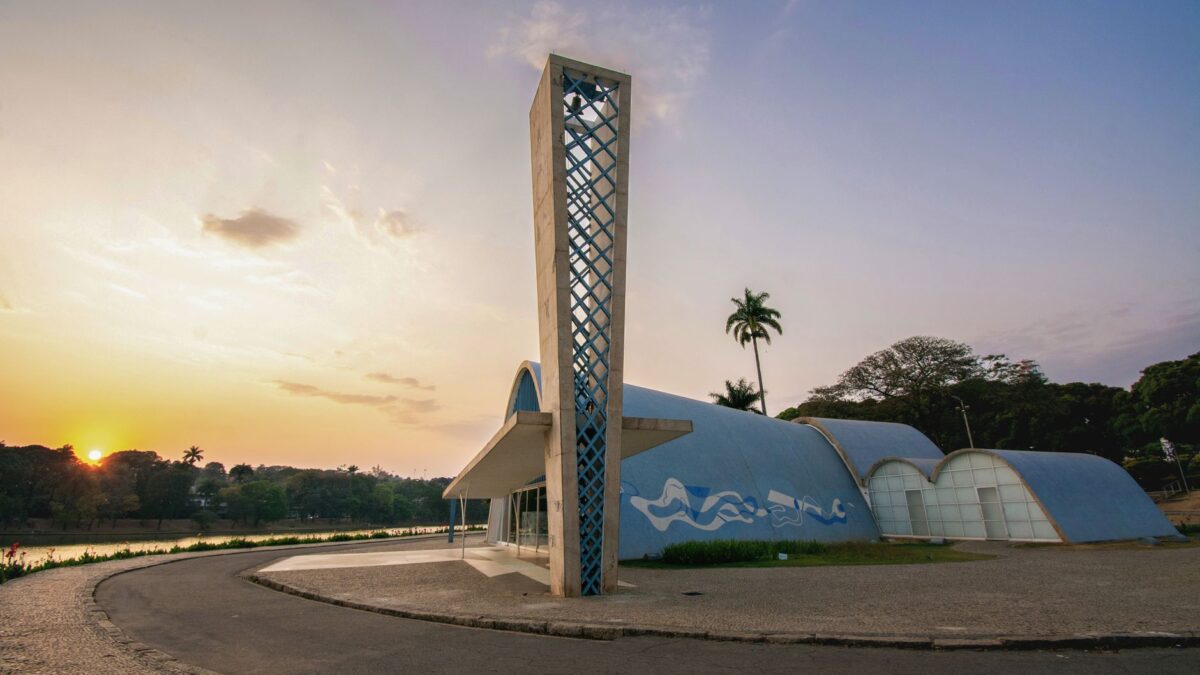
Brazil in August 2026: what travelers should know now
Brasília in August 2026: the Book Biennial, Obon Matsuri, and Wine Fair are on now. Get local tips on weather, election buzz, and cheap…
 Culture & Etiquette
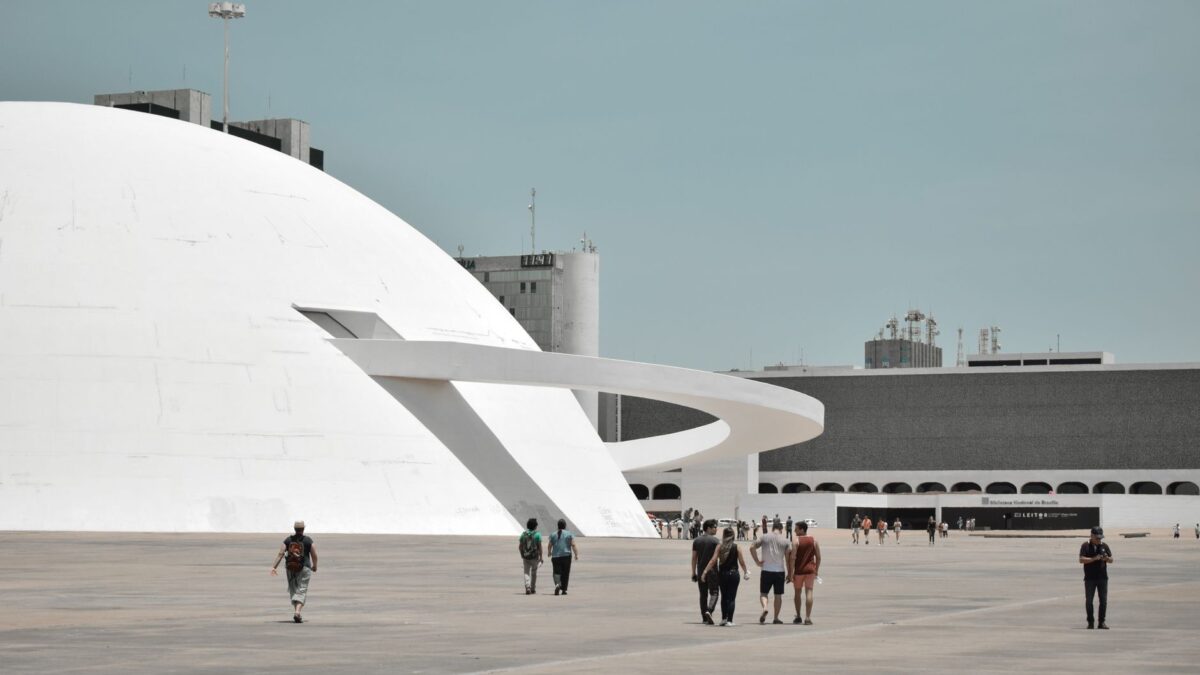
Brazil etiquette: the dos and don’ts
Brazil etiquette guide from a local: greetings, tipping, dining, dress codes, and cultural customs in Brasília—what to do and avoid as a visitor.
South America
 Argentina
Argentina Travel Podcast with Camila Duarte
The Pampas, Argentina's rich plains in the northern half, feed the country's cattle and wheat; Buenos Aires, home to a third of…
 Peru
PeruPeru Travel Podcast with Diego Quispe
The Andean sierra holds roughly half of Peru's population, and Lago Titicaca, the world's highest navigable lake, is shared with Bolivia.
 Colombia
Colombia Travel Podcast with Mariana Ospina
The llanos make up roughly 60% of Colombia, a vast grassland sparsely populated while most people live in the north and west.
 Chile
ChileChile Travel Podcast with Tomás Fuentes
For a listener, this podcast gives a resident’s slow route through Chile, from Santiago’s central valley to the Atacama desert, and the…