

Getting around Lima: metros, taxis and passes
Imagine standing on the Malecón in Miraflores, the Pacific wind whipping your hair, and watching the city below. It is a sprawling beast of concrete and color, stretching from the arid coastal desert to the Andean foothills. For decades, navigating this metropolis felt like trying to solve a Rubik’s cube blindfolded. But today? Today, Lima has transformed. As we move through October, the city is draped in the deep purple of the Señor de los Milagros processions, a visual reminder that tradition and modernity are dancing together here. If you want to see those purple banners up close or escape to the cliffs for sunset, knowing how to move is half the battle.
The Pulse of the City: Metropolitano and Metro
Forget the old buses that clogged the arteries of the city twenty years ago. Lima now boasts two serious mass transit systems that locals rely on daily. First, there is the Metropolitano, the high-capacity Bus Rapid Transit (BRT) system. Think of it as a bus running on its own dedicated lanes, zipping past the gridlock that traps cars. It is efficient, clean, and covers the north-south axis of the city with impressive speed.
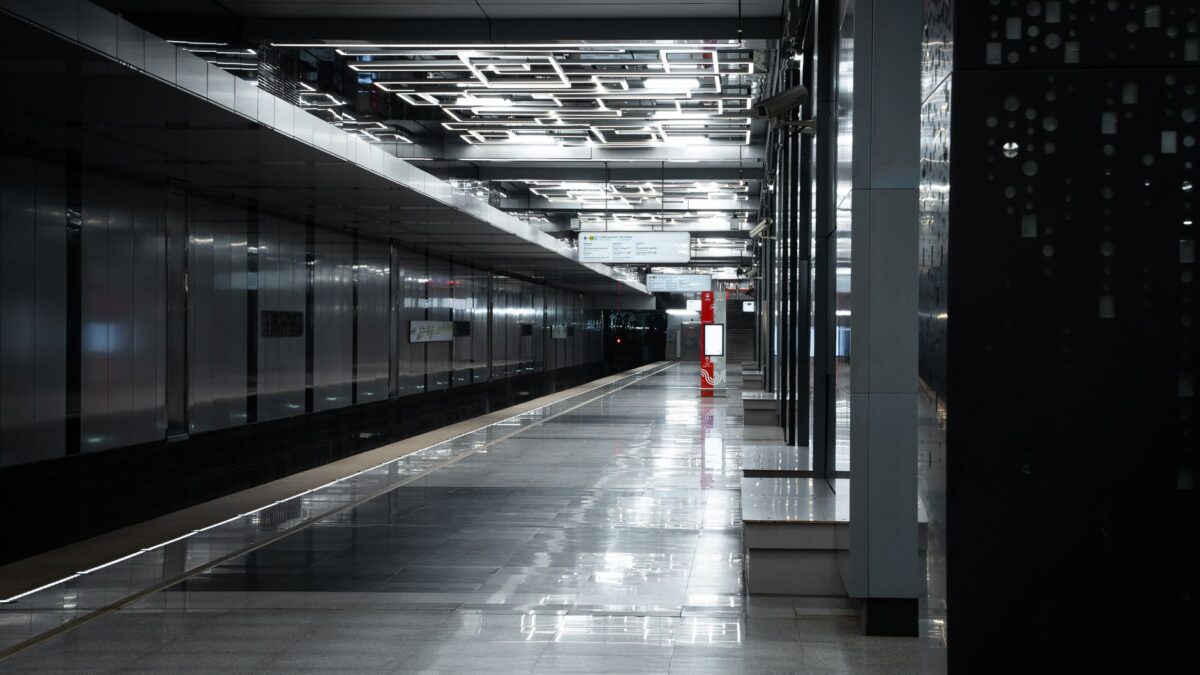
Then, there is the Metro Línea 1. This is Lima’s first true underground railway. While still expanding, it connects key districts like San Juan de Lurigancho to the historic center and beyond. For a visitor, the metro is a marvel of modern engineering cutting through dense urban sprawl. The fare is incredibly accessible—roughly S/1.50 (about $0.40 USD) per ride. You can also take the Metropolitano BRT troncal lines for around S/3.20 (approx. $0.90 USD). If you plan to hop between systems using an alimentador feeder bus, the integrated fare is about S/3.50.
Here is a crucial tip for the savvy traveler: you don’t need to hunt for cash tickets every time. The city is rolling out the Tarjeta Interoperable de Transporte (TIT), which costs about S/7.50 to acquire. This card works across the Metropolitano, the Metro, and other complementary corridors. You can top it up easily using mobile wallets like Yape or Plin, which are ubiquitous in Peru. A monthly pass for unlimited travel runs approximately S/101 (around $27 USD), though as a tourist, you’ll likely find single fares more economical unless you’re making dozens of trips a day.
Taxis and Ride-Hailing: Safety First
Let’s be honest: while the public transport is improving, Lima’s traffic remains legendary. Sometimes, you just want a direct ride from your hotel in San Isidro to dinner in Barranco without three transfers. In these moments, taxis are king—but not all taxis are created equal.
Avoid hailing random taxis off the street, especially near Jorge Chávez International Airport in Callao. Unofficial drivers can be risky. Instead, use reputable ride-hailing apps like Uber or Cabify. They provide driver details, route tracking, and fixed prices, offering a layer of security that is essential in a city of nearly eight million people. A short taxi hop might set you back S/7–10 (approx. $2.30 USD) if negotiated well, but app rides typically start around S/14 and scale based on distance and demand.
If you do use a traditional taxi, insist they use the meter (táxi) or agree on a price before getting in. Stick to established companies or call-ahead services when possible. For longer distances, such as a trip to the airport, pre-booked transfers are often the most stress-free option, ensuring you aren’t stranded with a confused driver who doesn’t know where the terminal entrance is.
Walking: The Best Way to See Lima
There is a saying among locals: “Lima se vive caminando” (Lima is lived by walking). And they are right. While the city is vast, its soul is hidden in its walkable neighborhoods. You cannot rush through Miraflores; you have to stroll along the clifftop park, watch the paragliders descend, and say hello to the famous cat colony in Parque Kennedy.
In Barranco, the bohemian heart of Lima, walking is mandatory. Cross the iconic Puente de los Suspiros (Bridge of Sighs), wander down the mural-covered Bajada de Baños, and explore the Bulevar Sáenz Peña. The architecture here is eclectic, mixing colonial remnants with hippie-chic boutiques. Similarly, a walk through San Isidro reveals a different side of the city—the financial district’s quiet elegance, centered around Parque El Olivar, where ancient olive trees planted in the 16th century still stand guard.
Even in the Centro Histórico, walking is the only way to truly appreciate the UNESCO-listed colonial core. From the Plaza Mayor, surrounded by the Government Palace and the Lima Cathedral, you can meander toward the Monasterio de San Francisco and its eerie catacombs. Just keep your wits about you. Stick to well-lit, populated streets, keep valuables discreet, and remember that the tourist police in districts like Miraflores and Barranco are highly visible and helpful. The emergency number is 911, but a calm demeanor and awareness go further.
Navigating Around Events and Distractions
October is a unique month to navigate Lima. The city is immersed in the Mes Morado (Purple Month), honoring the Señor de los Milagros. The Santuario de las Nazarenas downtown stays open late, and you will see purple habits and altars everywhere. If you visit during this time, expect crowds in the center. Plan your transit accordingly; the metro may be busier than usual, and walking routes through the Centro Histórico will be slower due to processions and meditations.
Also, stay alert for local infrastructure changes. For instance, recent works at the El Olivar station have closed auxiliary lanes on Av. Elmer Faucett, funneling traffic onto fewer lanes. If you are driving or taking a taxi between Ventanilla and San Miguel, expect delays. Similarly, if you are heading to La Molina for the Mundial del Caballo Peruano de Paso, allow extra time as delegations from 21 countries bring their horses to the Escuela de Equitación del Ejército.
For a more relaxed pace, consider the evening. The Circuito Mágico del Agua, a Guinness-recognized fountain complex in Parque de la Reserva, puts on nightly light-and-music shows. It is a fantastic destination for a walk after dark, located safely within a park environment. Or, if you prefer culture, check if the Feria Metropolitana del Libro ‘Lima Lee’ is underway at the Museo Metropolitano de Lima, where free bookstalls line the esplanade.
Lima is a city of contrasts. It is fast and slow, chaotic and serene, modern and ancient. By combining the efficiency of the Metropolitano and Metro with the safety of ride-hailing apps and the intimacy of walking through its vibrant districts, you unlock the true rhythm of the city. Don’t just pass through Lima; let it move you, one step at a time.
Frequently asked questions
How much does a single metro ticket cost in Lima?
A single ride on the Metro Línea 1 costs approximately S/1.50 (about $0.40 USD). The Metropolitano BRT troncal fare is higher, around S/3.20.
Is it safe to take taxis in Lima?
Avoid hailing random street taxis, especially at the airport. Use verified ride-hailing apps like Uber or Cabify for tracked, secure rides. Traditional taxis should use meters or have agreed-upon fares.
What payment method is best for public transport cards?
The new Tarjeta Interoperable de Transporte (TIT) can be topped up using mobile wallets like Yape or Plin, which are widely accepted across the city for small transactions.
Are there traffic disruptions I should know about in October?
Yes, ongoing metro works near El Olivar station have closed auxiliary lanes on Av. Elmer Faucett. Additionally, October events like the Señor de los Milagros processions cause significant crowds in the Centro Histórico.
Which districts are best for walking?
Miraflores, Barranco, and San Isidro are the most walkable and safest for tourists. They feature scenic cliffside parks, historic architecture, and are patrolled by tourist police.
Things to do in Peru
 Anthropologist-Led Horseback: Moon Temple & Mysticism (Max 5)
 Food and Culture Full day Tour in the Sacred Valley
 4-Day Inca Jungle Trek to Machu Picchu: Biking, Rafting & Zipline
 The Textile Workshop Experience in Cusco Region
 Half Day Private Tour Machu Picchu Cusco Peru
 Likely to sell out
4-Day Machu Picchu , Sacred Valley and Cusco-Private Guided Tour
Likely to sell out
4-Day Machu Picchu , Sacred Valley and Cusco-Private Guided Tour