

Fiji etiquette: the dos and don’ts
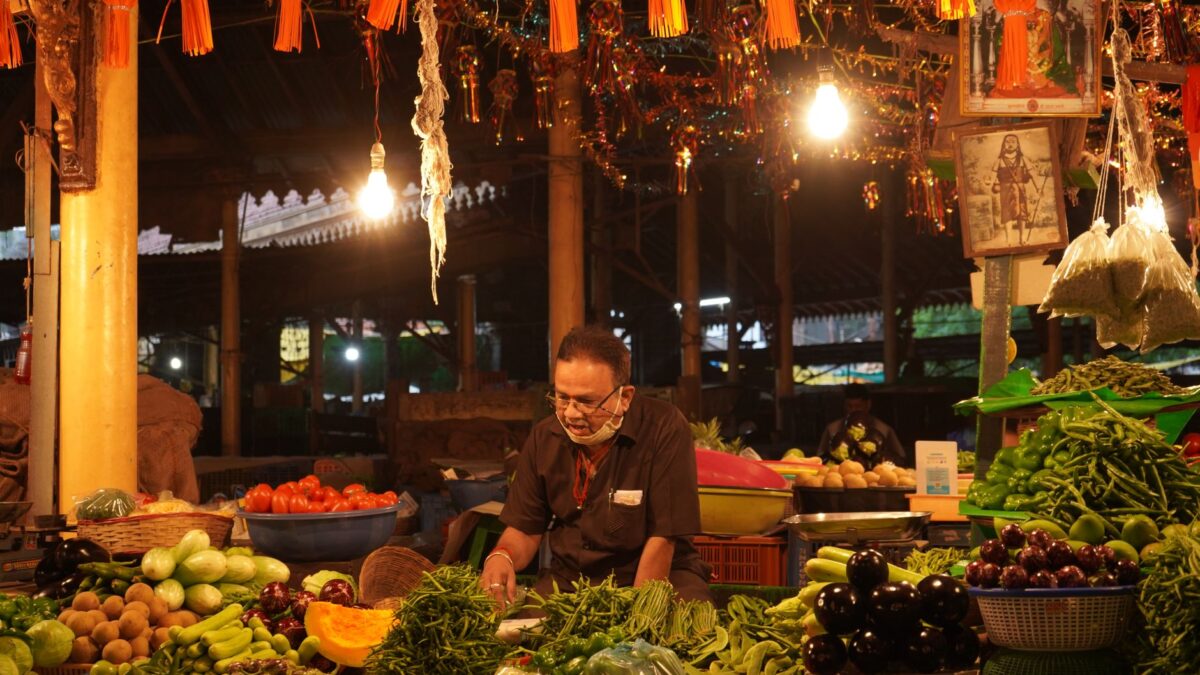
The humidity in Suva doesn’t just sit on you; it wraps around your shoulders like a warm, wet towel. It is early October, the tail end of the dry season, and the air feels heavy with about 30°C of heat despite the thermometer reading a cooler 22–26°C. Light drizzle has been falling for hours, misting the colonial facades of Victoria Parade, but the city is buzzing. Just weeks ago, the Hibiscus Festival turned the Foreshore into a riot of colour, and now, as Independence Week approaches, Albert Park is already filling with stalls selling handicrafts and local food. You are here to see Fiji, not just its resorts. But to truly connect with this place, you need to understand the rhythm of its people. Etiquette here isn’t about rigid rules; it’s about respect, community, and knowing when to smile and when to listen.
Greetings and the Art of ‘Bula’
In Fiji, “Bula” is more than hello; it is an inquiry into your life, a wish for vitality. When you step off the bus at the Suva Bus Stand or walk through the bustling Suva Municipal Market, expect eye contact. It is considered rude to ignore someone who greets you. If a vendor or a passerby says “Bula,” respond with warmth and a genuine “Bula vinaka.” This simple exchange opens doors that money cannot buy.
Physical touch varies by context. In urban Suva, handshakes are common, especially among business contacts or younger Fijians. However, always wait for a woman to extend her hand first. If you are visiting a village or a traditional home, the greeting is different. You may be invited to share yaqona (kava). Accepting the bowl is a sign of respect. Drink it when offered, even if the earthy, numbing taste is new to you. Refusing can be seen as rejecting the host’s goodwill. Remember, in the villages, you are a guest in someone’s ancestral home. Remove your shoes before entering a house unless told otherwise, and never point your feet at a person or a sacred object.
Dining: From Kokoda to Kava
Fiji’s cuisine is a delicious fusion of indigenous Fijian and Indo-Fijian traditions. You will find roti and curry alongside kokoda—raw fish cured in lime juice and coconut cream—at nearly every corner. When dining, there are small customs that signal you are a considerate visitor.
If you are eating with your hands, use only your right hand. The left is traditionally reserved for personal hygiene and is considered unclean in social contexts. Even if you are using cutlery, being mindful of this distinction shows cultural awareness. At places like My Kai Restaurant or The Hideout | Restaurant & Bar, where modern dining meets local flavours, this might matter less, but in a home setting or a local eatery in Toorak, it is essential.
Tipping is not mandatory in Fiji, as service charges are often included, but it is appreciated. A small tip of 5-10% for good service is a kind gesture. For street vendors or market stalls, rounding up the change is the norm. Speaking of markets, the Suva Municipal Market is the heart of the city’s food scene. Be polite when handling produce; do not squeeze fruit or vegetables excessively. Bargaining is acceptable in some informal settings, but do so with a smile and without aggression. If the price feels fair, pay it. The profit margins for many sellers, particularly those at the weekly markets in Albert Park, are thin.
Dress and Appearance: Modesty Matters
Suva is a cosmopolitan capital, but it remains deeply conservative in public spaces, especially near religious sites. While swimwear is perfectly fine at beaches and hotel pools, covering up is necessary when walking through town. Avoid wearing shorts that are too short or sleeveless tops when visiting churches, temples, or mosques. The Shree Laxminarayan Temple and the Sacred Heart Cathedral are architectural gems, but they also demand respectful attire.
When visiting a village, both men and women should cover their shoulders and knees. A sulu (sarong) is a versatile garment that serves as a skirt for women and shorts for men. Many locals wear them daily, and tourists adopting this simple piece of clothing is seen as a sign of respect. It also protects against the sun and the occasional drizzle. In more formal settings, such as dinner at the Grand Pacific Hotel, smart casual is appropriate. You do not need a suit, but neatness counts. Fiji is not a place for flashy displays of wealth; humility is valued over ostentation.
Small Customs That Build Bridges
Fijian society is hierarchical, particularly in rural areas, but in Suva, it is blended. Yet, age and status still command respect. Always address elders with courtesy. If you are interacting with a group, acknowledge the oldest or most senior person first. This applies to business meetings as well as social gatherings.
Photography is another area requiring sensitivity. Before taking photos of people, ask permission. In some communities, especially during festivals or religious ceremonies, photography may be prohibited. Respecting these boundaries prevents offense. Similarly, be mindful of where you take photos. Government House and the Parliament Buildings are significant landmarks, but avoid snapping pictures inside restricted areas or focusing too intently on police or military personnel, which can be interpreted as intrusive.
Patience is key. Things in Fiji move at “Fiji time.” If a tour starts late or a bus is delayed, try not to show frustration. Getting angry or raising your voice is considered losing face and is highly disrespectful. A calm demeanor and a sense of humour go a long way. Locals appreciate visitors who adapt rather than complain. If you find yourself waiting, join in the conversation. Ask about their day, their family, or their favourite spot in Suva. These interactions are the true currency of travel here.
Navigating Suva Like a Local
Suva is compact but layered. Toorak, once the most desirable suburb, is now known for its affordable rentals and vibrant kava saloons. Samabula offers a mix of residential life and history, including Borron House. Raiwaqa represents the working-class multicultural fabric of the city. As you explore, keep these practical tips in mind:
- Transport: The Suva Bus Stand is the hub. Buses have moved to cash-free e-ticketing, so get a top-up card early. Taxis and mini-vans fill the gaps, but agree on fares beforehand.
- Safety: Suva is generally safe during the day, but exercise caution at night. Stick to well-lit central areas. Petty crime exists, so keep valuables secure.
- Connectivity: Vodafone Fiji and Digicel Fiji dominate mobile networks. Tourist SIMs are available at airports and stores, but bring your passport for registration.
- Currency: The Fijian Dollar (FJD) is used. Roughly 2.27 FJD equals one US dollar. Carry small denominations for market purchases.
By observing these etiquettes, you do more than avoid mistakes; you honour the spirit of “vanua”—the land and its people. You become part of the story, not just an observer. And in Fiji, that is the greatest gift you can give.
Frequently asked questions
Is tipping expected in Fiji?
Tipping is not mandatory as service charges are often included, but leaving 5-10% for good service or rounding up bills at markets is appreciated.
What should I wear when visiting villages or religious sites in Suva?
Cover your shoulders and knees. Both men and women should wear modest clothing, and carrying a sulu (sarong) is a respectful and practical option.
How do I greet people properly in Fiji?
Use "Bula" warmly when meeting someone. Shake hands if initiated by the other party, but always wait for women to extend their hand first.
Can I use my left hand to eat or pass items?
No, the left hand is traditionally considered unclean. Always use your right hand for eating, passing food, or handing over money.
Is it okay to bargain at the Suva Municipal Market?
Yes, bargaining is acceptable in informal settings, but do so politely and with a smile. Respect the seller’s price if you feel it is fair.
Things to do in Fiji
 Vavavi - Fijian Cooking & Cultural Experience
 Special offer
Private Arrival Transfer - Nadi Airport to Hotel
Special offer
Private Arrival Transfer - Nadi Airport to Hotel
 CFC Approved Private Arrival Transfer - Nadi Airport to Maui Bay Properties
 Extreme 12000ft Tandem Jump (45 seconds free fall)
 Special offer
Coral Coast, Fiji - Airport to hotels. Transfer
CFC Approved Private Arrival Transfer - Nadi Airport to Outrigger & Bedarra Inn
Special offer
Coral Coast, Fiji - Airport to hotels. Transfer
CFC Approved Private Arrival Transfer - Nadi Airport to Outrigger & Bedarra Inn