

Chile etiquette: the dos and don’ts
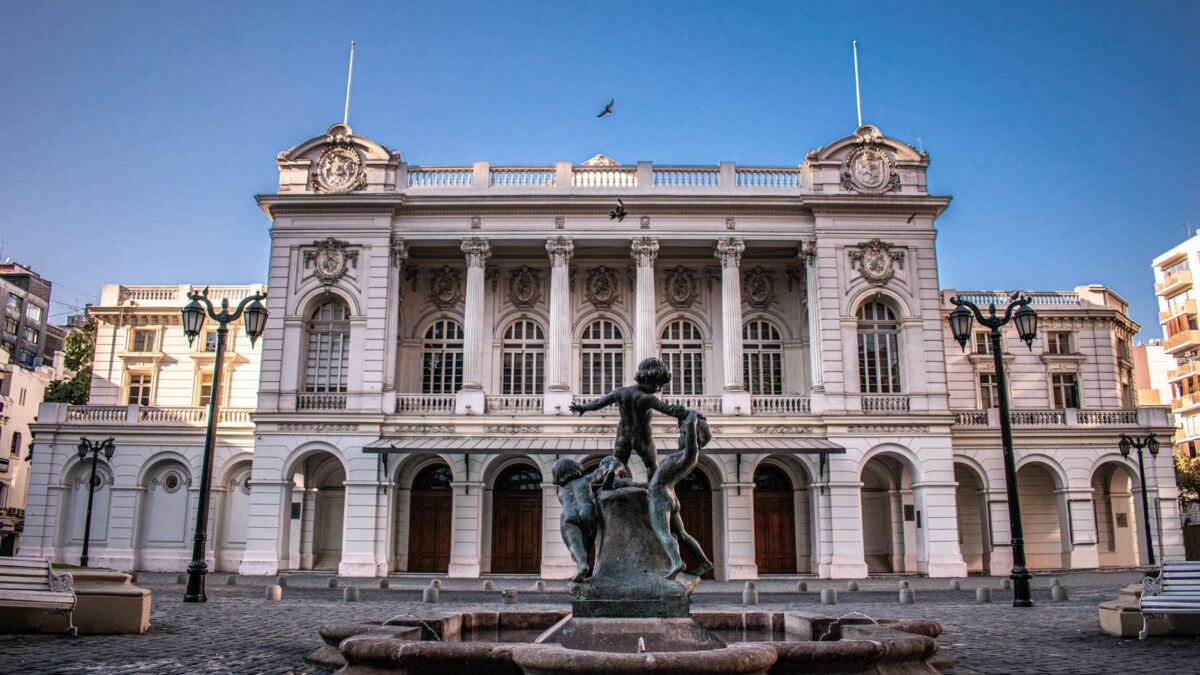
It is early October in Santiago, and the air has that specific spring crispness that makes you want to linger on a terrace. The jacaranda trees are just beginning to blush purple along the streets of Providencia, but if you glance at the sky, you will see the heavy showers rolling in from the Andes. Today’s forecast calls for about 19mm of rain over ten hours, with temperatures hovering between 8 and 17°C. This is the rhythm of the city: bright mornings that turn chilly by evening, requiring layers rather than light fabrics. As your host, I want to ensure you navigate this not just as a tourist, but as a guest who understands the unspoken rules of our capital.
The Art of the Greeting
In Chile, we are warm people, but our warmth is earned through politeness. When you meet someone for the first time, expect a single kiss on the right cheek, even in professional settings. It is not an invasion of space; it is a standard gesture of goodwill. If you are invited into a Chilean home, never arrive empty-handed. A small bottle of wine or a box of chocolates is appreciated, but do not feel pressured to spend much. We value the thought, not the price tag.
Time is viewed somewhat flexibly here. If a dinner party starts at 8:00 PM, arriving at 8:30 PM is often considered punctual. However, if you are meeting for business or a guided tour, be on time. Chileans respect efficiency in professional contexts, even if social gatherings flow like wine. Use titles until invited to use first names. “Don” or “Doña” followed by the surname is a safe and respectful default when addressing elders or superiors.
Dining and Tipping Culture
Food is central to our social life. You will find incredible value in our local eateries. A simple menu del día (set lunch) at an inexpensive local place will cost you around CL$8,000–12,000 (roughly $11), offering a hearty meal that feeds you for hours. For a mid-range experience, expect to pay between CL$12,000–18,000 (about $16) per person. If you crave street food, grab an empanada from a local pulpería for roughly CL$1,000–2,500 (around $1.9). They are delicious, cheap, and deeply traditional.
Tipping is not legally mandatory, but it is socially expected in sit-down restaurants. Leaving 10% of the bill is standard practice. If the service was exceptional, locals might leave more. In bars, tipping is less rigid, but leaving some change or rounding up is polite. Be aware that while Chile is the priciest country in South America, the quality of coffee is world-class. A specialty flat white at a café like Perfil Coffee Santiago or Casa Salvo Café will run you between CL$3,500–5,500 (about $2.8). Do not skimp on the coffee; it is a point of national pride.
Dress Code and Practical Comfort
Santiago’s weather is unpredictable. Even in spring, evenings can drop to near freezing, especially after rain. Locals layer up. You will see people in jeans, t-shirts, and light jackets during the day, switching to wool sweaters or coats by night. Dressing appropriately shows respect for the climate and ensures you stay comfortable. Avoid wearing expensive jewelry or flashy gadgets in certain areas, as pickpocketing can occur in busy zones like Santiago Centro or Bellavista after dark.
When visiting religious sites or formal institutions, modest dress is required. Cover shoulders and knees. For casual outings, smart-casual is the norm. Chileans take pride in their appearance; looking tidy signals that you respect the occasion and the people you are with. If you are heading to the eastern comunas like Las Condes or Vitacura, the style leans more corporate and polished. In bohemian neighborhoods like Ñuñoa or Bellavista, you will see more eclectic, artistic fashion.
Transportation and Daily Customs
Navigating Santiago is easier than you might think. The integrated public transport system uses the Bip! card, which works on both the Metro and the red buses (Red). Buy and top up your card at any Metro station. Fares vary by time of day: roughly CL$735 during low traffic, CL$815 in the valley, and CL$895 during peak hours. There is also a monthly cap of CL$42,000 (about $45) for heavy commuters via the QR code system, making it very affordable for longer stays. A single ride costs around $0.80 USD, which is incredibly cheap compared to other global capitals.
For taxis, always use app-based services like Uber or Cabify, especially at night. Hailing a cab on the street is less common now and can be risky in unfamiliar areas. Santiago is generally safe, but safety varies significantly by district. The eastern areas like Providencia and Las Condes are very secure, while Santiago Centro requires more vigilance, particularly around Plaza de Armas and Mercado Central. Most apartment buildings have a 24-hour conserje (doorman); respect their presence, as they are key to building security.
Respecting History and Nature
Chile has a complex history. Visiting the Museo de la Memoria y los Derechos Humanos is a profound experience that many visitors overlook. It is free and essential for understanding the Pinochet dictatorship era. Show sensitivity when discussing politics; these topics remain raw for many families. Similarly, respect the natural environment. The Andes are visible from almost everywhere in the city. When hiking in Parque Metropolitano or taking trips to Cajón del Maipo, follow marked trails and take all trash with you. Condor-spotting is a privilege, not a right; keep your distance and observe quietly.
Finally, learn a few Spanish phrases. While English is spoken in tourist hubs, attempting basic greetings in Spanish opens doors and hearts. “Buenos días,” “Gracias,” and “Por favor” go a long way. Embrace the local pace, enjoy the vibrant arts scene—check out events like MUBI FEST or the contemporary projects at NIDO Lucía—and remember that being considerate is the best souvenir you can give. Welcome to Santiago, where every corner tells a story and every greeting is genuine.
Frequently asked questions
Is tipping mandatory in Chilean restaurants?
Tipping is not legally mandatory but is socially expected. Leaving 10% of the bill is standard practice for good service in sit-down restaurants.
How much does a cup of coffee cost in Santiago?
A regular coffee is around CL$1,800–3,500 ($2.8), while a specialty flat white at a high-end café typically costs between CL$3,500–5,500.
What is the best way to pay for public transport in Santiago?
Use the rechargeable Bip! card, which works on both the Metro and buses. Fares start around CL$735, and there is a monthly spending cap of CL$42,000.
Are US dollars widely accepted in Chile?
No, the official currency is the Chilean Peso (CLP). While some tourist spots may accept USD, you should primarily use pesos or credit/debit cards.
Which neighborhoods in Santiago are safest for tourists?
The eastern comunas such as Providencia, Las Condes, and Vitacura are considered very safe. Exercise more caution in Santiago Centro and Bellavista at night.
Things to do in Chile
 Guided Half Day Kayak Tour with Picnic in Villa la Angostura
 Gong Bath in the Magic Forest in San Pedro de Atacama
 Villarrica Volcano Ascent
 Guided Kayak Trip on Liucura River
 Valpo in 1 day: Authentic + Famous! Semi-private walking tour & public transport
 Private Full Day Tour on Easter island "The Highlights"