

A week in Lisbon on a mid-range budget
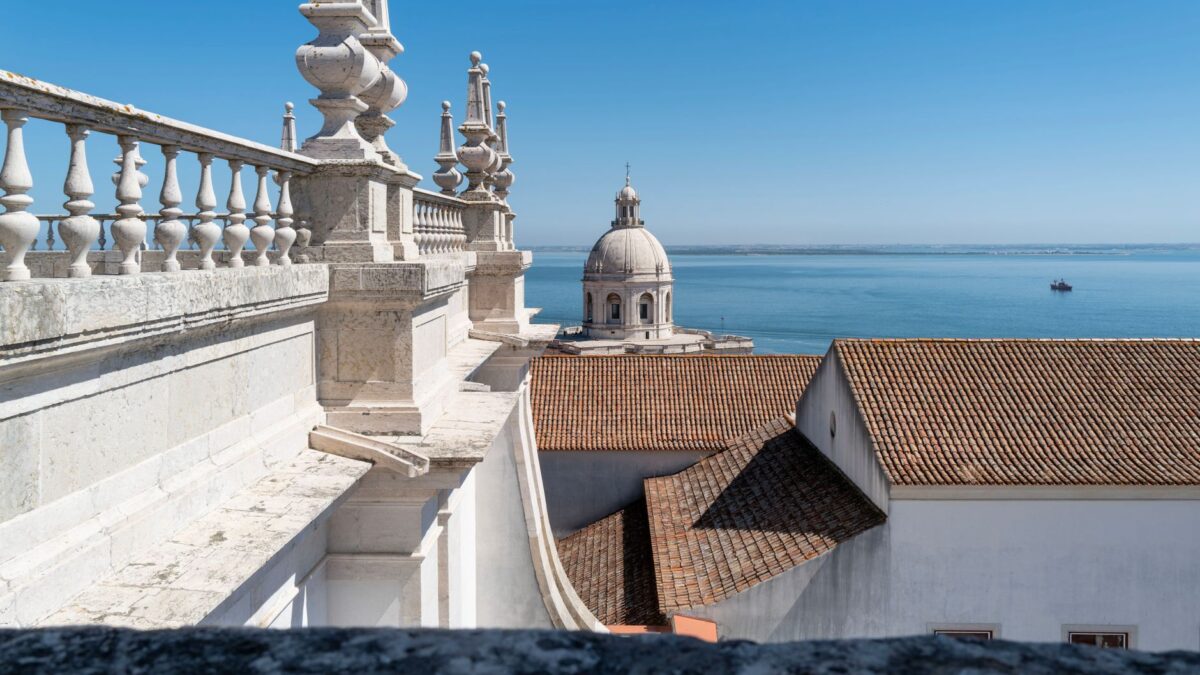
The light in Lisbon hits differently in October. The summer heat has softened into a golden warmth that lingers long past sunset, perfect for sitting on a terrace with a glass of green wine while the first roasted-chestnut carts appear on the corners. It is a time when the city feels less like a tourist trap and more like a living, breathing home—provided you know where to look. A week here on a mid-range budget is entirely possible, but it requires swapping the five-star hotel lobby for a charming guesthouse in Chiado and trading the fancy dinner-theatre fado experience for a genuine *tasca* in Mouraria.
Setting the Stage: Where You Stay and How You Move
Lisbon’s housing market is tight; rents have surged, and a central one-bedroom flat can cost upwards of €1,370 a month. But for a visitor, you have options that feel local without breaking the bank. For your base, aim for a mid-range guesthouse or boutique hotel in the double-room category. Places like DuMont Lisbon Guesthouse or Quinta Colina Boutique Guesthouse often run around €80–150 per night. This is significantly better value than the sprawling chain hotels near the airport, and it puts you within walking distance of the historic centre.
Transport is another area where Lisbon punches above its weight. Do not buy single paper tickets—they are gone. Instead, get a personalised Navegante card (about €7) and load it with ‘Zapping’ credit or specific passes. A single 60-minute ticket on the metro, bus, or tram costs roughly €1.90. If you plan to use public transit heavily over four days, a 4-day pass might save you money, but for a relaxed week, topping up as you go is easy. Note that the funiculars are currently suspended due to safety updates, so be prepared for some stairs—a good way to burn off those pastéis de nata.
Day 1-2: The Historic Heart and the Cost of History
Your first days should be spent getting lost in the layers of the city. Start in Alfama, the oldest quarter, where laundry hangs between buildings and the sound of fado drifts from open windows. Entrance to the Castelo de São Jorge, which crowns the hill, is around €15. It is steep physically and financially, but the panoramic view of the Tagus river justifies the cost. From there, walk down to the Miradouro de Santa Luzia for free views and blue tiles.
Lunch doesn’t need to be a grand affair. Head to Taverna Alfacinha or similar local spots in Baixa. An inexpensive meal at a local restaurant runs about €13 per person. You’ll get a hearty stew, fresh bread, and perhaps a glass of house wine. Dinner can be lighter; grab a slice of pizza or a sandwich from a bakery—fresh white bread is only about €1.40—and eat it in Rossio square. Coffee culture here is world-class; a simple espresso (‘bica’) at a place like A20 – Specialty coffee & Food will set you back just €0.80–1.00, yet the quality rivals anywhere in Europe.
Day 3-4: Belém and the Riverside
Take the tram or train west to Belém. This district is flatter and greener, dominated by the UNESCO-listed Mosteiro dos Jerónimos and the Torre de Belém. Entry to these monuments is typically around €10–15 each. Book online to skip lines, especially now that cultural tourism is rebounding. Don’t leave without eating at the original Pastéis de Belém. A box of their famous custard tarts is affordable, maybe €5–7, and worth every cent.
In the afternoon, cross the river via the cheap ferry from Cais do Sodré to Cacilhas. It costs mere cents and offers the best skyline view of Lisbon. Back in the city, explore the Marvila creative district. The Hub Criativo do Beato is a converted army bakery complex filled with craft beer taprooms like Dois Corvos. A local imperial beer in a bar is roughly €1.50–2.50. It’s a great spot to watch the sun dip below the 25 de Abril bridge without paying for a rooftop bar cover charge.
Day 5-6: Culture, Markets, and Nightlife
October is prime season for Lisbon’s arts calendar. If you are visiting around early October, check the schedule for events like the 10th Festival MIL at Casa Capitão or fashion week pop-ups at MUDE. Many of these are free or low-cost. For a more traditional cultural hit, visit the Museu Calouste Gulbenkian on Avenida de Berna. The museum entry is often included with certain passes, but standalone tickets are reasonable, usually under €15. The gardens are free and perfect for a quiet lunch.
Evenings in Bairro Alto and Príncipe Real are legendary. Bairro Alto is residential by day but transforms into a bohemian hub by night, with tiny bars spilling onto cobbles until 3am. Drinks here are pricey—expect to pay more for cocktails—but you can join the street party for free. For a slightly more upscale vibe, head to Príncipe Real. Visit the giant cedar tree in the garden, then find a seat at Embaixada or a nearby wine bar. A bottle of Portuguese wine here might cost €20–30, but sharing it with friends makes it manageable. Remember, if you sit at a table with bread, olives, and cheese, you will be charged for the ‘couvert.’ Ask if it’s complimentary before digging in.
Day 7: Modern Lisbon and Departure Prep
End your week in Parque das Nações, the area built for Expo ’98. It is modern, spacious, and home to the Oceanário de Lisboa, Europe’s largest oceanarium. Tickets are around €19. It’s a stark contrast to the medieval streets of Alfama, showing Lisbon’s forward-looking side. Afterward, take the metro back to the centre. On your final evening, consider a meal at Mercado da Ribeira (Time Out Market). It’s a food hall with around 26 restaurants under one roof. It’s convenient and high-quality, though slightly pricier than a local tasca. Budget about €20–25 for a solid meal here.
Budget Summary:
- Accommodation: €80–150/night (Guesthouse)
- Food: €13/lunch, €20/dinner (approx. €33/day)
- Transit: €1.90/ticket or €30/month pass
- Attractions: €10–15/monument
Total daily spend (excluding accommodation): roughly €45–60. With lodging, expect to spend about €125–210 per day. This is a very comfortable mid-range budget, allowing you to enjoy Lisbon’s magic without financial stress.
Frequently asked questions
How much does a mid-range hotel cost in Lisbon?
A mid-range guesthouse or boutique hotel in the city centre typically costs between €80 and €150 per night for a double room.
What is the best way to pay for public transport in Lisbon?
Use the Navegante card. Buy a personalised card for €7 and load it with Zapping credit or daily passes. Single tickets cost about €1.90.
Is it expensive to eat out in Lisbon?
No. An inexpensive local meal is around €13, and a three-course meal for two in a mid-range restaurant is about €50. Beer is €1.50–2.50.
Are there free things to do in Lisbon?
Yes. Enjoy the miradouros (viewpoints), walk through Alfama, visit the Gulbenkian gardens, and check for free events during festivals like ModaLisboa.
Things to do in Portugal
 Discover the hills and historic neighborhoods of Lisbon in tuk tuk
 PRIVATE Unforgettable Full Day Tour to Sintra from Lisbon
 Likely to sell out
Sintra Private Tour with All Tickets Included
Likely to sell out
Sintra Private Tour with All Tickets Included
 Private Terceira Island Full Day Tour
 Porto Private Douro River Yacht Cruise with Local Wine and Snacks
 Madeira 4x4 Jeep Safari : Porto Moniz, Lava Pools & Fanal Forest