
Moving to Albania: visas, banking and SIM cards
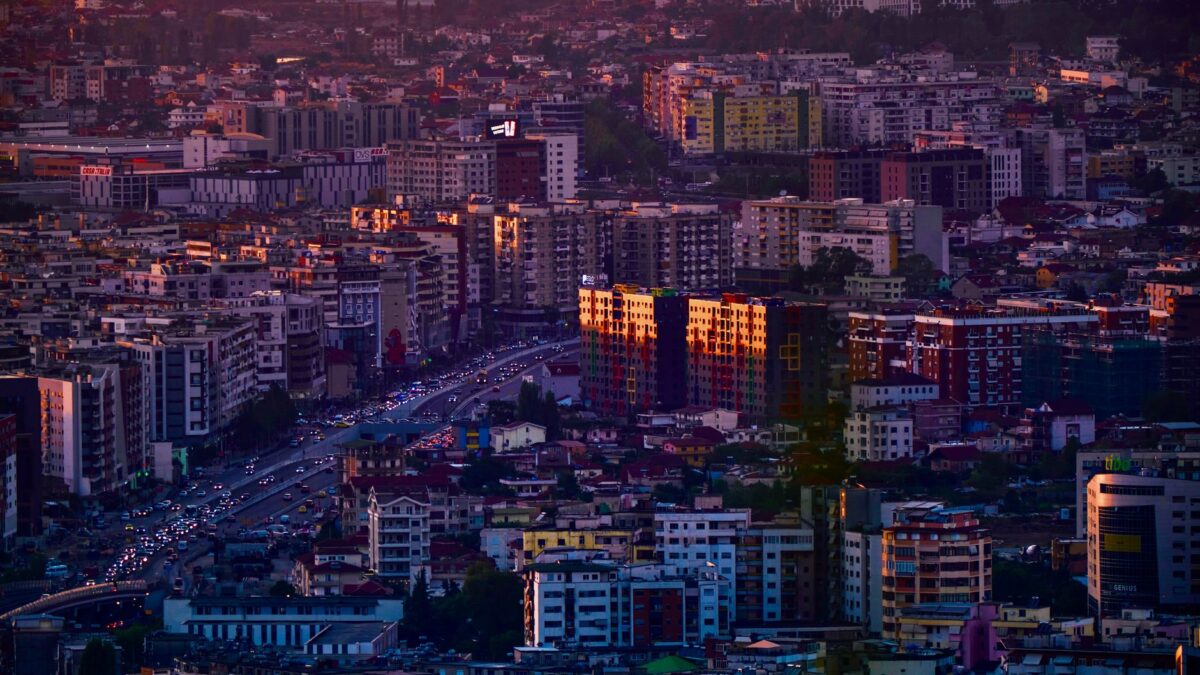
The rain has just stopped over Tirana, leaving the pavement of Skanderbeg Square slick and reflecting the bronze statue of Skanderbeg. It is early October, that peculiar time when the city holds its breath between the heat of summer and the chill of winter. Students are flooding back into the cafes of Blloku, olive harvests are beginning in the hills above, and the air smells of wet stone and roasted coffee. If you are reading this because you have decided to make Albania your home for a while, or perhaps permanently, you have chosen a place of stunning contrast. But before you can enjoy the byrek from the bakery or the view from the Pyramid, you need to navigate the bureaucratic maze. Here is how I set up my first week, based on what actually works here.
Entering the Country: Visas and Registration
Tirana is generally low-crime and safe to walk, including at night in central areas like Blloku. However, staying legally requires attention to detail. Most visitors from the EU, UK, and US get 90 days visa-free. US citizens have a specific privilege: a long-standing one-year stay without needing to register immediately. For everyone else, the rules tightened in 2026 to align closer with EU acquis.
If you are an EU citizen, you no longer apply for a physical ‘Leje Qëndrimi’ permit. Instead, you must register online via the e-Albania portal within three months of arrival to receive a five-year Registration Certificate. Non-EU foreigners typically have a tighter window: thirty days to file a residence application through the same portal. This process is paper-heavy. You will need certified Albanian translations, notarized documents, and a criminal record certificate apostilled within the last six months. Health insurance with at least EUR 30,000 coverage is commonly cited as a requirement.
Financial proof is another hurdle. You must demonstrate income of no less than 300,000 ALL per person per year, or earnings matching the 2026 national minimum wage of 50,000 ALL monthly. If you plan to work, remember that registering with AKPA (employment services) must happen within ten days of receiving your biometric card. Be aware that 2026 amendments also introduced a fifteen-day grace period after visa expiry, which gives you a small buffer if paperwork slips, but do not rely on it too heavily.
Opening a Bank Account
You cannot survive on cash alone, especially as the municipality phases in contactless tap-on systems for buses. Opening a bank account in Tirana is straightforward if you have the right documents, but patience is required. The main banks people use include BKT (Banka Kombëtare Tregtare), Credins Bank, Raiffeisen Bank Albania, and Intesa Sanpaolo Bank Albania. ProCredit Bank is also a solid option, with its headquarters in the Lapraka district.
To open a full current account, you generally need your passport, proof of residence, and often a local ID number. Non-residents without a valid residence permit may find branches reluctant to open accounts, or they may only offer limited-service options. Bring your passport and any registration receipts. Expect the process to be slow; branch staff handle high volumes of paperwork. Fees for residence permits and related administrative costs are often paid directly at a second-level bank branch, so ask about payment methods upon arrival.
Once you have an account, daily life becomes easier. A modest one-bedroom flat in a central area rents for around 45,000–66,000 ALL (approx. $600). A meal at an inexpensive local restaurant is about 800 ALL ($9), and a cappuccino in Blloku will set you back roughly 150–200 ALL ($1.9). These prices have risen significantly since 2021, but they remain modest compared to Western Europe.
Getting a Local SIM Card
Anonymous activation is a thing of the past in Albania. To buy a SIM card, you must register it against your passport and provide an Albanian accommodation address. There are two nationwide operators: Vodafone Albania and ONE Albania (the merged entity of Telekom Albania and ALBtelecom).
I recommend buying your SIM at Tirana International Airport arrivals if you want immediate connectivity, though prices there are slightly higher. City stores offer better service and lower rates. Vodafone sells tourist eSIMs online, while ONE supports eSIM activation in-store. A typical “Tourist Pack” from Vodafone costs about 2,400–2,700 ALL for 40–100 GB of data and roughly 1,000 national minutes over 21 days. ONE’s similar packages range from 2,600–2,900 ALL.
If your data does not connect after insertion, check your APN settings manually. For Vodafone, use live.vodafone.com; for One, use internet.one.al. Having a reliable local number is essential for everything from booking taxis to verifying bank transactions.
Transportation and Daily Logistics
Tirana’s traffic is notoriously snarled, exacerbated by major road works on the 21 km Tirana Bypass and the widening of the Tirana–Durrës motorway. Public transport is affordable and efficient for short hops. A single city bus fare is about 40 ALL (approx. $0.4), paid in cash onboard or at the front. A monthly public-transport pass costs around 1,200 ALL ($13). Note that while contactless bank-card tap-on is being phased in, I could not verify a single named transit smartcard pass, so treat any specific card names with caution and check locally.
For longer distances or late nights, use ride-hailing apps. Speed Taxi and Clust are the primary services; Uber and Bolt do not operate in Albania. A typical ride across the central districts costs between 600–900 ALL. Avoid walking in outer residential blocks like Kombinat after dark, where the lighting is poor and the atmosphere rougher. Stick to the well-lit avenues of Komuna e Parisi or the bustling streets of Pazari i Ri (New Bazaar).
As you settle in, explore the landmarks that define the city. Visit the National History Museum on Skanderbeg Square to understand the communist era, then head to Bunk’Art 2 in the city center to see the history of the secret police. If you crave fresh air, take the Dajti Ekspres cable car up Mount Dajti for views that stretch far beyond the urban sprawl. Welcome to Albania—it is complicated, vibrant, and entirely worth the effort.
Frequently asked questions
How long can I stay in Albania without a visa?
Most EU, UK, and US citizens can stay visa-free for 90 days in any 180-day period. US citizens specifically benefit from a one-year stay allowance without immediate registration.
What documents do I need to register my residence in Tirana?
Non-EU foreigners must file within 30 days using the e-Albania portal, providing a passport, certified Albanian translations, an apostilled criminal record (under 6 months), and health insurance covering at least EUR 30,000.
Can I open a bank account in Albania without a residence permit?
It is difficult. Most major banks like BKT or Raiffeisen require a valid residence permit or ID for a full current account. Non-residents may face restrictions or slower processing times.
Which SIM card provider is best for tourists in Albania?
Vodafone Albania and ONE Albania are the top choices. Tourist packs cost around 2,400–2,900 ALL for significant data. You must register the SIM with your passport and local address.
How much does a monthly bus pass cost in Tirana?
A monthly public-transport pass is approximately 1,200 ALL (about $13), with single rides costing around 40 ALL.


