
Albania Travel Podcast with Endrit Hoxha
Hosted by Endrit Hoxha — a new episode every day from Albania.
Albania sits in Southern Europe along the Strait of Otranto, where the Adriatic and Ionian seas meet. Its terrain is mostly mountains and hills, with small plains along the coast and a mild temperate climate. The podcast follows a single resident approach, settling somewhere long enough to understand how Albanians actually travel their own country.
Across the series he moves from Tirana and the port of Vlorë to the southern town of Përmet, then north to Shkodër near the Montenegrin border. The episodes connect these places through shared history: Ottoman rule, the Italian and German occupations, and the communist period that followed. This is the range the show covers.
The show unfolds over at least two years, so the cool, wet winters and hot, dry summers shape each visit. He returns to places in different seasons, watching the interior stay cooler and wetter than the coast. That slow return is how the show builds a resident’s map of Albania, one pass, one market town, one shoreline at a time.
Recent episodes
Things to do in Albania
 From Tirana: Semi-Private Day Tour to Prizren
 Premium Walking Tour of Berat with Expert Guides
 Berat Traditional Albanian Cooking Class in a Local Home
 Santorini Private Tour Blue Domes
 Self - Guided Peaks of the Balkans tour in 7 days
 Drive a 4x4 Off-Road in the Tirana Valleys
 2 Day Tour of North Macedonia & Kosovo from Tirana
 Private Kosovo Tour from Tirana: Prishtina & Prizren Highlights
Plan your trip to Albania
Getting around
Staying connected
Albania at a glance
Albania in depth
Reference data on the country — geography, people, history, economy and transport.
Geography and climate
Location
Southeastern Europe, bordering the Adriatic Sea and Ionian Sea, between Greece to the south and Montenegro and Kosovo to the north
Terrain
Mostly mountains and hills; small plains along coast
Climate
Mild temperate; cool, cloudy, wet winters; hot, clear, dry summers; interior is cooler and wetter
Elevation
- Highest point
- Maja e Korabit (Golem Korab) 2,764 m
- Lowest point
- Adriatic Sea 0 m
- Mean elevation
- 708 m
Area
- Total
- 28,748 sq km
- Land
- 27,398 sq km
- Water
- 1,350 sq km
Size comparison
Slightly smaller than Maryland
Coastline
362 km
Land borders
- Total
- 691 km
- Border countries
- Greece 212 km; Kosovo 112 km; North Macedonia 181 km; Montenegro 186 km
Natural resources
Petroleum, natural gas, coal, bauxite, chromite, copper, iron ore, nickel, salt, timber, hydropower, arable land
Land use
- Agricultural land
- 38.1% (2023 est.)
- Arable land
- 21.6% (2023 est.)
- Permanent crops
- 3.2% (2023 est.)
- Permanent pasture
- 13.4% (2023 est.)
- Forest
- 34.3% (2023 est.)
- Other
- 27.5% (2023 est.)
Natural hazards
Destructive earthquakes; tsunamis occur along southwestern coast; floods; drought
Note
Strategic location along Strait of Otranto (links Adriatic Sea to Ionian Sea and Mediterranean Sea)
People and society
Population
- Total
- 2,551,837 (2025 est.)
- Male
- 1,229,151
- Female
- 1,322,686
Nationality
- Noun
- Albanian(s)
- Adjective
- Albanian
Ethnic groups
Albanian 82.6%, Greek 0.9%, other 1% (including Vlach, Romani, Macedonian, Montenegrin, and Egyptian), unspecified 15.5% (2011 est.)
Languages
- Languages
- Albanian 98.8% (official - derived from Tosk dialect), Greek 0.5%, other 0.6% (including Macedonian, Romani, Vlach, Turkish, Italian, and Serbo-Croatian), unspecified 0.1% (2011 est.)
- Major-language sample(s)
- Libri i fakteve boterore, burimi i pazevendesueshem per informacione elementare (Albanian)
Religions
Muslim 56.7%, Roman Catholic 10%, Orthodox 6.8%, atheist 2.5%, Bektashi (a Sufi order) 2.1%, other 5.7%, unspecified 16.2% (2011 est.)
Median age
- Total
- 37.9 years (2025 est.)
- Male
- 34.8 years
- Female
- 37.8 years
Life expectancy
- Total population
- 79.9 years (2024 est.)
- Male
- 77.3 years
- Female
- 82.8 years
Urbanisation
- Urban population
- 64.6% of total population (2023)
- Rate of urbanization
- 1.29% annual rate of change (2020-25 est.)
Where people live
A fairly even distribution, with somewhat higher concentrations of people in the western and central parts of the country
Largest cities
520,000 TIRANA (capital) (2023)
Background and government
Background
After declaring independence from the Ottoman Empire in 1912, Albania experienced a period of political upheaval that led to a short-lived monarchy, which ended in 1939 when Italy conquered the country. Germany then occupied Albania in 1943, and communist partisans took over the country in 1944. Albania allied itself first with the USSR (until 1960) and then with China (until 1978). In the early 1990s, Albania ended communist rule and established a multiparty democracy.
Government-endorsed pyramid schemes in 1997 led to economic collapse and civil disorder, which only ended when UN peacekeeping troops intervened. In 1999, some 450,000 ethnic Albanians fled from Kosovo to Albania to escape the war with the Serbs. Albania joined NATO in 2009 and became an official candidate for EU membership in 2014.
Government
Parliamentary republic
Capital
Tirana (Tirane)
Time zone
UTC+1 (6 hours ahead of Washington, DC, during Standard Time)
Local name
Republika e Shqiperise
Independence
28 November 1912 (from the Ottoman Empire)
National day
Independence Day, 28 November (1912), also known as Flag Day
Economy and cost of living
Overview
Upper-middle-income Balkan economy; EU accession candidate; growth bolstered by tourism, agriculture, mining, construction, and private consumption; fiscal consolidation through revenue collection and tax compliance enhancements to address public debt; challenges include weak governance, corruption, and high emigration rates
GDP per capita
- Real GDP per capita 2024
- $18,900 (2024 est.)
- Real GDP per capita 2023
- $18,000 (2023 est.)
- Real GDP per capita 2022
- $17,100 (2022 est.)
Inflation
- Inflation rate (consumer prices) 2024
- 2.2% (2024 est.)
- Inflation rate (consumer prices) 2023
- 4.8% (2023 est.)
- Inflation rate (consumer prices) 2022
- 6.7% (2022 est.)
Unemployment
- Unemployment rate 2024
- 10.3% (2024 est.)
- Unemployment rate 2023
- 10.2% (2023 est.)
- Unemployment rate 2022
- 10.2% (2022 est.)
Exchange rate
- Currency
- Leke (ALL) per US dollar -
- Exchange rates 2024
- 93.123 (2024 est.)
- Exchange rates 2023
- 100.645 (2023 est.)
- Exchange rates 2022
- 113.042 (2022 est.)
- Exchange rates 2021
- 103.52 (2021 est.)
- Exchange rates 2020
- 108.65 (2020 est.)
Main industries
Food; footwear, apparel and clothing; lumber, oil, cement, chemicals, mining, basic metals, hydropower
Agriculture
Milk, maize, tomatoes, watermelons, potatoes, wheat, grapes, onions, cucumbers/gherkins, olives (2023)
Transport and connectivity
Airports
3 (2025)
Railways
Total 424 km (2017)
Ports
- Total ports
- 3 (2024)
- Large
- 0
- Medium
- 0
- Small
- 1
- Very small
- 2
- Ports with oil terminals
- 0
- Key ports
- Durres, Shengjin, Vlores
Internet domain
.al
Internet users
Percent of population 83% (2023 est.)
Mobile subscriptions
- Total subscriptions
- 2.49 million (2024 est.)
- Subscriptions per 100 inhabitants
- 89 (2024 est.)
Environment
Environmental issues
Deforestation; soil erosion; water pollution from industrial and domestic effluents; air pollution from industrial and power plants; loss of biodiversity
Fresh water
30.2 billion cubic meters (2022 est.)
Country reference figures are periodically revised. Check anything time-sensitive or safety-critical against an official source before you travel.
Albania travel guides
 News & Updates
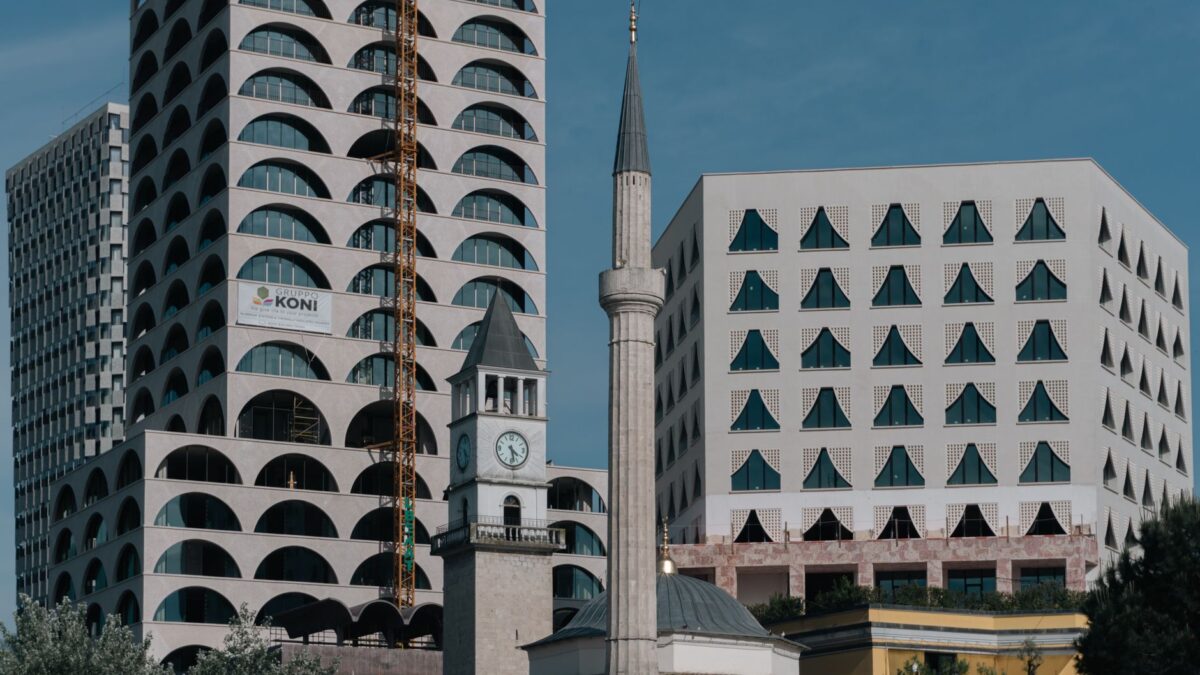
Albania in September 2026: what travelers should know now
Albania in September 2026: Weather, protests, film festivals, and travel tips for Tirana.
 Travel Tips
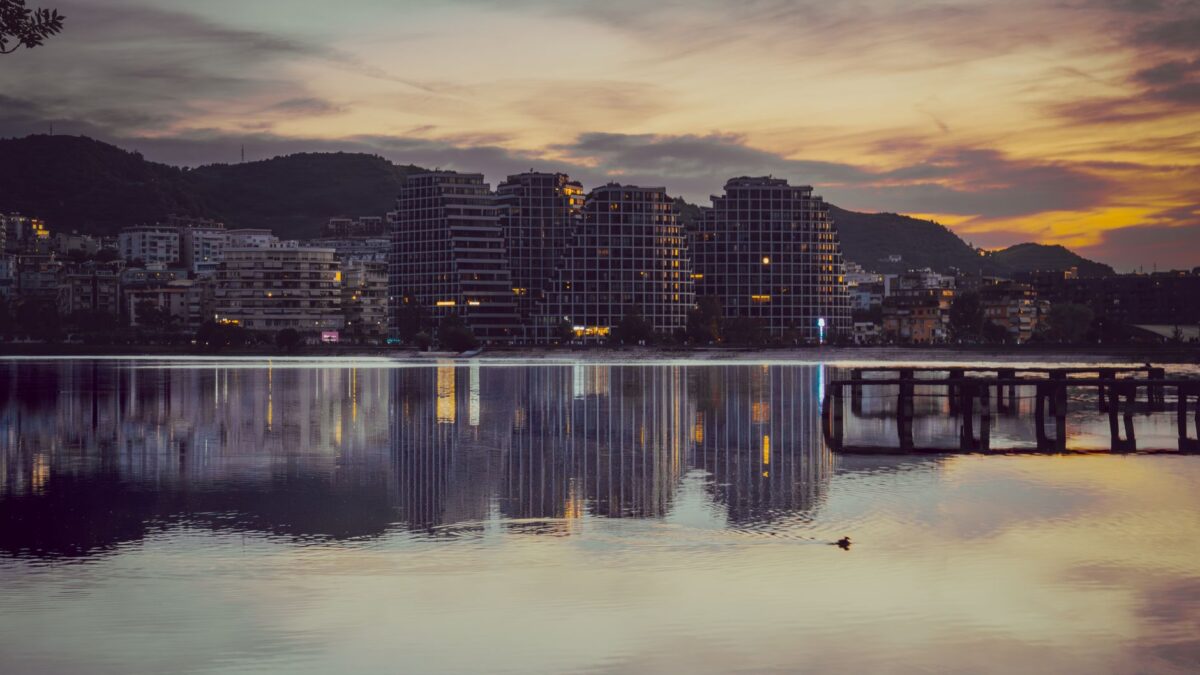
A first-timer’s guide to Albania
A practical first-timer's guide to Albania: best times to visit, transport tips, real costs in Lek, and essential visa info for Tirana.
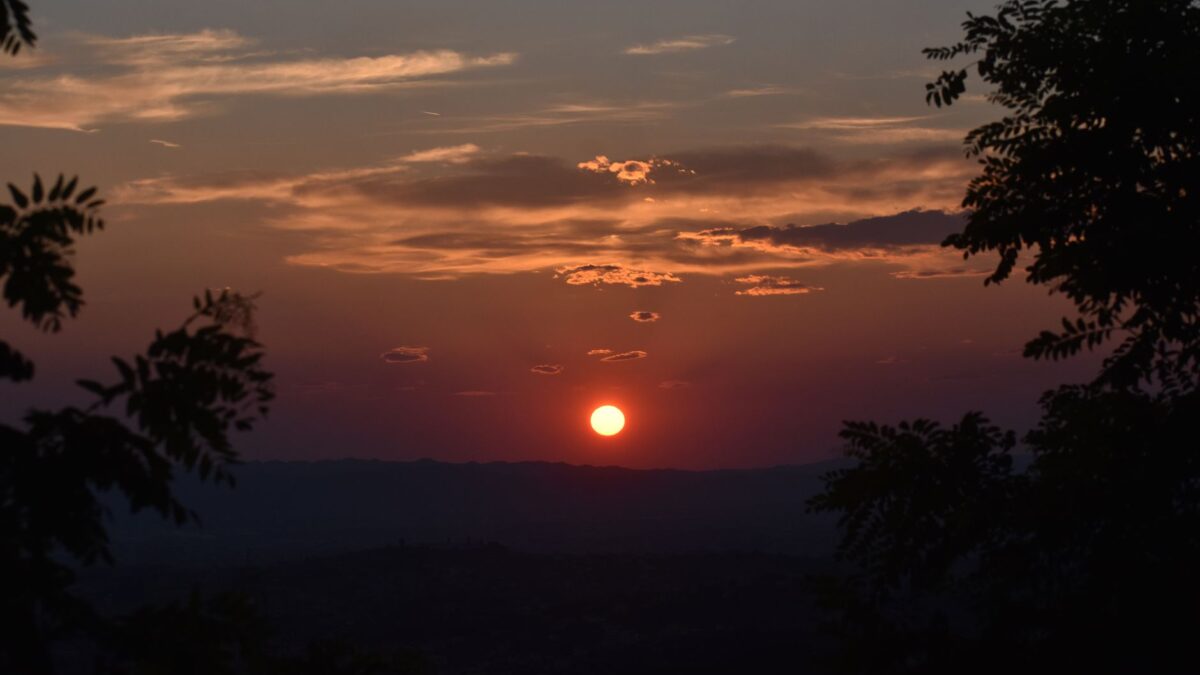 Travel Tips
The best time to visit Albania
When is the best time to visit Albania? Endrit Hoxha breaks down Tirana and the coast season-by-season — weather, prices, crowds, and festivals —…
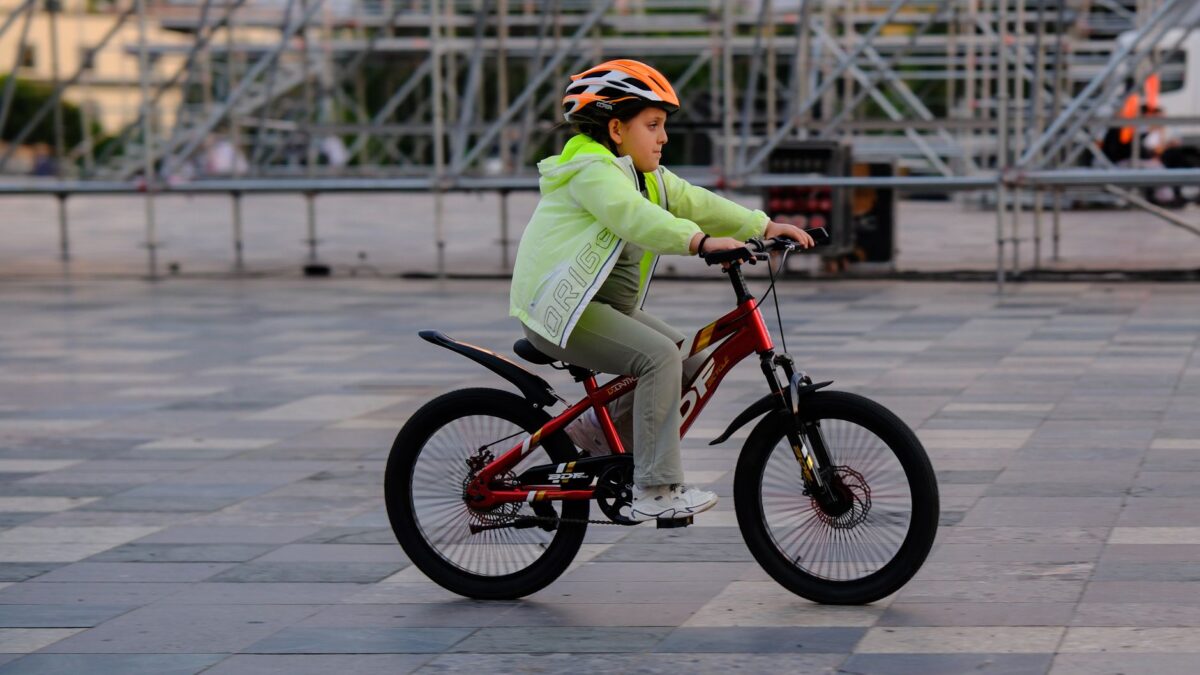 Getting Around
Getting around Tirana: metros, taxis and passes
Discover how to get around Tirana, Albania: buses, taxis, apps, and walking tips from a local. Includes fares, passes, and protests to avoid.
Southern Europe
 Spain
SpainSpain Travel Podcast with Mateo Herrera
The Pyrenees run along the northern border; Madrid and Barcelona anchor Spain's largest urban settlements, and the interior summers are hot and…
 Italy
ItalyItaly Travel Podcast with Sofia Romano
The Po River Valley, with its dense population and plains, contrasts sharply with the mountainous terrain that dominates most of Italy.
 Greece
Greece Travel Podcast with Nikos Pappas
The Peloponnese is a mountainous peninsula with ranges that reach into the Aegean as island chains, while Athens holds one third of…
 Portugal
Portugal Travel Podcast with Inês Carvalho
The westward sweep of the Tagus River divides Portugal’s mountainous north from the rolling southern plains, shaping two distinct worlds in one…