

A first-timer’s guide to Tanzania
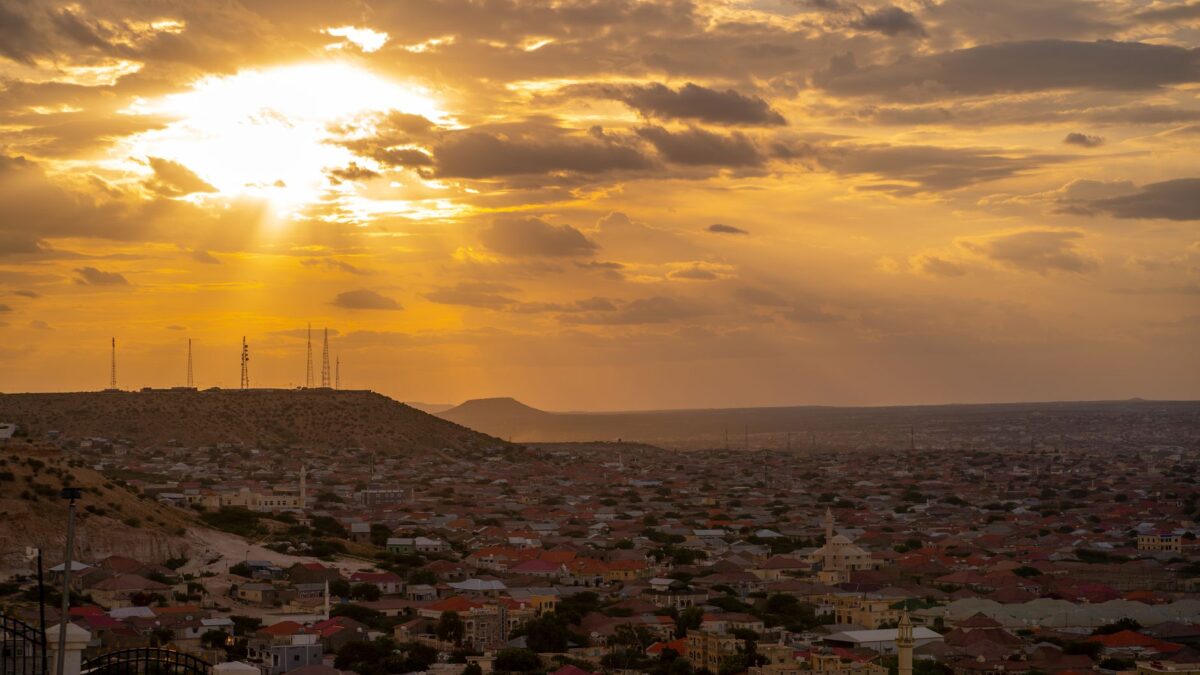
The air in Dodoma has a specific weight to it. It is early October, the tail end of the long dry season, and the dust hangs low over the central plateau—hazy, golden, and completely dry underfoot. If you are standing near Independence Square right now, watching the light shift across the Julius Nyerere Statue, you might feel like you’ve stepped into a capital that is still waking up. Unlike the humid, electric pulse of Dar es Salaam or the misty highlands of Arusha, Dodoma feels spacious, administrative, and quietly proud. For a first-timer, this can be disorienting. You expect grandeur; you find grit and grace in equal measure. But that is exactly where the real Tanzania lives. This guide cuts through the confusion, giving you the practical essentials to navigate this growing heartland without losing your way.
When to Visit: The Dry Season Reality
Tanzania’s climate is not one-size-fits-all. While the coast basks in heat year-round, the interior follows a distinct rhythm. We are currently sitting at the end of the long dry season. Expect temperatures ranging from a cool 18°C in the mornings to a warm 32°C by afternoon. The sky is often overcast but clear of rain, making it ideal for walking around government buildings and markets before the short ‘vuli’ rains arrive in a few weeks.
If you are planning ahead, avoid the peak of the heavy rains (March to May) if you intend to drive outside the city, as roads can become impassable. However, the current window offers excellent visibility for photography and comfortable evenings. Keep in mind that major holidays can disrupt travel plans. For instance, Siku ya Nyerere (Nyerere Day) on October 14th is a significant national holiday. Businesses may close early, and transport schedules can be erratic. Plan your internal flights or long-distance bus trips with this buffer in mind, as locals prioritize family gatherings and official ceremonies during this week.
Getting Around: Daladalas and Dust
Dodoma is spread out. Walking between districts is often impractical due to distance and heat, so you will rely heavily on public transport. The king here is the daladala—the colorful, crowded minibus that serves as the lifeblood of Tanzanian transit. A single ride within the city typically costs around 700 TZS for short trips under 10 kilometers. If you are heading further out, fares might creep up to 750+ TZS. Note that fuel-driven fare hikes earlier this year raised the minimum by about 100 TZS, so always have small change ready.
For those who prefer privacy or are carrying luggage, taxis are available but require negotiation. A short ride within the city center might set you back roughly 2,000–2,200 TZS. Apps like Uber operate in larger hubs, but in Dodoma, hailing a cab or asking your hotel concierge to call one is often more reliable than waiting for a digital match.
A critical logistical note: If you are flying into the capital, do not assume you are landing at Msalato International Airport. Despite construction being roughly 89% complete as of late September, the new airport is not yet open for commercial flights. You will continue to land at the old field. Check your tickets carefully, as infrastructure upgrades are ongoing and can sometimes cause minor delays or terminal changes.
Money Matters: Shillings, Cards, and Costs
You must arrive with Tanzanian Shillings (TZS). While some upscale hotels in Dodoma accept US Dollars, they often offer poor exchange rates. The local rate hovers around 2,597 TZS to the US Dollar, though this fluctuates daily. Inflation is currently stable at around 3.3%, which means prices are predictable, but you should never rely on cards for everyday purchases. ATMs are widely available at branches like CRDB Bank PLC, NBC, and Equity Bank in the city center, but they occasionally run dry of large bills. Always withdraw what you need when you see a machine that is working.
Dodoma is one of Africa’s most affordable capitals. Your money goes far here. A modest meal at an inexpensive local restaurant, such as those found near the main markets, will cost you approximately 6,900–7,100 TZS (about $2.70). If you are hungry, seek out chipsi mayai—a ubiquitous street food of fries mixed with egg. A plate runs about 4,000–5,000 TZS ($1.70) and is a filling, delicious staple. For a coffee fix, places like Kahawa Cafe or The Brew Cafe charge around 5,000 TZS ($1.90) for a cappuccino, which is reasonable given the quality.
Housing costs reflect the city’s status as a secondary hub. A modest one-bedroom flat outside the center rents for about 260,000 TZS monthly ($100), while city-center properties jump to roughly 470,000 TZS. For travelers, mid-range guesthouses offer good value. Expect to pay around 110,000 TZS ($40) per night for a clean, two-star establishment. If you want to splurge, dinner for two at a mid-range restaurant like Golden Fork or THE BISTRO will cost approximately 50,000 TZS ($19).
First-Timer Essentials: What They Wish They Knew
There are nuances to living in Dodoma that don’t show up in guidebooks. First, embrace the dust. In October, the ground is dry and powdery. Wear closed-toe shoes and consider a scarf or mask if you have sensitive lungs. Second, understand the pace. As the administrative capital, Dodoma moves slower than Dar es Salaam. Banks and government offices close promptly at noon and reopen in the afternoon. Plan your errands accordingly.
Third, be aware of local events. The city hosts significant gatherings that affect traffic and availability. For example, the Tanzania Private Schools Expo recently took over Nyerere Square, drawing crowds and children’s activities. Similarly, the NaCoNGO NGO forum at the Jakaya Kikwete Convention Centre can bring thousands of delegates into the city, impacting hotel availability. If you visit near dates like the Wagogo history festival on October 25th, book accommodations well in advance.
Finally, safety is generally high, but vigilance is key. Markets like Machinga Complex are vibrant hubs of commerce but can be chaotic. Recently, a fire incidentally destroyed stalls there, highlighting the need to be careful with personal belongings in dense crowds. Stick to well-lit areas at night, and avoid displaying expensive jewelry or electronics openly. The people here are welcoming, but trust is earned through awareness. Use established venues like La Stanar Hotel or Gerwill Hotel for secure stays, and dine at reputable spots like RORA Restaurant or Chef’s pride to ensure hygiene standards meet your comfort level.
Where to Eat and Stay: Local Recommendations
To truly experience Dodoma, you must eat where the locals eat. For breakfast, try a loaf of bread (500g) for about 2,000–2,200 TZS paired with fresh milk (2,300 TZS/liter) from a local vendor. For lunch, the daladala stops near independent eateries offer the best value. Dinner is a social affair. Head to The Baobab Restaurant By Multi Cable Ltd for a relaxed atmosphere, or visit ZURI LOUNGE DODOMA if you want a modern twist on local cuisine.
If you need a break from the heat, the Dodoma Viewpoint offers a serene escape with panoramic views of the city spreading out below. It is free to access and perfect for sunset photos. For a touch of nature, GLORIOUS GARDEN provides a green respite from the dusty streets. These small moments define the Tanzanian experience—it is not just about the big parks, but the quiet corners of the city where life unfolds steadily.
Frequently asked questions
What is the best time of year to visit Dodoma?
The best time is during the long dry season, particularly from June to October. Early October offers warm days (around 32°C) and cool nights (18°C) with minimal rain, making it ideal for sightseeing before the short vuli rains begin.
How much does a typical meal cost in Dodoma?
Meals are very affordable. An inexpensive local restaurant meal costs around 6,900–7,100 TZS ($2.70). A popular street food dish, chipsi mayai, is about 4,000–5,000 TZS ($1.70). A dinner for two at a mid-range restaurant is approximately 50,000 TZS ($19).
Is it safe to travel around Dodoma at night?
Dodoma is generally safe, but standard precautions apply. Avoid poorly lit areas and keep valuables hidden. Be extra vigilant in crowded markets like Machinga Complex due to occasional incidents like fires or theft. Stick to reputable hotels and restaurants for evening activities.
How do I get around the city without a private car?
The primary mode of transport is the daladala (minibus), with fares starting at 700 TZS for short trips. Taxis are available for short rides at about 2,000–2,200 TZS. Note that the new Msalato Airport is not yet open, so all flights use the existing airport facilities.
What currency should I use in Tanzania?
You should use Tanzanian Shillings (TZS). The exchange rate is approximately 2,597 TZS to 1 USD. While some hotels accept dollars, local markets, daladalas, and small restaurants only accept shillings, so withdraw cash from banks like CRDB or NBC upon arrival.


