How much does a trip to Montenegro cost?
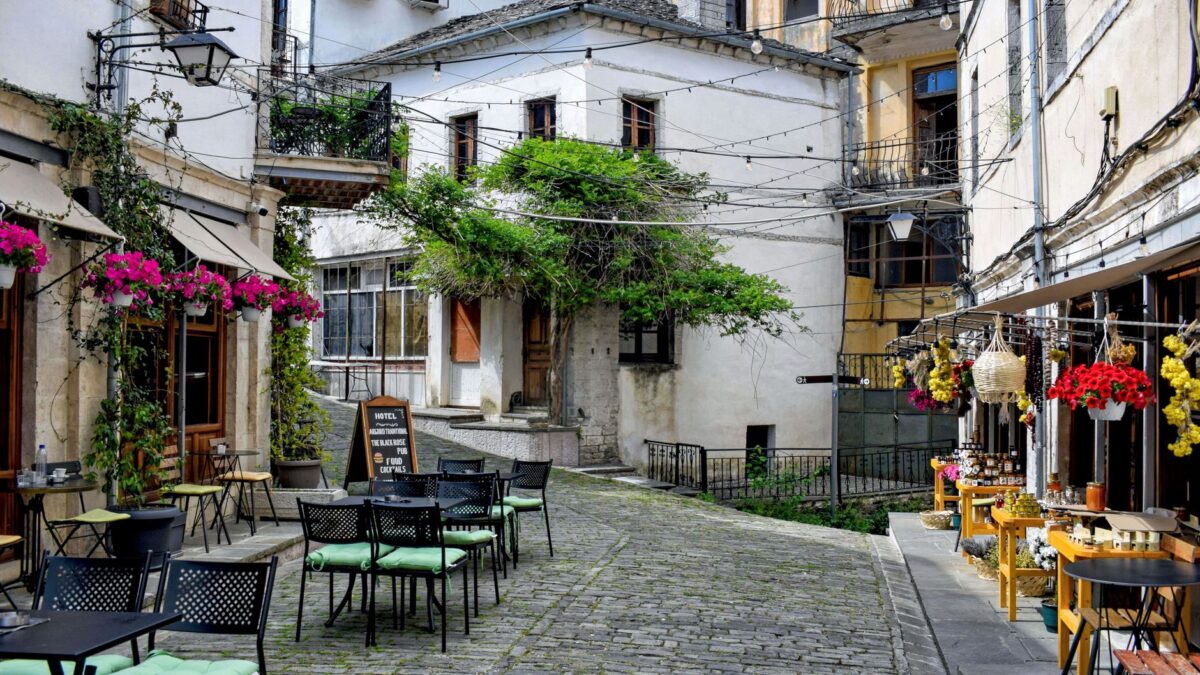
The rain in Podgorica has a specific rhythm this time of year. It’s not the gentle mist of the coast, but a heavy, warm thunderstorm that rolls over the green markets of Zabjelo, washing down the figs and pomegranates stacked high on the wooden crates. I’m standing under the awning of a bakery near the Ribnica River, watching the water rise slightly in the old channel, holding a fresh burek that cost me barely two euros. This is the Montenegro you see when you aren’t chasing the sun on the Adriatic: gritty, beautiful, affordable, and utterly alive.
Many travelers assume that because we use the Euro, Montenegro must be expensive. They picture Western European prices for accommodation and dining. But if you know where to look—and even if you don’t—your wallet will breathe a sigh of relief. Podgorica, our capital, remains one of the most budget-friendly hubs in the Balkans. Whether you are here for the autumn academic conferences at CANU or just to wander through Gorica Park while the leaves turn gold, your daily spend can vary wildly depending on how you choose to experience the city.
The Reality of Accommodation Costs
Let’s start with where you sleep, because this is usually the biggest line item. In Podgorica, you have options ranging from boutique elegance to functional comfort, but you rarely need to break the bank.
If you are looking for a mid-range experience, places like the Boscovich Boutique Hotel or the historic Crnogorska-Kuća offer charm and central locations without the luxury markup. You can expect to pay roughly €60–€90 per night for a clean, well-located room in these establishments. For those seeking something more traditional, Hotel Union provides a reliable, no-nonsense stay that has served business travelers and tourists alike for years.
For the budget traveler, hostels and guesthouses often hover around €25–€40 per night, though private rooms in smaller pensions can sometimes dip lower if you book directly. Conversely, if you want comfort, the Bristol Hotel or LAGUNA offer higher-end amenities, pushing nightly rates toward €100–€130, but even these feel reasonable compared to Paris or Vienna.
A quick local note: if you are staying longer than a week, consider short-term rentals. A modest one-bedroom flat outside the priciest center areas runs about €400–€550 per month. While this is a long-term rate, some owners offer weekly discounts that make it competitive with hotel stays for groups of three or four.
Eating Like a Local vs. Tourist Trap Dining
Food in Montenegro is not just fuel; it’s an event. But you do not need to dine at the fancy spots on the main boulevard to eat well. The real magic happens in the pekare (bakeries) and the small family-run konobas.
Start your day with a burek. This flaky phyllo pastry filled with meat or cheese is the staple breakfast of choice. From any corner bakery, a single piece will set you back only €1.20–€2.00. Pair it with a coffee from Coffee Circus Drži Prži or Oliva Coffee, and you are looking at a morning meal of about €3.50 total. That cup of cappuccino alone costs between €1.40 and €2.00, which is a steal by global standards.
For lunch, skip the tourist menus. Head to a place like Konoba ‘Lanterna’ or find a local grill spot. A plate of grilled meats or a simple burek-and-salad combo at an inexpensive local place costs around €7–€10. If you want to treat yourself to a proper sit-down dinner with wine, a mid-range restaurant like Diplomat Restoran or Babi Gourmet & Wine will charge €15–€25 per person. You might order ćevapi—those grilled minced-meat fingers served with lepinja bread and kajmak—for just €3–€6, which is arguably the best value meal in the city.
Don’t forget the drinks. A local draught beer, specifically Nikšićko, costs between €1.50 and €3.00 in a bar. Walk into Atlas Cafe & Bar or BRIEF coffee & brunch, order a pint, and watch the world go by. You could easily spend an entire evening out for less than €15 if you stick to local favorites.
Getting Around Without Breaking the Bank
Podgorica is compact enough that you can walk much of the center, but when you need to move further, public transport is efficient and cheap. A single local bus fare is approximately €0.90. You buy tickets from kiosks or drivers, and it gets you almost anywhere you need to go in the urban area.
If you are staying for a few days, consider a monthly pass for around €27, which works even for short visits if you plan to hop on and off frequently. Taxis are also very affordable. The base fare for a short ride is roughly €1.30–€1.50. Always ensure the meter is running or agree on a price beforehand, though in Podgorica, taxi drivers are generally honest and fair compared to larger European capitals.
Be aware that construction is ongoing. Streets like Brskutska and VII Omladinske brigade may be closed or rerouted due to reconstruction projects. These detours are minor inconveniences but can add time to your trips. If you are driving, parking in the center can be tricky, but many side streets offer free or low-cost overnight parking if you read the signs carefully.
Attractions: Free Views and Paid Museums
One of the best things about Podgorica is that its most iconic sights are free. The Equestrian statue of King Nikola stands proudly in front of the National Theatre, a perfect photo op. Wander across the Old Ribnica River Bridge to see the historic heart of the city, or climb up to the Monument to A.S. Pushkin and Natalia Goncharova for a quiet moment surrounded by literature and history.
Gorica Park is another zero-cost gem. It’s where locals come to jog, play chess, and escape the heat. Recently, a new ~600 m landscaped promenade on Ljubović Hill was opened, offering stunning views of the city and the Zeta river valley. The investment in green space here is visible, and it’s entirely free to explore.
If you prefer indoor culture, visit JU Muzeji i galerije Podgorice. Museum entry fees are typically nominal, often under €5, making it easy to spend a rainy afternoon learning about Montenegrin history. During events like the Drugarice festival, venues like the Montenegrin Cinematheque and Itaka Library Bar host screenings and discussions, often with free or heavily subsidized entry for attendees.
Your Daily Budget Breakdown
So, what does all this add up to? Here is a realistic look at what you might spend per day in Podgorica, based on current prices.
- Budget Traveler (€25–€35/day): Stay in a hostel or budget guesthouse (~€30), eat burek and street food for meals (~€10), drink local beer/coffee (~€5), and use buses/walking. Note: This is tight if you want to include major attractions, but doable if you focus on free sights.
- Mid-Range Traveler (€60–€80/day): Stay in a boutique hotel or nice apartment (~€70), enjoy a mix of café lunches and nice dinners (~€30), take occasional taxis (~€10), and visit museums. This is the sweet spot for most visitors, allowing for comfort without extravagance.
- Comfortable/High-End Traveler (€120+/day): Stay in a premium hotel like the Bristol (~€120+), dine at upscale restaurants like Babi Gourmet (~€40+), hire private transfers, and enjoy spa services or guided tours. Even at this level, you are paying significantly less than in Western Europe.
Montenegro’s economy is stable, with inflation hovering around 3.9% as of recent data. Prices are drifting up slightly, but they remain incredibly accessible. You can live well here on a fraction of what it costs elsewhere. So, pack your bags, bring your appetite for kajmak, and get ready to fall in love with a city that feels like home before you’ve even checked into your hotel.
Frequently asked questions
Is Podgorica expensive for tourists?
No, Podgorica is notably affordable by Western European standards. A modest meal costs around €7–€10, and a coffee is €1.40–€2.00. Daily budgets can range from €30 for budget travelers to €80 for mid-range comfort.
How much does a taxi cost in Podgorica?
Taxi fares are low, with a base fare starting around €1.30–€1.50 for a short ride. Public bus fares are even cheaper at approximately €0.90 per ticket.
What is the average cost of accommodation in Podgorica?
Budget hostels start around €25–€40 per night. Mid-range boutique hotels like Boscovich or Crnogorska-Kuća typically cost €60–€90, while upscale options like the Bristol Hotel can exceed €100 per night.
Where can I eat cheaply in Podgorica?
For the best value, visit local bakeries (pekare) for burek (€1.20–€2.00) or grills for ćevapi (€3–€6). Casual cafes like Oliva Coffee or Coffee Circus offer excellent coffee for around €1.40–€2.00.
Are there free attractions in Podgorica?
Yes, many top sights are free. You can visit Gorica Park, see the Equestrian statue of King Nikola, cross the Old Ribnica River Bridge, and explore the new promenade on Ljubović Hill without paying an entrance fee.
Things to do in Montenegro
 Nevidio Canyoning
 Private tour: Homemade food and wine tasting at my family home
 Kotor private cooking class with lunch and Old town guided tour
 Lady of the Rocks & Perast Old Town Private Tour (up to 5 people)
 Private transfers from Podgorica Airport and city to Budva
 Exciting And Historical Perast - Private tour