
What to eat in Namibia — and what it costs
There is a specific rhythm to eating in Windhoek when the jacarandas are dropping their purple petals onto the pavement. It is not just about hunger; it is about timing. You have to catch the city between the long, dusty dry season heat and the sudden, dramatic thunderheads that roll in from the horizon. Right now, with the weather turning—hail hitting the streets in early October and the air holding that heavy, electric charge before the rains—the best way to ground yourself is through what you put on your plate. I am Helena Shipanga, and if you are looking for the real taste of Namibia, away from the generic tourist traps, you need to know where to go and what to expect to pay.
The economy here is tight, with inflation hovering around 3.5% and the Namibian dollar (NAD) doing its best against the US dollar at roughly 18.3 per dollar. This means your money goes further than you might think, but prices are not uniform. A meal by the airport might cost one thing, while a sit-down dinner in Katutura or downtown hits a different note entirely. Let’s walk through the dishes worth seeking out, the places that actually serve them, and the honest costs involved.
The Staples: Kapana and Biltong
You cannot talk about Namibian food without addressing the elephant in the room—or rather, the cattle. Recently, there has been significant news regarding foot-and-mouth disease outbreaks affecting our livestock exports. The EU has temporarily suspended imports of our fresh beef, sheep, goat meat, biltong, and jerky following an outbreak confirmed in the Karasburg district. We lost our FMD-free status, which is a major talking point locally. But for you, the traveler, this does not mean the food stops. It means we are eating our own produce, and the quality remains exceptional because we have no choice but to rely on local herds.
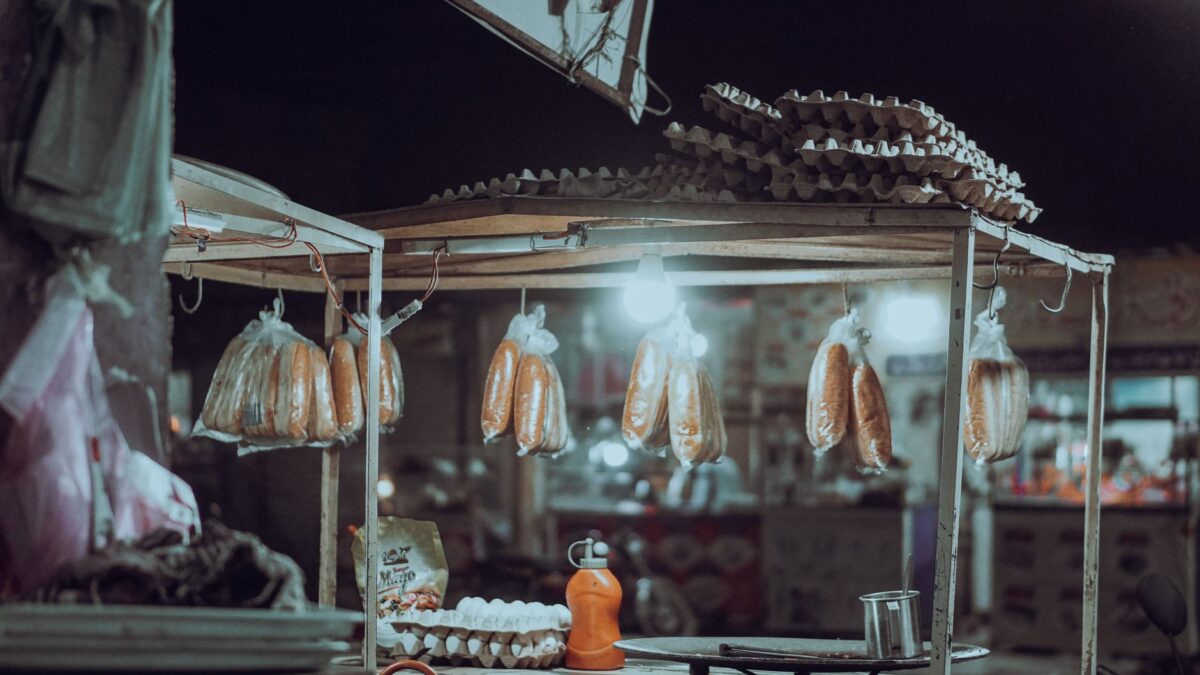
Kapana is Namibia’s answer to street food. It is grilled meat, usually beef, chopped into small chunks and seasoned with a dry rub that ranges from mild to fiery hot. You find it everywhere, but the best spots are often informal setups near taxi ranks or industrial areas. In Windhoek, you can grab a paper cone of Kapana for NAD 40 to NAD 60 (about $2.20–$3.30). It is cheap, it is smoky, and it is incredibly satisfying. If you want a more formalized experience, head to Joe’s Beerhouse. While known for its craft beers, their grilled meats are legendary. A portion of their signature grilled steak or lamb will set you back around NAD 120 to NAD 180 ($6.50–$9.80), served with chips and a salad. It is a solid, reliable meal that showcases the tenderness of our local beef.
Biltong is dried, cured meat, similar to jerky but sliced thicker and often saltier. You will see it hanging in every shop. Buy a bag from a local spaza shop or a dedicated biltong store like The Roadhouse Deli and Grill for snacking. A small bag costs about NAD 30 ($1.60), while a larger share platter for two might be NAD 150 ($8.20). It is the perfect souvenir that you can eat immediately.
Oshikundu and Traditional Comforts
If you want to understand the soul of Namibia, you must try Oshikundu. This is fermented milk, traditionally made from cow’s milk but sometimes goat’s, with a tangy, yogurt-like consistency. It is refreshing in the heat and pairs perfectly with stiff maize pap (otjikaawa). You will rarely find Oshikundu served in high-end restaurants, but you can find it at Cafe Maca or smaller local eateries in the northern parts of town. A glass or bowl costs roughly NAD 10 to NAD 15 ($0.55–$0.80). Pair it with a plate of pap and stewed chicken or mutton for a full lunch for under NAD 60 ($3.30).
Another dish to seek out is Chakalaka, a spicy vegetable relish made with beans, peppers, onions, and tomatoes. It is often served as a side dish but can be a meal on its own with bread or pap. At The BARN, a popular spot for brunch and light lunches, you can order a Chakalaka toastie or side for around NAD 50 ($2.70). It is vibrant, colorful, and packs a punch of flavor that lingers.
Modern Namibian Dining
Windhoek has a growing culinary scene that blends international techniques with local ingredients. For a proper sit-down dinner, The Cork & Fork Restaurant is a staple. They focus on fresh, local produce, including game meats like kudu and springbok. A main course here will range from NAD 130 to NAD 200 ($7.10–$10.90). The wine list is extensive, featuring excellent Namibian wines, which add another layer to the experience. A bottle of local red might cost NAD 150 ($8.20) to NAD 300 ($16.40), depending on the vintage.
For something lighter, Leo’s Garden Restaurant offers a serene setting with a menu that changes seasonally. Their salads and grilled fish are particularly good. Expect to pay around NAD 100 to NAD 160 ($5.50–$8.70) for a main dish. It is a great place for a business lunch or a quiet afternoon meal. If you are craving coffee and pastries, Shema Coffee is a local favorite. A latte and a slice of cake will cost about NAD 40 to NAD 50 ($2.20–$2.70). It is a small price to pay for the ambiance and the quality of the brew.
Practical Tips and Current Context
As you navigate Windhoek’s food scene, keep in mind the current infrastructure challenges. Auas Road is undergoing a long-running upgrade, with the southbound carrieway closed between Sean McBride Street and Mandume Ndemufayo Avenue. Traffic is diverted onto the northbound lane, and this construction has been ongoing for over a year, expected to last until July 2027. This affects access to some southern suburbs, so plan your routes accordingly if you are dining in areas like Suiderhof. The Southern Entrance Recreational Park in Suiderhof has also been closed due to these works, so avoid heading there for a picnic.
Weather-wise, early October can be unpredictable. We recently experienced hail in the afternoon, a sign of the erratic weather patterns continuing across the capital. Always check the forecast before heading out for outdoor seating. The temperature typically ranges from 18°C to 32°C, but the humidity and rain can change the feel of the day quickly. Dress in layers.
Finally, be aware of the social context. There have been reports of children begging and selling items at intersections, which has raised concerns among residents and tourists. While this is a complex socio-economic issue, it is part of the reality of navigating the city. Be respectful, do not engage in harassment, and consider supporting local initiatives that address these challenges directly rather than giving cash at traffic lights.
Eating in Namibia is an act of connection—to the land, to the people, and to the history. Whether you are grabbing a quick Kapana on the run or sitting down for a leisurely dinner at The Cork & Fork, you are participating in a culture that values hospitality and flavor. Trust your instincts, ask locals for their recommendations, and enjoy every bite.
Frequently asked questions
What is the most popular street food in Windhoek?
Kapana is the most popular street food, consisting of grilled, chopped beef seasoned with dry spices. It is widely available and costs around NAD 40-60.
Is it safe to eat traditional meat dishes given the recent foot-and-mouth outbreak?
Yes. While exports to the EU are temporarily suspended due to an outbreak in Karasburg, local consumption remains safe and high-quality as Namibia relies on its domestic herds.
Where can I try Oshikundu in Windhoek?
Oshikundu is available at local cafes and eateries such as Cafe Maca. It is a fermented milk drink that pairs well with pap and stews.
How much should I budget for a mid-range dinner in Windhoek?
A mid-range sit-down meal at places like The BARN or Leo's Garden Restaurant typically costs between NAD 100 and NAD 200 per person.
Are there any road closures affecting access to restaurants in Windhoek?
Yes, the southbound carrieway of Auas Road is closed due to upgrades until July 2027. Additionally, the Southern Entrance Recreational Park in Suiderhof is closed.


