

A first-timer’s guide to Norway
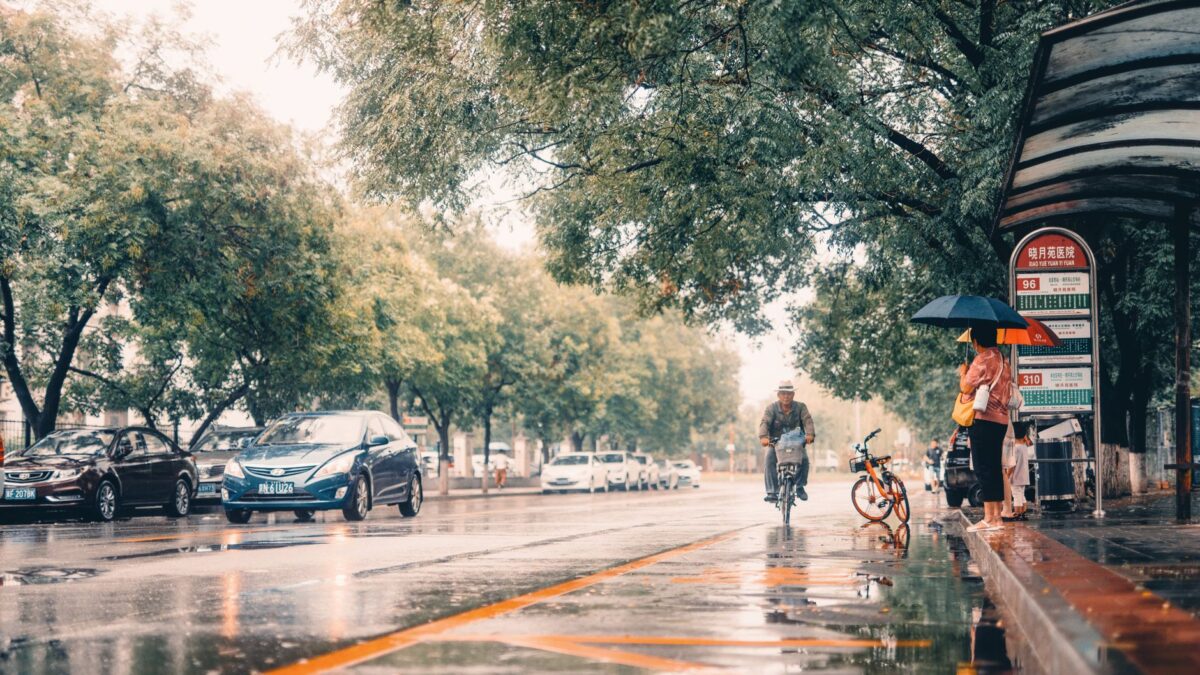
The rain in Oslo doesn’t fall so much as it hangs in the air, a fine, persistent mist that turns the city’s grey stone into something softer, more intimate. It is early October here, and the light is already retreating, shrinking to a golden hour that lasts barely twenty minutes. If you are arriving now, wrapped in layers against the 4°C chill, you are stepping into the heart of Norway’s most magical season. The birch trees in Nordmarka are burning gold, the smell of fårikål—lamb and cabbage stew—is drifting from every bistro window, and the city is settling into its cozy, introspective rhythm before the long winter dark sets in. I am Ingrid Solberg, and this is how you navigate my home without freezing your toes or breaking your wallet.
When to Come and How Long to Stay
Norway is a country of extreme contrasts, but for a first-timer, timing is everything. If you want the midnight sun, aim for June. But if you crave drama, autumn and winter offer the best stories. Right now, in October, you get the “golden autumn”—short days, crisp air, and the chance to see the northern lights starting to flicker in the far north. However, if you are visiting Oslo specifically, be prepared for the weather. As I write this, it is drizzling heavily, with temperatures hovering around 2°C when the wind picks up. This is normal. Pack waterproofs, not just umbrellas, which tend to invert in the coastal winds.
For duration, give yourself at least ten days. You need three or four days to properly absorb Oslo—the museums, the fjord walks, the coffee culture—and then six to seven days for the fjords. Do not try to rush the west coast. Take the train from Oslo to Bergen; it is one of the most beautiful journeys on earth. If you only have five days, stay in Oslo and day-trip to the nearby islands like Hovedøya or the forest trails of Sognsvann, reachable directly by the T-bane metro.
Getting Around: The Ruter System and Beyond
Oslo is compact, walkable, and brilliantly connected, but it demands respect for its transit rules. Public transport is run by Ruter, covering buses, trams, the T-bane (metro), and ferries. It operates on a zone system. For a first-timer, the single fare in Zone 1 is roughly 46 NOK (about $4). You must validate your ticket before boarding. There are no conductors, but there are random inspectors, and the fine for fare evasion is steep—around 950 NOK. That hurts.
If you plan to use the metro daily, buy a 30-day pass. Thanks to a government subsidy implemented in May 2026, the price for Zone 1 has been cut to approximately 655 NOK (about $60) per month, down from previous years. This is a steal compared to rents, which average around 15,300 NOK ($1,420) for a modest one-bedroom flat. Use the Ruter app to buy tickets instantly; buying a physical Reisepass card is optional but useful if you want to tap and go without pulling out your phone every time.
For getting to the airport, avoid Flytoget if you are watching your budget. The Vy train takes about 23 minutes and costs significantly less than the Flytoget express, while the Flybussen coach is another reliable alternative. Inside the city, walking is often faster than waiting for a tram, especially in districts like Grünerløkka, where indie cafés line Markveien and the Akerselva river cuts through the neighborhood.
Money Matters: The Price of Coffee and Cabbage
Let us address the elephant in the room: Norway is expensive. Oslo is consistently ranked among Europe’s most costly cities. A single local beer at a bar will set you back 90–130 NOK (about $10). A cup of coffee, which Norwegians take seriously, costs between 50 and 80 NOK ($6). You will pay around 18–25 NOK ($2) for a litre of milk and 30–50 NOK ($4) for a loaf of bread. Dinner at a mid-range restaurant runs 300–500 NOK ($35) per person.
However, you can eat well on a budget. Lunch is the Norwegian secret. Many places offer “dagensrett” (daily special) or lunch menus for 150–200 NOK ($16). Visit Mathallen Oslo, the food hall in Bjørvika, for incredible variety at reasonable prices. For a quick, iconic fix, grab a pølse (hot dog) from a kiosk for about 30–45 NOK ($3). It is cheap, delicious, and part of the cultural fabric. Pair it with a Skillingsbolle (cinnamon bun) from a café like Supreme Roastworks or Tim Wendelboe, and you have conquered breakfast.
Cash is rarely used. Cards are accepted everywhere, even for small purchases. You do not need to hunt for ATMs. Just ensure your bank does not charge excessive foreign transaction fees. If you are staying longer than a few weeks, note that opening a bank account usually requires a Norwegian ID number (fødselsnummer), which ties into the BankID electronic-ID system used for almost all digital services.
Essentials First-Timers Wish They’d Known
There are practicalities that trip up visitors, often because they assume Norway operates like Sweden or Denmark. Here is what you need to know.
- The Visa Situation: Norway is in Schengen but not the EU. US, UK, Canadian, Australian, and NZ citizens can stay visa-free for 90 days in any 180-day period. If you are from elsewhere, check the UDI website. Be aware that the EU’s biometric Entry/Exit System (EES) is now operational, and ETIAS is expected to launch around late 2026. Always check politiet.no for the latest entry requirements.
- Sunday Silence: Shops generally close on Sundays. This is law, not custom. Plan your grocery shopping on Saturday. Restaurants and bars remain open, however, so Sunday evenings are great for dining out.
- Museum Mondays: Many museums, including the National Museum and the Fram Museum, are closed on Mondays. Structure your itinerary accordingly. On Mondays, explore the Vigeland Sculpture Park in Frognerparken instead—it is open year-round and free.
- Safety: Oslo is very safe. Violent crime is rare. The main nuisances are petty theft near Oslo Central Station and the nightlife areas, and an open drug scene around the station. Use normal city caution. At night, stick to well-lit areas in Bjørvika or Aker Brygge, where the Opera House and MUNCH museum create vibrant, populated spaces.
- Water and Air: Tap water is some of the cleanest in the world. Ask for “vanntapet” in restaurants, and you will get a glass of fresh, cold water for free. Breathe deeply; the air in the Oslomarka forests, just minutes from the city center, is pristine.
Norway rewards patience. It does not shout for your attention like Paris or Tokyo. It whispers. It waits for you to slow down, to buy a Fuglen coffee, to walk along the Aker Brygge waterfront, and to watch the white-tailed sea eagles circle the Oslofjord. Come for the fjords, stay for the quiet. Try not to let the drizzle bother you—it’s just part of the welcome.
Frequently asked questions
Is Norway expensive for tourists?
Yes, Norway is one of Europe's most expensive countries. Expect to pay around 300-500 NOK ($35) for a mid-range dinner and 50-80 NOK ($6) for a coffee. However, lunch specials can be found for 150-200 NOK ($16).
Do I need a visa for Norway?
If you are from the US, UK, Canada, Australia, or NZ, you do not need a visa for stays up to 90 days within a 180-day period due to Schengen agreements. Other nationalities should check the UDI website.
How do I pay for public transport in Oslo?
Use the Ruter app to buy tickets for the metro, bus, and tram. Single fares are about 46 NOK ($4). A monthly pass is approximately 655 NOK ($60). Remember to activate your ticket before boarding.
What is the best time to visit Oslo?
October offers golden autumn foliage and cozy vibes, though it is cool and rainy (around 4°C). June provides the midnight sun, while winter offers snow and northern lights opportunities further north.
Are shops open on Sundays in Oslo?
No, most retail shops are closed on Sundays due to strict trading laws. Restaurants, cafes, and major attractions like the Vigeland Park remain open.
Things to do in Norway
 Northern Lights Adventure
 Likely to sell out
Northern Lights Expedition Tromsø - 6 people - Arctic Photo Guide
Likely to sell out
Northern Lights Expedition Tromsø - 6 people - Arctic Photo Guide
 Northern Lights Private tour with your special ones - Greenlander
 Special offer
Private Husky Sledding: Drive or Ride – 2 Hours from Tromsø
Special offer
Private Husky Sledding: Drive or Ride – 2 Hours from Tromsø
 Oslo's Scenic Fjord Hike & Chef's Norwegian Forest Waffle
 Sleigh Ride w/ snacks - Experience Arctic Farm Life