

A week in Pretoria on a mid-range budget
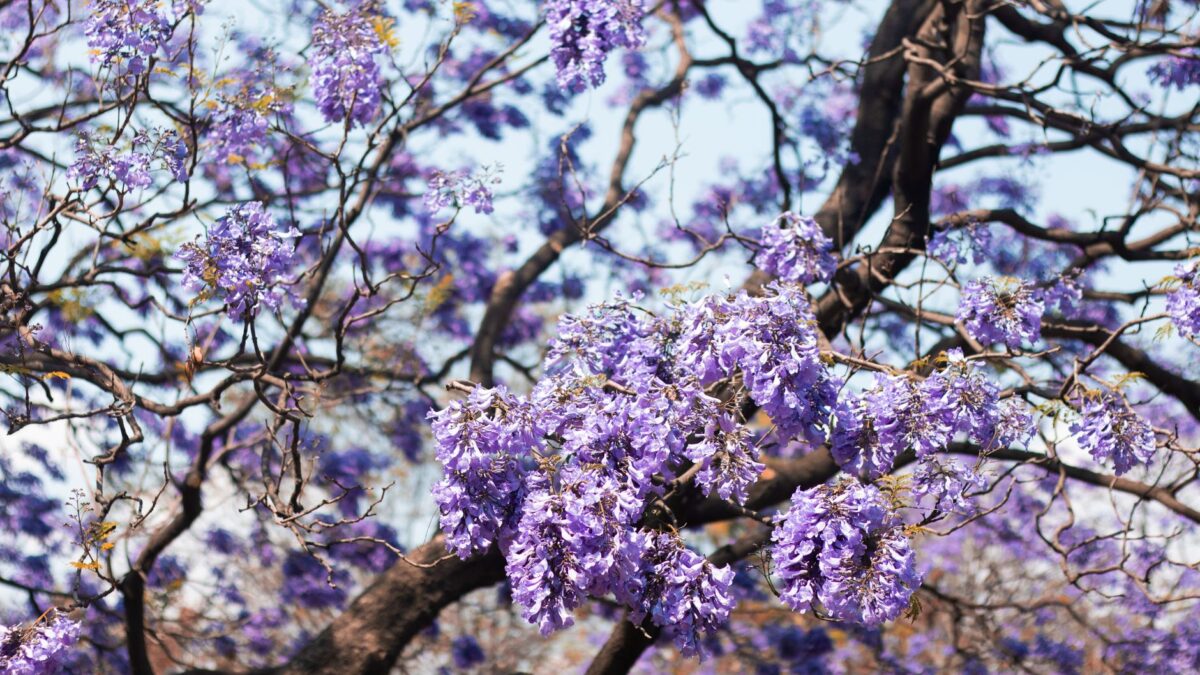
The Jacarandas are in full, violent bloom right now. If you’re walking down Arcadia or Milner Street this week, the air is thick with purple petals and the scent of highveld spring rain. Pretoria feels alive, crisp mornings giving way to hot afternoons that often break into dramatic thunderstorms by late afternoon. But while the city looks like a postcard, navigating it on a mid-range budget requires knowing where the money goes—and where it doesn’t. As Sipho Ndlovu, I’ve walked these streets long enough to know that ‘mid-range’ here means comfortable, safe, and deeply local, not flashy. Let’s break down what a week actually costs when you stay in the heart of Gauteng.
Where You’ll Sleep: The Neighborhood Premium
Your accommodation choice dictates your entire week. In Pretoria, you aren’t just paying for a bed; you’re paying for proximity to safety and convenience. For a mid-range traveler, Menlyn Apartments or similar serviced options in the Menlyn precinct offer modern security and easy mall access, but they sit slightly away from the historic center. Alternatively, if you want to be within walking distance of the Union Buildings and the diplomatic hustle of Arcadia, look at places like Casta Diva Boutique Hotel or 137 Murray Street Guest House.
Be realistic about rent vs. hotel costs. A modest one-bedroom flat in the city centre rents for around R7,500–R8,000 per month (≈ $420), which sounds cheap until you factor in utilities and security deposits. For a short stay, nightly rates fluctuate. Expect to pay a premium for the ‘ambassadorial belt’ of Waterkloof, where over 100 homes are leased by foreign missions. However, Hazelwood—the self-styled foodie quarter centered on 16th Street—offers a sweet spot. It’s hip, middle-to-upper-income, and packed with cafes, making it ideal for travelers who want to eat well without driving everywhere. Booking through platforms that verify guest reviews is non-negotiable here; safety is paramount, and most suburbs are ‘boomed’ with guardhouses for good reason.
Getting Around: The Gautrain vs. The Road
Pretoria is car-centric. While public transport exists, it is fragmented. The star of the show is the Gautrain. If you’re arriving from OR Tambo Airport or heading to Sandton for a day trip, the single train trip from Hatfield station costs between R80–R100 (≈ $5). It’s pricey compared to local buses, but it’s fast, safe, and avoids the notorious traffic on the N1 and N3 highways. You’ll need a Gautrain Gold Card (about R21) or can use contactless bank cards for pay-as-you-go travel.
For local movement, the A Re Yeng BRT system and Tshwane Bus Services cover some routes, with single trips ranging from R13 for a short hop to R35 for longer commutes. However, as a visitor, relying on minibus taxis or street-hailing cabs can be risky, especially after dark. The smart move? Use Uber or Bolt. They are affordable, reliable, and keep you off poorly lit side streets where opportunistic vehicle break-ins are common. If you’re staying in Hatfield, near the University of Pretoria (‘Tukkies’), you’re already close to many student-friendly eateries and the Gautrain station, saving you transit time and money.
Eating Like a Local: From Bunny Chow to Rooftop Views
Food is where your budget will stretch furthest. Pretoria has a vibrant culinary scene that ranges from street hawkers to sophisticated dining. An inexpensive meal at a local restaurant runs about R150 (≈ $8). This gets you a solid plate of pap and stew or a fresh salad at a place like Grounded at Echo or Sorcery Coffee Roasters.
For a more immersive experience, head to the CBD’s WF Nkomo Street hawker strip. Here, you can spend anywhere from R50–R200 per person (≈ $7–$11) on authentic street food. Try a bunny chow (a hollowed-out loaf filled with curry) or a kota—a stuffed sandwich that is a Pretoria institution. These spots are lively, loud, and incredibly cheap, though you should remain vigilant with your belongings.
If you want to celebrate the end of a productive day, splurge on a mid-range dinner for two at a place like SMOKE Pretoria or The View Rooftop Bar. A three-course meal without drinks will set you back around R600 (≈ $35). This is a reasonable price for the quality and ambiance, especially with views of the jacaranda-lined streets or the city skyline. Avoid fast-food chains unless you’re in a rush; a McDonald’s combo is about R88 (≈ $5), but you’re missing out on the real flavor of the city.
Attractions: History, Nature, and the Jacaranda Drift
Your biggest expense might be entry fees, but many of Pretoria’s highlights are free or low-cost. Start at the Union Buildings. The Sir Herbert Baker-designed sandstone seat of government is open to visitors during the day. Walk the terraced gardens, take in the panoramic views of the city, and stand before the 9-meter bronze statue of Nelson Mandela. It’s powerful, symbolic, and costs nothing.
Next, head south to the Voortrekker Monument. This colossal granite structure commemorates the Great Trek. Entry includes access to the marble Historical Frieze and a rooftop view over Pretoria. It’s a significant historical site, and while prices vary, it’s a worthwhile investment in understanding the country’s complex past. Similarly, Freedom Park on Salvokop hill offers a moving tribute to those who died in South Africa’s liberation struggles, featuring the Wall of Names. It’s a serene place for reflection, often included in guided tours or accessible via local transport.
Nature lovers should visit the Pretoria National Botanical Garden. Originally part of the University of Pretoria’s experimental farm, it’s a birdwatcher’s haven with 198 recorded species. Wander among the cycads and aloes. It’s a peaceful escape from the urban heat. Finally, don’t miss the Kruger House Museum, the 1884 Victorian home of Paul Kruger. Seeing his personal railway coach in the garden adds a tangible layer to the history of the South African Republic.
Practical Costs and Current Realities
As you plan your week, keep current events in mind. October is peak jacaranda season, so accommodations fill up fast. Also, be aware of the ongoing service delivery challenges. Parts of Pretoria East have experienced intermittent power cuts due to substation issues, so ensure your lodging has backup power. Additionally, social tensions remain high in areas like Marabastad, where protests against immigrants have been frequent; stick to well-trodden tourist paths and avoid political demonstrations.
Banking is easy with major players like FNB, Standard Bank, and Capitec. ATMs are widespread, but always use machines inside malls or banks for safety. For connectivity, grab a prepaid SIM from Vodacom or MTN at the airport or a store in Hatfield. Remember, every SIM must be RICA-registered with your passport.
In summary, a week in Pretoria on a mid-range budget is very manageable. With careful planning, you can enjoy world-class hospitality, rich history, and stunning natural beauty without breaking the bank. The key is to embrace the local rhythm: wake early for the cool air, explore the jacaranda-draped streets, eat where the locals eat, and never underestimate the value of a good Uber ride home.
Frequently asked questions
Is Pretoria safe for tourists?
Pretoria is generally safe in tourist areas like Arcadia, Brooklyn, and Hazelwood, but crime is opportunistic. Avoid walking downtown or in Sunnyside after dark, use Uber/Bolt instead of street taxis, and keep doors locked in cars.
What is the best way to get around Pretoria?
The Gautrain is the fastest option for inter-city travel (e.g., to Johannesburg/Sandton) costing R80–R100. Locally, Uber/Bolt is recommended for safety and convenience. Public buses (A Re Yeng) are cheaper (R13–R35) but less convenient for tourists.
How much does food cost in Pretoria?
An inexpensive local meal is around R150 (≈ $8). Street food in the CBD can be as low as R50–R200 per person. A mid-range dinner for two at a nice restaurant costs about R600 (≈ $35).
When are the jacarandas in bloom?
Peak bloom occurs in mid-to-late October. Streets like Arcadia and Groenkloof are carpeted in purple petals during this time, making it the most picturesque season to visit.
Do I need a visa to visit Pretoria?
Citizens of the US, UK, EU, Canada, and Australia do not need a visa for stays up to 90 days. However, all travelers must file a digital Traveller Declaration via SATMS before arrival. Check specific requirements for your nationality.
Things to do in South Africa
 India Venster: sensational half-day route up Table Mountain
 Cape Peninsula & Penguins Private Day Tour, Entrances Included.
 Table Mountain Private Hike Tour of Kasteelpoort Route from Cape Town
 Private Full Day Safari (10 hours) in Kruger National Park
 Open Vehical Safari in Kruger National Park Half Day
 HIKE Cape Town-South Africa With a Private Guide