


South Africa Travel Podcast with Sipho Ndlovu
Hosted by Sipho Ndlovu — a new episode every day from South Africa.
South Africa Travel Podcast with Sipho Ndlovu follows one person’s slow journey through a country of vast interior plateaus, rugged hills and a narrow coastal plain. The climate is mostly semiarid, but the east coast turns subtropical, and daily life balances sunny days with cool nights. That contrast shapes how travel actually feels here.
He moves between Johannesburg, Durban, the West Rand and the Cape of Good Hope. Each place changes the pace: the interior plateau near Pretoria feels different from the coastal plain around Port Elizabeth. The eastern half of the country is more densely populated than the west, and that shapes routes, seasons and conversation.
He stays in one place long enough to learn its rhythms, then moves somewhere connected to it. Dry winters give way to warm summers with different light on the plateau and the coast. Returning to familiar streets and landscapes, he notices what has shifted and what remains, building a picture of South Africa over years.
Recent episodes
Things to do in South Africa
 India Venster: sensational half-day route up Table Mountain
 Cape Peninsula & Penguins Private Day Tour, Entrances Included.
 Table Mountain Private Hike Tour of Kasteelpoort Route from Cape Town
 Private Full Day Safari (10 hours) in Kruger National Park
 Open Vehical Safari in Kruger National Park Half Day
 HIKE Cape Town-South Africa With a Private Guide
 Safaris in Kruger National Park Full Day
 Cape Town: Lion's Head Sunset Hike
Plan your trip to South Africa
Getting around
Staying connected
South Africa at a glance
South Africa in depth
Reference data on the country — geography, people, history, economy and transport.
Geography and climate
Location
Southern Africa, at the southern tip of the continent of Africa
Terrain
Vast interior plateau rimmed by rugged hills and narrow coastal plain
Climate
Mostly semiarid; subtropical along east coast; sunny days, cool nights
Elevation
- Highest point
- Ntheledi (Mafadi) 3,450 m
- Lowest point
- Atlantic/Indian Oceans 0 m
- Mean elevation
- 1,034 m
Area
- Total
- 1,219,090 sq km
- Land
- 1,214,470 sq km
- Water
- 4,620 sq km
Size comparison
Slightly less than twice the size of Texas
Coastline
2,798 km
Land borders
- Total
- 5,244 km
- Border countries
- Botswana 1,969 km; Lesotho 1,106 km; Mozambique 496 km; Namibia 1,005 km; Eswatini 438 km; Zimbabwe 230 km
Natural resources
Gold, chromium, antimony, coal, iron ore, manganese, nickel, phosphates, tin, rare earth elements, uranium, gem diamonds, platinum, copper, vanadium, salt, natural gas
Land use
- Agricultural land
- 79.4% (2023 est.)
- Arable land
- 9.9% (2023 est.)
- Permanent crops
- 0.3% (2023 est.)
- Permanent pasture
- 69.2% (2023 est.)
- Forest
- 18.7% (2023 est.)
- Other
- 1.9% (2023 est.)
Natural hazards
Prolonged droughts
Volcanism: the volcano that formed Marion Island in the Prince Edward Islands is South Africa's only active volcano
Note
Note 1: South Africa completely surrounds Lesotho and almost completely surrounds Eswatini
Note 2: sometimes mistaken for the southernmost point of Africa, the Cape of Good Hope is more accurately described as the southwestern-most point of the African continent; Cape Agulhas, the meeting point of the Atlantic and Indian Oceans, is the southernmost point of the African continent
People and society
Population
- Total
- 61,089,926 (2025 est.)
- Male
- 29,989,969
- Female
- 31,099,957
Nationality
- Noun
- South African(s)
- Adjective
- South African
Ethnic groups
Black African 80.9%, Colored 8.8%, White 7.8%, Indian/Asian 2.6% (2021 est.)
Languages
- Languages
- IsiZulu or Zulu (official) 25.3%, isiXhosa or Xhosa (official) 14.8%, Afrikaans (official) 12.2%, Sepedi or Pedi (official) 10.1%, Setswana or Tswana (official) 9.1%, English (official) 8.1%, Sesotho or Sotho (official) 7.9%, Xitsonga or Tsonga (official) 3.6%, siSwati or Swati (official) 2.8%, Tshivenda or Venda (official) 2.5%, isiNdebele or Ndebele (official) 1.6%, other (includes South African sign language (official) and Khoi or Khoisan or Khoe languages) 2% (2018 est.)
- Major-language sample(s)
- Die Wereld Feite Boek, n’ onontbeerlike bron vir basiese informasie. (Afrikaans)
Religions
Christian 86%, ancestral, tribal, animist, or other traditional African religions 5.4%, Muslim 1.9%, other 1.5%, nothing in particular 5.2% (2015 est.)
Median age
- Total
- 30.7 years (2025 est.)
- Male
- 30.1 years
- Female
- 30.6 years
Life expectancy
- Total population
- 71.9 years (2024 est.)
- Male
- 70.3 years
- Female
- 73.5 years
Urbanisation
- Urban population
- 68.8% of total population (2023)
- Rate of urbanization
- 1.72% annual rate of change (2020-25 est.)
Where people live
The population is concentrated along the southern and southeastern coast, and inland around Pretoria; the eastern half of the country is more densely populated than the west, as shown in this population distribution map
Largest cities
10.316 million Johannesburg (includes Ekurhuleni), 4.890 million Cape Town (legislative capital), 3.228 million Durban, 2.818 million PRETORIA (administrative capital), 1.296 million Port Elizabeth, 934,000 West Rand (2023)
Background and government
Background
Some of the earliest human remains in the fossil record were found in South Africa. By about A.D. 500, Bantu-speaking groups began settling into what is now northeastern South Africa, displacing Khoisan-speaking groups to the southwest. Dutch traders landed at the southern tip of present-day South Africa in 1652 and established a stopover point on the spice route between the Netherlands and the Far East, founding the city of Cape Town. After the British seized the Cape of Good Hope area in 1806, many settlers of Dutch descent -- known then as "Boers," or farmers, but later called Afrikaners -- trekked north to found their own republics, Transvaal and Orange Free State. In the 1820s, several decades of wars began as the Zulus expanded their territory, moving out of what is today southeastern South Africa and clashing with other indigenous peoples and the growing European settlements. The discovery of diamonds (1867) and gold (1886) spurred mass immigration, predominantly from Europe.
The Zulu kingdom's territory was incorporated into the British Empire after the Anglo-Zulu War in 1879, and the Afrikaner republics were incorporated after their defeat in the Second South African War (1899-1902). Beginning in 1910, the British and the Afrikaners ruled together under the Union of South Africa, which left the British Commonwealth to become a fully self-governing republic in 1961 after a Whites-only referendum. In 1948, the National Party was voted into power and instituted a policy of apartheid -– billed as "separate development" of the races -- which favored the White minority and suppressed the Black majority and other non-White groups. The African National Congress (ANC) led the resistance to apartheid, and many top ANC leaders such as Nelson MANDELA spent decades in South Africa's prisons. Internal protests and insurgency, as well as boycotts from some Western nations and institutions, led to the regime's eventual willingness to unban the ANC and negotiate a peaceful transition to majority rule.
The first multi-racial elections in 1994 ushered in majority rule under an ANC-led government. South Africa has since struggled to address apartheid-era imbalances in wealth, housing, education, and health care under successive administrations. President Cyril RAMAPHOSA, who was reelected as the ANC leader in 2022, has made some progress in reigning in corruption.
Government
Parliamentary republic
Capital
Pretoria (administrative capital); Cape Town (legislative capital); Bloemfontein (judicial capital)
Time zone
UTC+2 (7 hours ahead of Washington, DC, during Standard Time)
Independence
31 May 1910 (Union of South Africa formed from four British colonies: Cape Colony, Natal, Transvaal, and Orange Free State); 22 August 1934 (Status of the Union Act); 31 May 1961 (republic declared); 27 April 1994 (majority rule)
National day
Freedom Day, 27 April (1994)
Economy and cost of living
Overview
Upper-middle-income, largest southern African economy; Government of National Unity facing slow growth, fiscal gaps, and structural challenges; high income inequality, unemployment, and poverty; reforms to address electricity generation, transport, and logistics; leading producer and exporter of critical minerals
GDP per capita
- Real GDP per capita 2024
- $13,600 (2024 est.)
- Real GDP per capita 2023
- $13,700 (2023 est.)
- Real GDP per capita 2022
- $13,800 (2022 est.)
Inflation
- Inflation rate (consumer prices) 2024
- 4.4% (2024 est.)
- Inflation rate (consumer prices) 2023
- 6.1% (2023 est.)
- Inflation rate (consumer prices) 2022
- 7% (2022 est.)
Unemployment
- Unemployment rate 2024
- 33.2% (2024 est.)
- Unemployment rate 2023
- 32.1% (2023 est.)
- Unemployment rate 2022
- 33.3% (2022 est.)
Exchange rate
- Currency
- Rand (ZAR) per US dollar -
- Exchange rates 2024
- 18.329 (2024 est.)
- Exchange rates 2023
- 18.45 (2023 est.)
- Exchange rates 2022
- 16.356 (2022 est.)
- Exchange rates 2021
- 14.779 (2021 est.)
- Exchange rates 2020
- 16.459 (2020 est.)
Main industries
Mining (world's largest producer of platinum, gold, chromium), automobile assembly, metalworking, machinery, textiles, iron and steel, chemicals, fertilizer, foodstuffs, commercial ship repair
Agriculture
Sugarcane, maize, milk, soybeans, potatoes, wheat, grapes, chicken, oranges, apples (2023)
Transport and connectivity
Airports
573 (2025)
Railways
- Total
- 30,400 km (2021)
- Standard gauge
- 80 km (2021) 1.435-m gauge (80 km electrified)
- Narrow gauge
- 19,756 km (2014) 1.065-m gauge (8,271 km electrified)
Ports
- Total ports
- 8 (2024)
- Large
- 2
- Medium
- 4
- Small
- 1
- Very small
- 1
- Ports with oil terminals
- 7
- Key ports
- Cape Town, Durban, Mossel Bay, Port Elizabeth, Richards Bay, Saldanha Bay
Internet domain
.za
Internet users
Percent of population 76% (2023 est.)
Mobile subscriptions
- Total subscriptions
- 115 million (2024 est.)
- Subscriptions per 100 inhabitants
- 167 (2024 est.)
Environment
Environmental issues
Limited freshwater resources due to lack of major rivers or lakes; pollution of rivers from agricultural runoff and urban waste; air pollution resulting in acid rain; deforestation; soil erosion; land degradation; desertification; solid waste pollution; significant floral extinctions
Fresh water
51.35 billion cubic meters (2022 est.)
Country reference figures are periodically revised. Check anything time-sensitive or safety-critical against an official source before you travel.
South Africa travel guides
 Getting Around
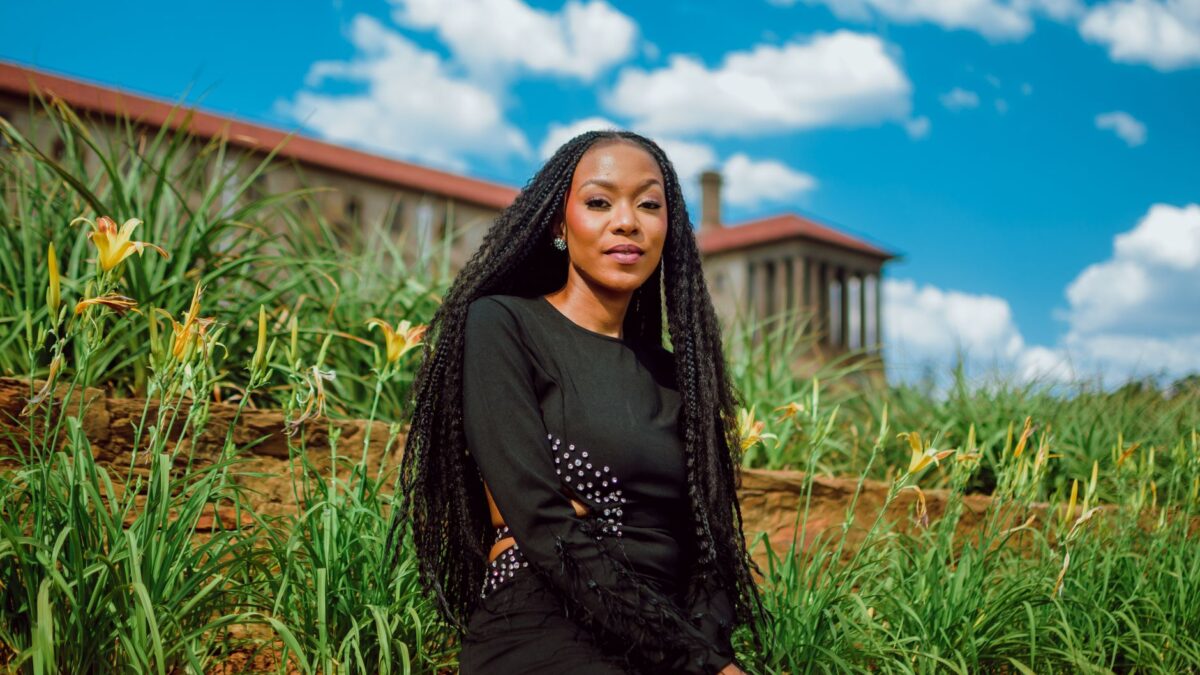
From the airport into Pretoria: every option and what it costs
Navigate from OR Tambo Airport to Pretoria with ease. Compare Gautrain, private transfers, taxis, and buses with real costs and travel times for 2026.
 News & Updates
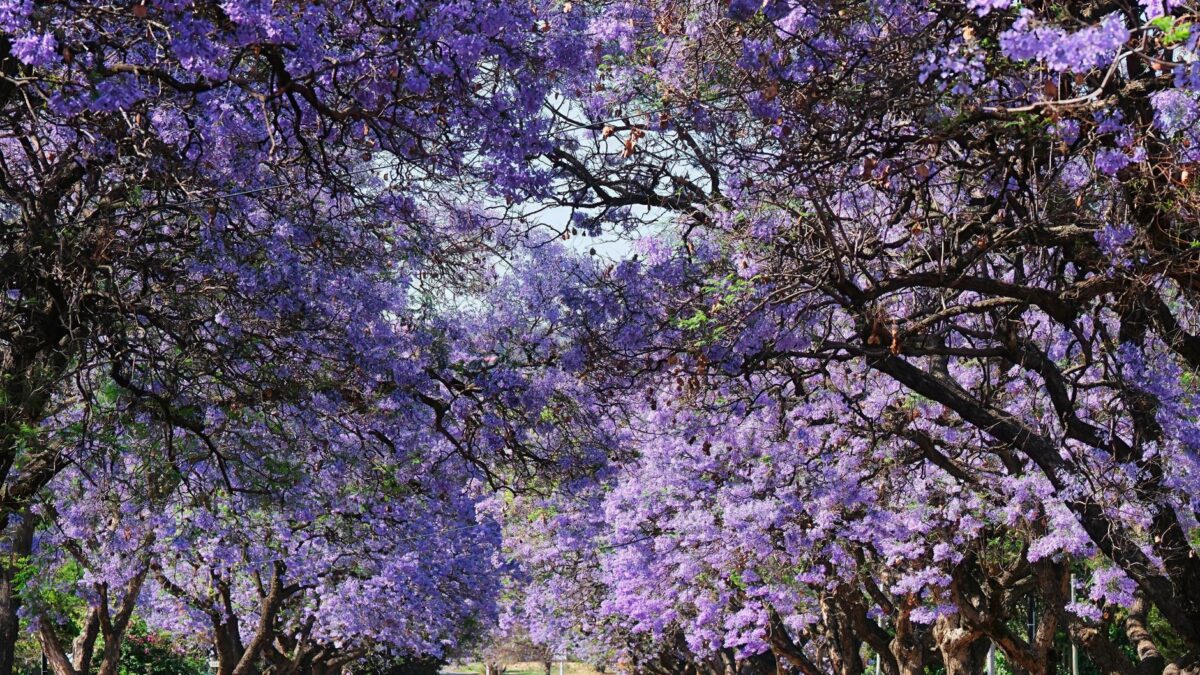
South Africa in September 2026: what travelers should know now
South Africa travel briefing for September 2026: weather, costs, safety tips, and key events in Pretoria right now.
 Living Abroad
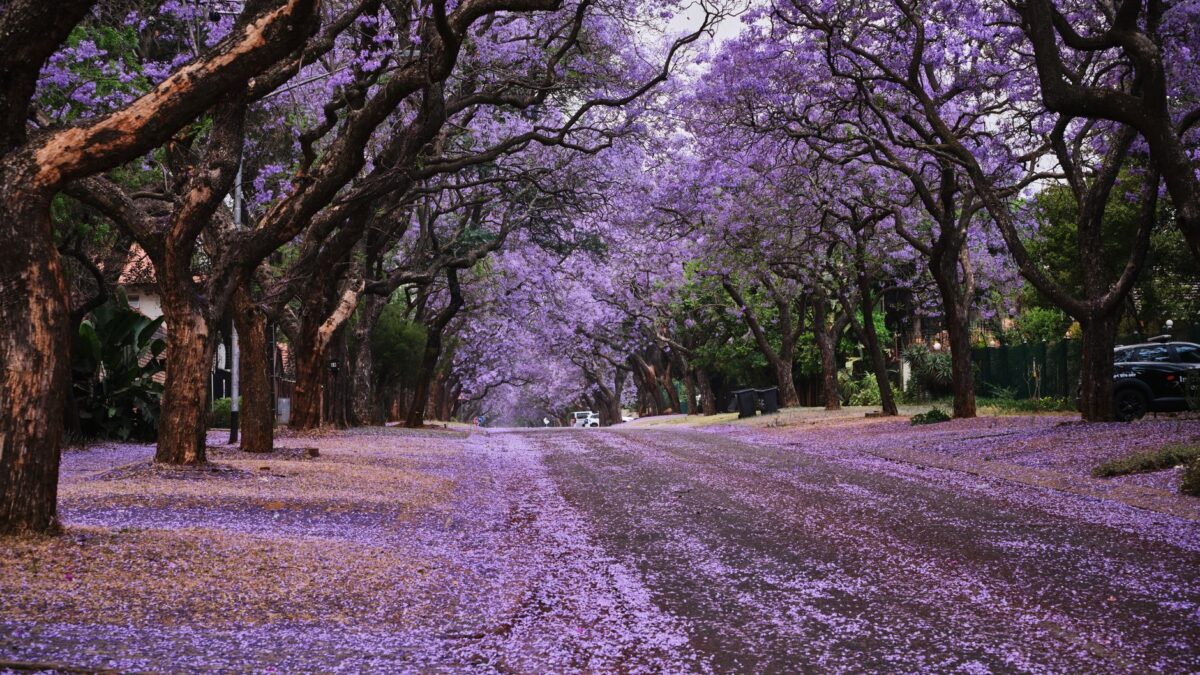
Moving to South Africa: visas, banking and SIM cards
Moving to South Africa? Practical guide to visas, banking, SIM cards, and settling in Pretoria—from a local's perspective.
 News & Updates
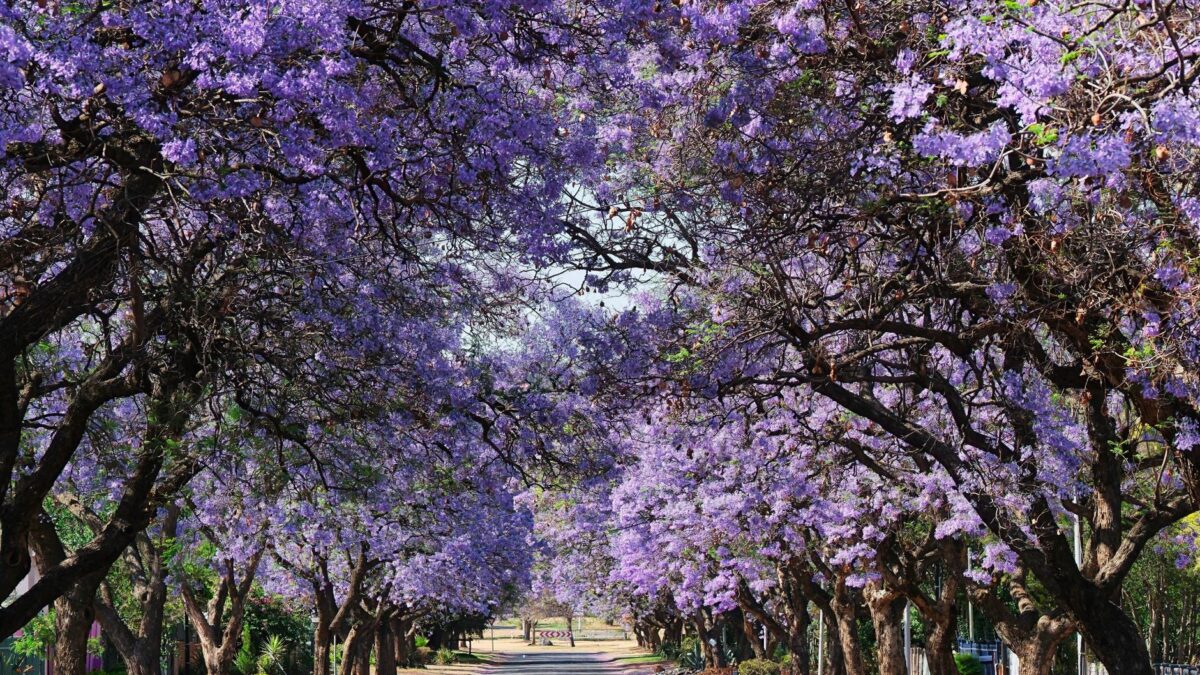
South Africa in August 2026: what travelers should know now
South Africa in August 2026: Pretoria's winter festivals, rugby, weather, costs, and practical tips for travelers arriving now.
Southern Africa
 Namibia
Namibia Travel Podcast with Helena Shipanga
The Namib Desert, after which the country is named, runs along nearly the whole coast, and much of that strip is protected…
 Botswana
Botswana Travel Podcast with Kabelo Molefe
The Kalahari Desert covers about 70 per cent of Botswana, while the Okavango Delta brings considerable biodiversity to the country's otherwise semiarid…