

Moving to Slovenia: visas, banking and SIM cards
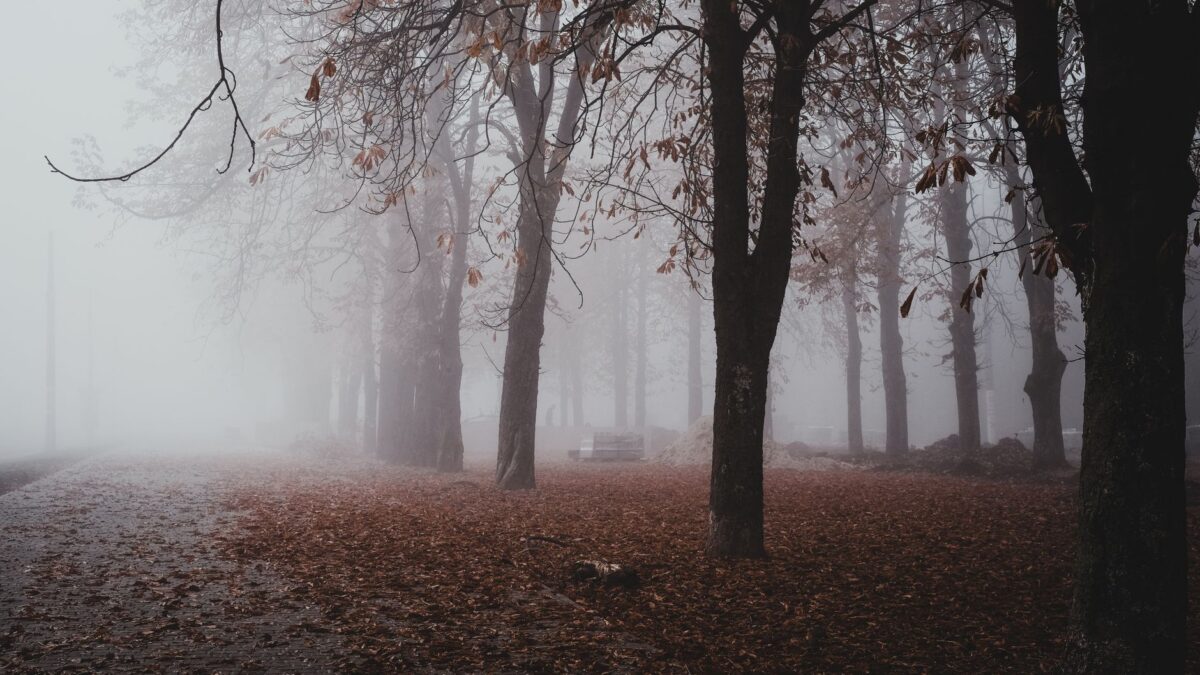
The mist hangs low over the Ljubljanica this morning, turning the Triple Bridge into a ghostly silhouette against the grey sky. It is mid-October in Ljubljana, and the air carries that specific, crisp chill that signals the end of summer and the beginning of the chestnut-and-pumpkin season. As a local host, I have watched countless newcomers arrive with suitcases and wide eyes, only to realize that surviving the first week requires more than just a guidebook—it requires a map of bureaucracy. Moving to Slovenia, or even staying for several months, is not like hopping across the border in Italy or Austria. The systems are precise, paper-heavy, and deeply bureaucratic. But they are also predictable. If you know where to stand and what document to hold up, you will be fine. Here is how to set up your life in the capital without losing your mind.
Entry, Visas, and the Golden Rule of Registration
Slovenia is fully integrated into the Schengen Area, meaning borders feel invisible. Most Western visitors from the US, UK, Canada, and Australia can enter visa-free for short stays under the 90-days-in-any-180 rule. However, if you plan to live here longer, the rules shift dramatically. You cannot simply show up and start working or renting; you need a national visa or residence permit obtained through a Slovenian consulate before you arrive. Do not try to “figure it out” on the ground—start the process from home.
Once you are physically here and have secured housing, the clock starts ticking immediately. You must register your temporary address (prijava začasnega prebivališča) at the local Upravna enota (Administrative Unit) within eight days of moving in. This is non-negotiable. You will need your passport, proof of residency rights (like a lease), and sometimes a tax number. If you are staying with a friend or in a hostel that acts as a registered landlord (stanodajalec), they are legally required to register you within those same eight days. If you fail to do this, or if you stay at an unregistered place, you risk fines ranging from €200 to €600. In the city centre, head to the Upravna enota Ljubljana early in the morning; the lines move faster if you go before 10 AM.
Navigating the Banking System
Open a bank account, but manage your expectations: it is rarely as simple as walking into a branch and getting a card. Slovenia’s banking sector is dominated by a few major players, primarily NLB (Nova Ljubljanska banka), SKB banka, Intesa Sanpaolo, Nova KBM, and Delavska hranilnica. For a newcomer, NLB or Intesa often have the most English-speaking staff, particularly in branches clustered along Slovenska cesta and Miklošičeva in the city centre.
To open an account, you generally need your passport, proof of address (your rental contract), and an EMŠO—the personal ID number issued by the tax office. Many residents find they need a tax number before the bank will fully activate their account, creating a slight chicken-and-egg problem. Bring everything you have. While some banks offer digital onboarding for tourists, a full resident account usually requires an in-person visit and sometimes proof of employment or a residence permit. Do not rely solely on cash; while small vendors might prefer it, cards are ubiquitous. Just remember that ATM fees can add up, so use your bank’s own network when possible.
Connectivity: SIM Cards and Data
You will need a local number to register for services, order food, and communicate with landlords. Slovenia has three main mobile networks: Telekom Slovenije, A1 Slovenija, and Telemach, plus the budget brand HoT, which runs on A1’s infrastructure. Prepaid SIMs are widely available at operator shops, kiosks (trafike), petrol stations, and malls. The process is straightforward: buy the SIM, present your passport for registration (a legal requirement), and choose a top-up package.
Because Slovenia is in the EU, standard roaming rules apply, meaning an EU SIM works seamlessly across borders. However, if you are traveling frequently within the EU, a local Slovenian SIM is often cheaper for data-heavy usage. If you prefer convenience, many shops in the tourist zones near Prešeren Square sell pre-activated tourist packages, though these are less cost-effective for long-term stays. Make sure your phone is unlocked before you arrive. Once you have your SIM, you can easily download apps like BicikeLJ for bike sharing or the LPP app for transit tickets, making daily navigation much smoother.
Daily Setup: Transit, Groceries, and Getting Around
Ljubljana is compact, but you still need to navigate it efficiently. The city bus network is run by LPP, and the easiest way to pay is with the Urbana smart card. You can buy an anonymous yellow value card for about €2 and top it up at kiosks, post offices, or Urbanomat machines. As of October 2025, a single zone-1 fare is approximately €1.50 and includes free transfers within 90 minutes. If you plan to use buses daily, a monthly general ticket costs around €37, which is a reasonable investment given the city’s walkability and the quality of public transport.
For groceries, prices are moderate compared to Western Europe. A litre of milk runs about €1.22, and a fresh loaf of white bread is roughly €1.99. Dining out is affordable but not cheap—a meal at an inexpensive local restaurant will cost around €14, while a three-course meal for two in a mid-range spot is about €60. Coffee culture is strong here; expect to pay between €2.20 and €2.60 for a cappuccino. Whether you are grabbing a coffee at Le Petit Cafe or browsing the Central Market (Osrednja tržnica) for fresh produce, cash is still appreciated in smaller stalls, though cards are widely accepted.
Be aware of current local disruptions. The Motorway A1 between Domžale and Zadobrova is running in contraflow due to construction until late October, causing typical weekday jams. If you are driving, allow extra time. Additionally, Podutiška cesta is closed to all traffic until mid-October for gas-pipeline renewal, affecting routes to the north-west. These are minor inconveniences in a city that is otherwise easy to navigate on foot or by bike.
Living Locally: Safety and Community
Slovenia is one of the safest countries in Europe, and Ljubljana reflects this. Crime rates are very low, and the city centre is pedestrianized and heavily used day and night. Standard precautions apply—watch your wallet in crowded areas like the Central Market or near the bridges—but you can walk home late without fear. The city’s political landscape is progressive, and the civic environmental streak is evident in its clean streets and green spaces like Tivoli Park.
As autumn deepens, the city transforms. The golden plane trees along the river create a stunning backdrop, and the cultural scene heats up. Events like the European Table Tennis Championships at Stožice Sports Park Arena bring energy to the Vojkova cesta area, while art installations like Ajda Kalan’s Hallucinogenic Pool at City Hall invite reflection. Take advantage of this season. Visit the National Gallery of Slovenia to see Ivana Kobilca’s works, or explore Metelkova Mesto, the former barracks turned alternative nightlife hub. Life in Ljubljana moves at a human pace. If you take the time to register properly, open your accounts patiently, and learn the rhythms of the city, you will find that living here is not just manageable—it is delightful.
Frequently asked questions
How do I register my address in Slovenia?
You must register your temporary address at the local Upravna enota within 8 days of moving in, providing your passport and lease. Your landlord may also handle this if they are a registered stanodajalec.
What documents are needed to open a bank account?
Most banks require a passport, proof of address (lease), and an EMŠO (personal ID/tax number). Some may also ask for a residence permit or proof of income.
Is it easy to get a local SIM card?
Yes. Prepaid SIMs are sold at operator shops, kiosks, and petrol stations. You must register them with your passport, and they work well with EU roaming rules.
What is the cost of public transport in Ljubljana?
A single bus fare is about €1.50 with the Urbana card. A monthly general ticket costs around €37, offering unlimited travel within the city zone.
Are there any current road closures to watch for?
The A1 motorway has contraflow traffic until late October, and Podutiška cesta is closed for pipeline work until mid-October. Check promet.si for updates.


