

Getting around Valletta: metros, taxis and passes
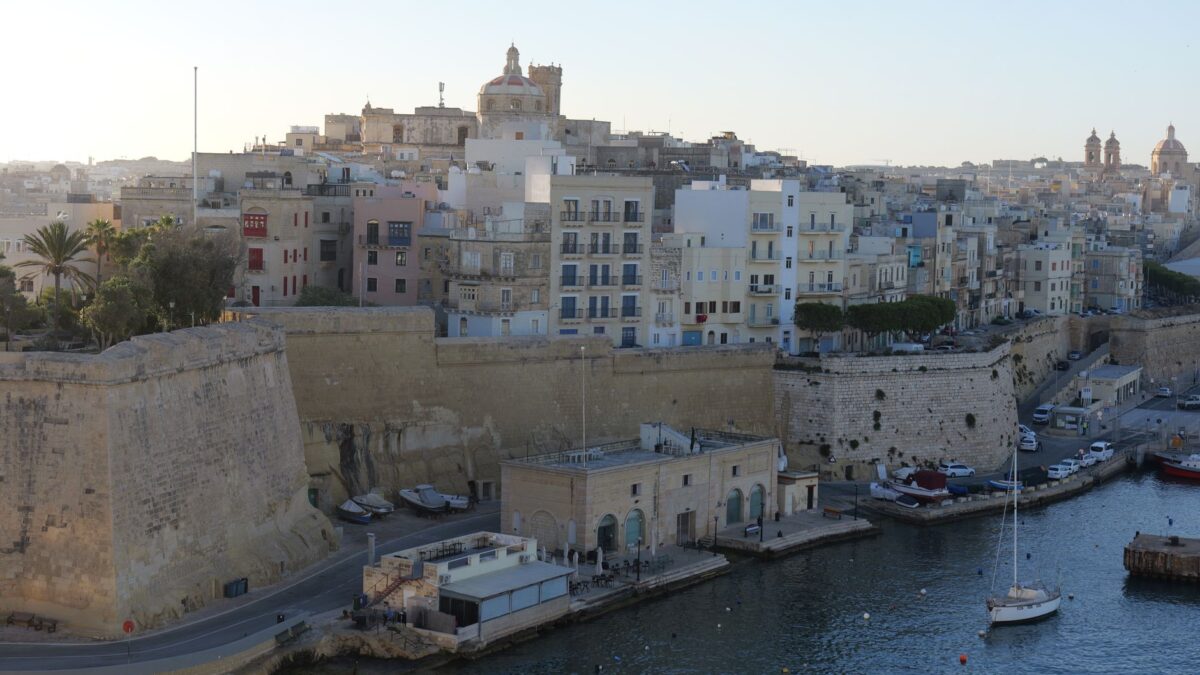
Valletta does not forgive the impatient traveler. The honey-colored limestone streets are steep, narrow, and designed for pedestrians who know where they are going. If you arrive expecting a subway system to whisk you from Republic Street to the waterfront in seconds, you will be disappointed. There is no metro here. There are no trains. But there is a rhythm to this UNESCO World Heritage city that, once understood, makes navigating it effortless—and often faster than any vehicle could manage.
The Myth of the Metro: Why Walking Is King
Let us dispel the myth immediately: Valletta has no metro, no light rail, and no trains within its ancient walls. The island’s public transit network relies entirely on buses. However, inside the city, walking is not just an option; it is the primary mode of transport. The city was built by the Knights of St John in 1566 as a fortress, meaning its layout prioritizes defense and foot traffic over automobiles.
You will find yourself climbing gentle slopes, passing under iconic gallarija balconies painted in vibrant colors, and weaving through the spine of Republic Street. This is the only way to truly see the baroque architecture up close. Whether you are heading toward the Upper Barrakka Gardens for the daily saluting battery at noon or descending toward the Grand Harbour, your feet are your best allies. Just be prepared for the incline; the view from the top makes every step worth it.
Navigating with Buses and the Tallinja Card
When your legs need a break, or when you need to cross the harbor to Sliema or head out to the Three Cities, the bus is your lifeline. Malta Public Transport runs an extensive network, but the key to using it without frustration is the Tallinja card. This reloadable smart card is essential for both residents and long-stay visitors.
If you are staying for a week or more, look into the personalized Tallinja card. For residents, travel is free, capped at roughly €26 per month if you exceed certain usage limits, though visitor options differ. As a visitor, you can purchase a 7-Day Explore Card for about €25, which offers unlimited travel across the island. Alternatively, a 12-journey card costs around €19. These are far more economical than paying cash for every ride.
For single trips, cash fares are approximately €2.00 during the winter season and €2.50 in summer. These tickets are valid for two hours, allowing you to transfer between buses seamlessly. A crucial tip: you must validate your card or ticket upon boarding. Failure to do so can result in a fine of around €50. The main bus terminus is located right at the edge of Valletta, making it easy to hop on for excursions to Floriana, Sliema, or even the southern fishing village of Marsaxlokk.
Taxis and Ride-Hailing: When You Need a Wheel
While walking covers most of Valletta, there are moments when a taxi is necessary. Perhaps you have heavy shopping bags, are traveling late at night after a show at the Manoel Theatre, or simply want to avoid the heat of the midday sun. Taxis in Malta are regulated, and while ride-hailing apps exist, traditional taxi ranks are reliable and plentiful.
Unlike some European capitals, taxi meters are standard, but rates can vary depending on whether you hail one on the street or book via phone/app. It is always wise to agree on a price or ensure the meter is running before you start. During major events, such as the WTTC Global Summit or the festive chaos of Notte Bianca, traffic in Valletta can become congested, and security checkpoints may slow movement. In these instances, a taxi might be slower than a ferry crossing to Sliema, followed by a short walk along the promenade.
If you choose to drive yourself, remember that Malta drives on the left. Outside the old city, roads can be narrow and driving styles assertive. Within Valletta, private car access is heavily restricted for non-residents, reinforcing why public transport and walking are the preferred local methods.
Practical Tips for the Smart Traveler
- Tap Your Card: Always tap your Tallinja card on the reader when boarding. No tap means no ride if inspected.
- Check the App: Use the Malta Public Transport app to track real-time bus arrivals. The buses are generally punctual, but delays happen during peak hours.
- Ferry Alternatives: To get to Sliema or the Three Cities, consider the ferry from the Valletta Waterfront. It is cheap, scenic, and avoids road traffic entirely.
- Dress for the Climb: Wear comfortable shoes. The cobblestones and stone steps are beautiful but unforgiving on heels.
Living the Local Rhythm
Moving through Valletta is about more than just getting from point A to point B; it is about absorbing the atmosphere. In October, the weather is mild, with temperatures hovering around 18–24°C. The sea is still warm, and the air smells of salt and baking pastizzi. Stop at a local pastizzerija for a ricotta-filled pastry costing less than €1, or grab a slice of pizza from a bakery for around €2–€3. These small stops are part of the transit experience.
Whether you are attending a lecture at the University of Malta, visiting the stunning Caravaggio masterpiece at St John’s Co-Cathedral, or simply watching the sunset from Lower Barrakka Gardens, let your pace match the city. Valletta rewards those who wander. Leave the map behind sometimes, turn down a side street, and discover the quiet corners where the noise of the tourist crowds fades away. That is where the real Malta reveals itself.
Frequently asked questions
Does Valletta have a metro or train system?
No, Valletta does not have a metro or train system. The city relies on buses and walking, as its narrow, historic streets are designed primarily for pedestrians.
How much does a single bus ticket cost in Valletta?
A single cash fare is approximately €2.00 in winter and €2.50 in summer. Using a Tallinja card is recommended for better value and transfers.
What is the Tallinja card and how do I get one?
The Tallinja card is a reloadable smart card for Malta's public buses. Visitors can buy a 7-Day Explore Card (around €25) or a 12-journey card (around €19).
Is it safe to walk around Valletta at night?
Yes, Valletta is consistently ranked as one of Europe's safest capitals. While petty theft can occur in crowded areas, the city remains very walkable and secure day and night.
How do I get from Valletta to Sliema?
You can take a bus from the Valletta terminus or take the ferry from the Valletta Waterfront. The ferry is often faster and offers scenic views of the harbors.


