

Bosnia and Herzegovina etiquette: the dos and don’ts
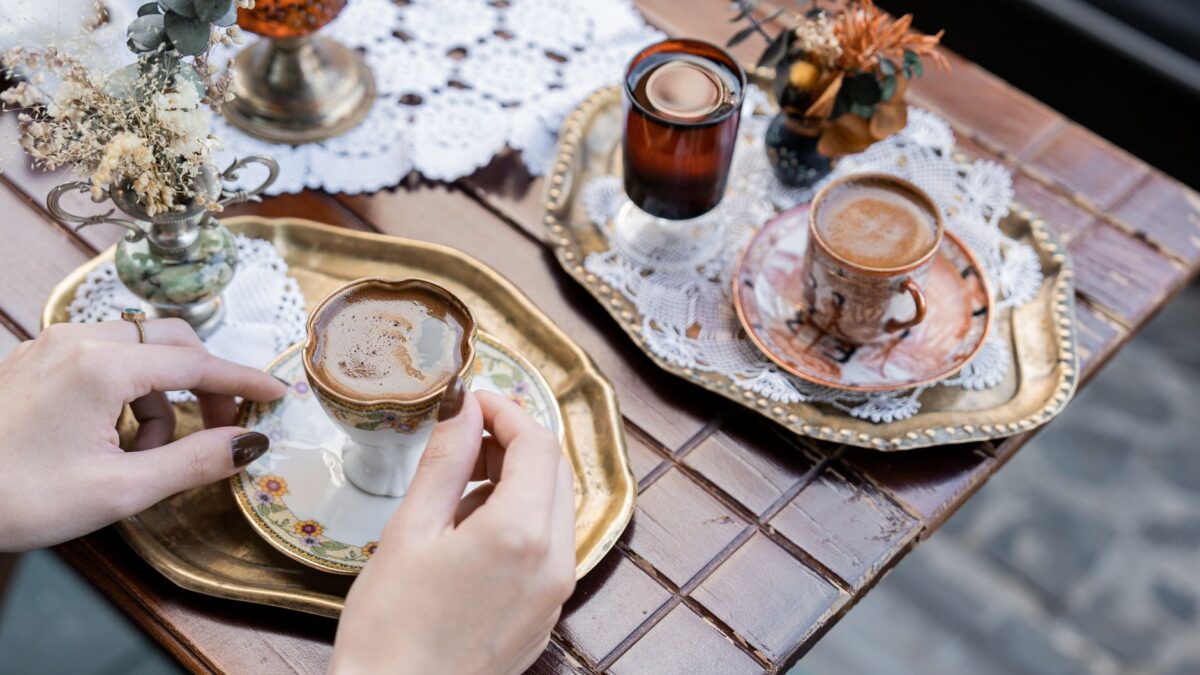
It is mid-October in Sarajevo, and the air has that crisp, metallic bite of deep autumn. The hillsides around the Miljacka valley are turning gold, and inside the cafés of Baščaršija, the steam from copper džezvas fights back against the chill. Outside, vendors are already setting up to sell roasted chestnuts and pumpkin near the Sebilj fountain. The weather hovers between 5–13°C, feeling a bit nippier at around 9°C under the overcast sky. If you are visiting now, you are stepping into a city that is beautifully transitional—moving indoors, warming up with spices, and preparing for winter.
As your host for Paris2Tokyo’s Bosnia and Herzegovina episode, I want to make sure your visit feels less like a checklist of landmarks and more like a genuine connection with this place. We have a rich, complex history and a warm, albeit sometimes guarded, hospitality. Here is how to navigate our etiquette, so you leave not just with photos, but with friends.
The Ritual of Greetings and Coffee
In Bosnia, we do not rush greetings. Whether you are meeting someone for the first time or catching up with an old friend, eye contact and a firm handshake are standard. But the true heart of our social life is coffee. This is not a “grab-and-go” culture; it is a sitting-down affair. You will see locals spending hours at places like Kamarija or Ministry of Ćejf, talking, arguing politics, and watching the world go by.
When invited for coffee, accept. It is rude to refuse unless you have a very good reason. There are two ways to order: kafa (traditional Bosnian coffee, thick and unfiltered, served in a small cup) or kappuccino. A cappuccino costs around 3.90 BAM, while local kafa is about 2–4 BAM, though tourist spots in Baščaršija might charge up to 6 BAM. Do not be offended if the waiter brings you a glass of water and a small sweet before the coffee arrives. This is part of the ritual. Drink slowly. Leaving immediately after finishing your cup can be seen as dismissive. Stay for ten minutes, chat, and enjoy the ćejf—the pleasure of the moment.
Dining Like a Local: Ćevapi and Burek
You cannot talk about Bosnia without talking about food, and specifically, Ćevabdžinica Nune or similar neighbourhood joints. Ordering ćevapi (grilled minced meat sausages) is an art form. When you sit down, you will be offered somun bread—a soft, unleavened flatbread. You must use your hands to eat. Take a piece of somun, place two or three ćevapi on it, add chopped raw onion, and perhaps a dollop of kajmak (clotted cream). It is messy, delicious, and deeply traditional.
A “desetka” (ten pieces) with bread and kajmak typically costs between 12–14 BAM at standard restaurants, though neighbourhood spots might offer it for 7–9 BAM. If you order a single piece of burek (meat-filled pie), expect to pay about 2.5–3 BAM per slice. Note that in many traditional bakeries (buregdžinica), burek is sold by weight if you buy a kilo, which runs about 22–28 BAM. For breakfast, a slice of sirnica (cheese) or zeljanica (spinach) is also around 20 BAM per kilo.
Etiquette tip: Never ask for ketchup with your ćevapi. To a local, this is a cardinal sin. The flavour should stand on its own. Also, tipping is appreciated but not strictly mandatory. Rounding up the bill or leaving 10% is common, especially if the service was friendly. In a meal costing around 15 BAM for an inexpensive lunch, rounding up to 20 BAM is a nice gesture.
Dress Code and Religious Sensitivity
Bosnia and Herzegovina is a secular state with a mix of Islamic, Orthodox, and Catholic traditions. Sarajevo is particularly liberal, but respect is key. When visiting religious sites, such as the magnificent Gazi Husrev-beg Mosque (completed in 1532) or the Latin Bridge area, dress modestly. Shoulders and knees should be covered for both men and women. Carry a scarf in your bag if you plan to enter active mosques, as some may require it for women entering the prayer hall.
For everyday wear, Sarajevo is casual. However, given the October weather, layering is essential. The cobblestones in Baščaršija and Vratnik are uneven, so comfortable walking shoes are non-negotiable. Avoid wearing clothing with political slogans or symbols related to the 1990s war unless you are fully prepared to explain them. Politics here are sensitive; the recent elections have heightened tensions, with nationalist parties gaining ground. It is best to let locals lead political conversations rather than initiating them.
The Small Customs That Matter
There are tiny rituals that signal you understand our culture. First, when entering a home, remove your shoes unless the host insists otherwise. Second, if you are invited to dinner, bring a small gift. Flowers, chocolate, or a bottle of wine are appropriate. Do not give white flowers, as they are associated with funerals. Third, when shaking hands, maintain eye contact. Looking away can be interpreted as dishonesty or shyness.
If you are driving or taking a taxi, be aware that traffic in Marijin Dvor and the centre can be chaotic. Taxi fares start around 1.50 BAM, with about 1 BAM per km. Always agree on the price or ensure the meter is running. Public transport via GRAS is affordable—a single ride is about 2.20 BAM—but keep your valuables close. Pickpocketing is rare but happens in crowded trams and the bazaar.
Another crucial custom: hospitality. If a local offers you rakija (fruit brandy) or slivovitz, accept it. It is a sign of welcome. Even if you do not drink alcohol, accepting a small sip shows respect. Refusing outright can be seen as rejecting their friendship. Similarly, if you are served tea (crni čaj), finish what is in your glass. Leaving it half-full implies you want more, but if you put the spoon across the top of the glass, it signals you are done.
Practicalities and Respect for History
Sarajevo is one of Europe’s cheaper capitals, but prices are rising. A mid-range dinner for two might cost 60–70 BAM. While we are welcoming, we are also proud of our resilience. When visiting sites like the Tunnel of Hope or the War Childhood Museum, speak softly and respectfully. These are not just attractions; they are memories of the longest siege of a capital in modern warfare. Ask permission before photographing people, especially in residential areas like Grbavica or Dobrinja.
Finally, be mindful of current infrastructure issues. As of October 2026, some neighbourhoods face reduced water pressure due to low spring yields. If you stay in a hotel like Hotel Old Town or Villa Harmony Hotel, this is managed for you. If you rent an apartment, be prepared to ration water during daytime hours. Bring a reusable bottle and fill it when supply is stable.
Visit us with an open mind and a warm heart. We have survived sieges, earthquakes, and floods, but we still find time to laugh, share bread, and pour coffee. Welcome to Bosnia and Herzegovina.
Frequently asked questions
Is tipping expected in Bosnia and Herzegovina?
Tipping is appreciated but not mandatory. Rounding up the bill or leaving 10% is common practice in restaurants and cafes.
What should I wear when visiting mosques in Sarajevo?
Dress modestly by covering shoulders and knees. Women may need a headscarf to enter the prayer hall of active mosques like Gazi Husrev-beg Mosque.
How much does a typical meal cost in Sarajevo?
An inexpensive local meal costs around 15 BAM. A mid-range three-course dinner for two is approximately 60–70 BAM. A 'desetka' of ćevapi is about 12–14 BAM.
Can I drink ketchup with ćevapi?
No, this is considered a cultural faux pas. Traditional Bosnian etiquette dictates eating ćevapi with somun bread, onion, and kajmak only.
Do I need a visa for Bosnia and Herzegovina?
Visa-free for 90 days within any 180-day period for EU/EEA, UK, US, Canada, Australia, NZ, Japan, South Korea, Turkey, and most Gulf states. Passport must be valid 3+ months past departure.


