

A week in Tirana on a mid-range budget
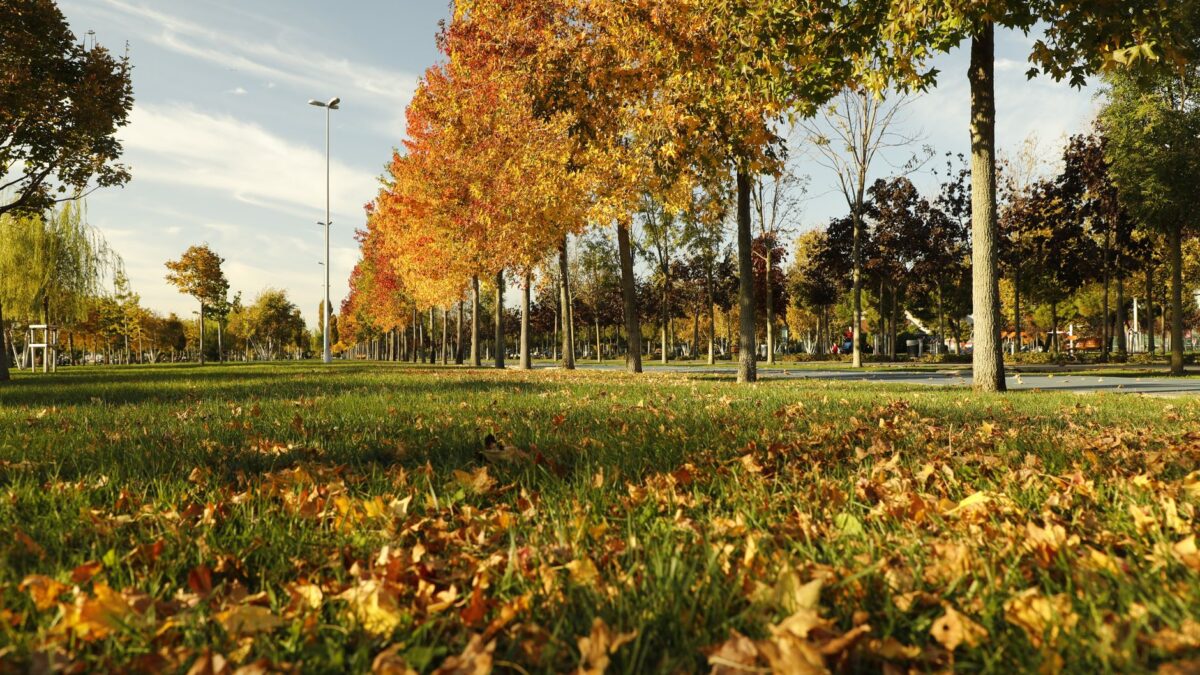
The air in Tirana this October has that crisp, settled quality of early autumn. It is the kind of weather where you can sit on a terrace until late evening without shivering, watching the leaves turn gold along the Grand Park. The city feels alive but manageable, caught between the bustle of daily commerce and the quiet hum of cultural events like the International Dance Festival currently spilling across nine venues. For a traveler navigating on a mid-range budget, Tirana offers a rare combination: vibrant urban energy, deep history, and costs that remain surprisingly accessible compared to Western Europe.
Where You Stay and How You Move
Your base camp dictates your weekly rhythm. For a week-long stay, I recommend avoiding the historic center (Qendra) if you want value, and instead choosing Komuna e Parisit. This district south-west of Blloku is leafy, dense with real grocery stores, and home to many digital nomads and families. Here, you can find comfortable guesthouses or modest apartments for significantly less than the premium prices found in the elite enclave of Blloku. While a central apartment might run you 60,000–80,000 ALL per month, short-term stays in Komuna e Parisit are more negotiable and feel like a true neighborhood rather than a tourist trap.
Getting around is straightforward and cheap. There is no unified transit card yet; you simply pay cash to the conductor (‘faturino’) on board. A single ride on the urban lines costs about 40 ALL (roughly $0.4). If you plan to use buses extensively, a monthly all-lines pass runs around 1,600 ALL ($17), though for a week, paying per ride is fine. Stick to line L14 ‘Unaza’ for the ring route that circles the main sights, or L13 which cuts through Blloku. Be mindful that nighttime maintenance in the Krraba Tunnel restricts traffic to one tube from 21:00 to 06:00, so plan any trips toward Elbasan accordingly, though this does not affect central city travel.
Eating Like a Local: From Byrek to Lamb
Food is where your budget will breathe. Tirana’s culinary scene is robust, and eating well does not require spending a fortune. Start your day with a byrek from a street stand or bakery—a savory filo pastry filled with cheese, spinach, or meat—for just 50–100 ALL ($0.8). It is fuel, delicious and filling.
For lunch, head to the Pazari i Ri (New Bazaar) area near the Lana river. During the day, it is a traditional market filled with produce from the new olive-oil harvest. In the evening, the surrounding alleys host affordable restaurants. A simple meal at a ‘lokale’—a traditional local restaurant—will cost you between 800 and 1,500 ALL ($12) for a complete plate. Try the fërgesë (peppers, tomatoes, and cheese) or tavë kosi (baked lamb in yogurt), mains that typically range from 500 to 700 ALL ($6).
If you crave grilled meats, a casual grill serves a plate of qofte (minced-meat patties) with sides for about 350–500 ALL ($5). For dinner in Blloku, prices rise slightly due to the district’s nightlife status, but you can still find excellent meals. Venues like Odas Garden or The Traditional Grill offer high-quality food. An inexpensive restaurant meal averages around 659 ALL ($7), while a more substantial sit-down experience rarely exceeds 1,500 ALL unless you order wine or premium cuts.
Culture, Coffee, and Evening Costs
Tirana’s social life revolves around coffee. It is a ritual, not just a caffeine fix. A cup of espresso at a specialty café like HANA Corner Café or Frut’za | Komuna costs about 150 ALL ($1.6). You can spend hours here people-watching, especially in Blloku, which was once the sealed-off elite zone of Enver Hoxha’s regime and is now the city’s most vibrant square.
Attractions are largely low-cost. The National History Museum and Bunk’Art 1 (located in a former nuclear bunker) offer profound insights into Albania’s complex past for a small entry fee, usually under 200 ALL. The Pyramid of Tirana, now a youth creative hub, is free to explore its exterior and ground-level events. Walking around Skanderbeg Square and visiting the Et’hem Bey Mosque is also free, allowing you to soak in the architecture without spending a lek.
Evenings in Blloku can get pricey if you drink cocktails at bars like Radio Bar. A beer there might cost double the supermarket price of 105 ALL ($1.1). To keep costs mid-range, buy a bottle of local beer from a supermarket or minimarket and enjoy it on a terrace, or limit bar visits to two nights a week. The rest of the time, stroll through Sauk, the upscale hillside suburb, for quieter, cheaper drinks, or visit the House of Leaves museum for a historical perspective before returning to your lodge.
Weekly Budget Breakdown
Let’s assemble these elements into a realistic seven-day itinerary. This assumes you are staying in a mid-range hotel or guesthouse in Komuna e Parisit or Tirana e Re, eating mostly locally, and using public transport.
- Accommodation: Mid-range hotels like Ladi Rooms or Freddy’s Hotel might charge around 2,500–3,500 ALL per night. For a week, budget roughly 18,000–24,000 ALL ($190–$260). Booking platforms often have weekly discounts.
- Food: Breakfast at the hotel or bakery (200 ALL/day), Lunch at a lokale (1,000 ALL/day), Dinner at a mid-range spot (1,200 ALL/day). Total: ~12,600 ALL ($135) for seven days.
- Transport: Using buses daily (approx. 4 rides/day): 40 ALL x 4 x 7 = 1,120 ALL ($12). Add a few taxi rides for late returns, totaling ~2,000 ALL ($21).
- Attractions & Misc: Museum entries, souvenirs, and extra coffees: ~2,000 ALL ($21).
Total Estimated Weekly Cost: ~33,600 ALL ($360)
This figure is flexible. If you choose a boutique option like Vila90 Hotel Boutique in Blloku, add 30% to accommodation. If you eat exclusively at high-end venues, double the food budget. However, for the average traveler willing to mix local ‘lokales’ with occasional nicer dinners, 35,000–40,000 ALL ($375–$430) is a very comfortable mid-range ceiling.
Practicalities and Safety
Tirana is generally safe, particularly in central areas like Blloku, Qendra, and Sauk, which are well-policed even late at night. The main risks are traffic and uneven sidewalks, so watch your step along Rruga Myslym Shyri. Petty theft exists but is uncommon in crowds compared to other European capitals.
As a visitor, you do not need a visa for stays up to 90 days if you hold a US, UK, EU, or Canadian passport. However, be aware that entry and exit are recorded electronically. Overstaying is flagged and can cause issues later. For longer stays, registration via the e-Albania portal is required, involving a visit to the Civil Status Office and the Border & Migration office for biometric data.
Banking is easy; major banks like Tirana Bank and Raiffeisen have numerous ATMs. Withdrawals in ALL are best for daily expenses. SIM cards are cheap and widely available from Vodafone or One Albania, requiring only a passport for registration. Keep your phone charged, as you will likely use maps and translation apps frequently.
In summary, Tirana in October is a city of warm contrasts. The crisp air invites long walks, the markets offer fresh flavors, and the costs allow you to linger. You do not need to count every lek, but knowing where the value lies lets you experience the depth of Albanian hospitality without financial stress. Whether you are exploring the streets of Blloku or finding peace in Komuna e Parisit, the city rewards those who take their time.
Frequently asked questions
How much does a typical meal cost in Tirana?
A meal at a traditional local restaurant ('lokale') costs between 800 and 1,500 ALL ($12). Inexpensive basic meals start around 659 ALL ($7), while street food like byrek is about 50–100 ALL ($0.8).
Is public transportation expensive in Tirana?
No. A single bus fare is 40 ALL ($0.4), paid in cash to the conductor. Monthly passes are approximately 1,600 ALL ($17) for all lines, making transit very affordable.
Which district is best for mid-range accommodation?
Komuna e Parisit is recommended for mid-range travelers. It is residential, leafy, and offers better value than the upscale Blloku district, with good access to groceries and cafes.
Do I need a visa to visit Tirana from the US or EU?
Citizens of the US, UK, EU/Schengen, and Canada can enter visa-free for up to 90 days within any 180-day period. Entry is recorded electronically.
What is the average cost of a coffee in Tirana?
A cup of espresso or specialty coffee typically costs around 150 ALL ($1.6). Prices may vary slightly depending on whether you are in a trendy Blloku cafe or a local neighborhood spot.


