

The best time to visit Nepal
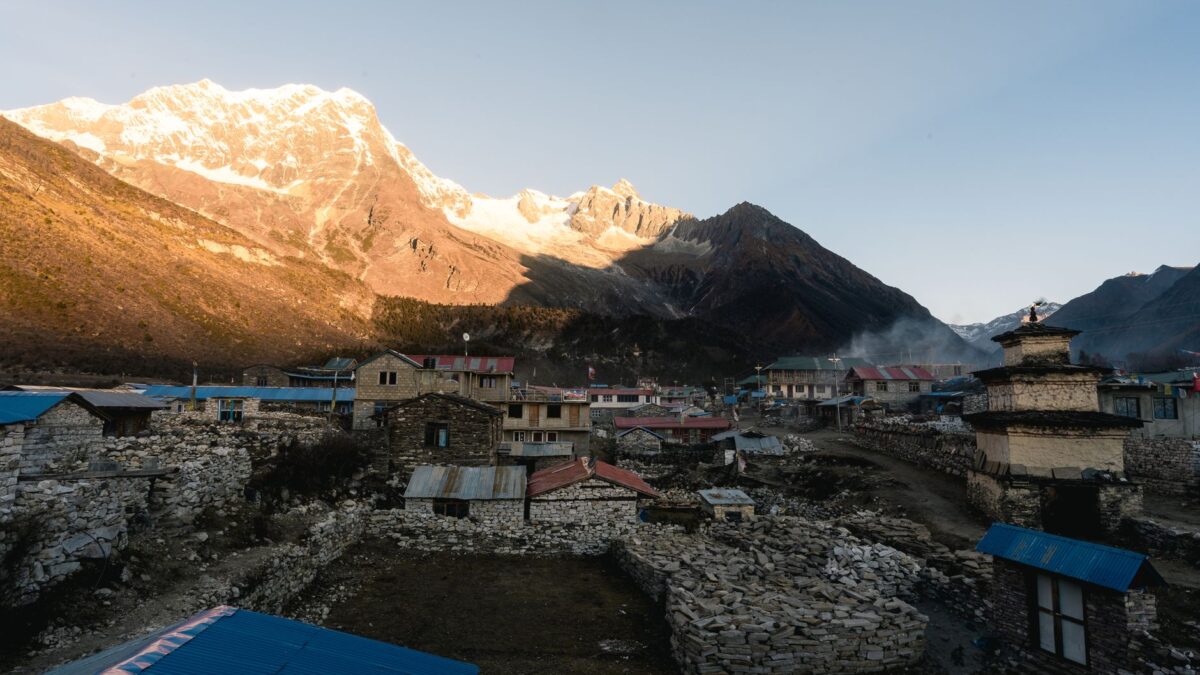
October in Kathmandu is a study in contrasts. The monsoon rains have just retreated, leaving the air crisp and the Himalayas suddenly visible through the clearing haze. Yet, for a resident, it is also the season of traffic diversions around Pachali Bhairav, the smell of frying sel roti, and families queuing for Dashain tika. As I watch the tourists descend upon Thamel while locals return to their ancestral villages, I realize that ‘best time’ isn’t a single month—it’s a choice between weather, culture, and budget. Here is how to pick your window.
Spring: The Blossom Season (March to May)
If you want lush greenery and blooming rhododendrons, spring is your answer. The weather is warm, with temperatures climbing into the mid-20s Celsius by April. This is peak season for trekking before the summer heat sets in. However, be prepared for crowds. The trails to Everest Base Camp and the Annapurna Circuit will be busy, and prices for flights and hotels in Kathmandu rise accordingly.
For food, spring doesn’t change much from other seasons, but the energy is high. You can grab a plate of ten momos at a local shop for about NPR 150–300, or enjoy a thakali thali set for roughly NPR 400–700. If you need a break from the trekking talk, head to Patan (Lalitpur) to see the bronze-casting masters at work; the quiet arts scene there offers a perfect counterpoint to the bustling tourist hubs.
Monsoon: The Green Retreat (June to August)
This is the least popular time for tourists, but for locals, it is a time of rest and rain. The valley turns emerald green, but travel becomes unpredictable. Landslides can block roads, as seen recently when a burst in the Budhi Gandaki River washed out trails and bridges near Gorkha. Trekking is difficult due to leeches, mud, and clouded views.
However, if you stay in Kathmandu, you avoid the worst of it. Rents are lower, and you can experience the city without the influx of hikers. A night in a mid-range guesthouse might cost around NPR 2,000–4,000. Spend your days exploring the indoor museums like the Narayanhiti Palace Museum or sipping coffee at Yala Cafe & Coffee Shop. It’s not the best time for adventure, but it is a good time for introspection—if you don’t mind the humidity.
Autumn: The Clear Skies (September to November)
This is the definitive peak season. After the rains clear, the sky turns a piercing blue, offering the best visibility of the Himalayas. October is particularly vibrant, filled with Dashain festivities. You will see jamara sprouting in homes and feel the electric atmosphere of the festivals. Trekking conditions are ideal—stable weather and dry trails.
The downside? Crowds and higher prices. Accommodation in Thamel books up weeks in advance. If you visit during Dashain, expect route closures and traffic diversions in the old city. But the cultural immersion is unmatched. Enjoy a chatamari (Newari rice-flour crepe) for about NPR 100–200 while watching the stupa kora at Boudhanath. Just remember that safety remains paramount; always hire licensed guides for treks, especially on solo routes, and respect local customs during festival periods.
Winter: The Cold Clarity (December to February)
Winter in Kathmandu is cool and dry, with daytime highs around 15–20°C and chilly nights. The air is often too hazy for mountain views from the valley floor, but if you drive up to Nagarkot or Chandragiri Hills, the sunrise over the snow-capped peaks is breathtaking. This is the quietest season for tourism, meaning better deals on hotels and more space at major sites like Swayambhunath.
Food costs remain low, making winter a great time for culinary exploration. A dal bhat set at a local bhojanalaya costs only NPR 200–400, often with unlimited refills. You can navigate the city cheaply using Sajha Yatayat buses or microbuses for NPR 20–30 per ride. If you prefer comfort, a cappuccino at Cycle Coffee Co will set you back around NPR 250–400. Winter is perfect for those who dislike the heat and want to explore the valley’s heritage sites at a leisurely pace.
Practical Tips for Any Season
Regardless of when you visit, Kathmandu is incredibly affordable for food and transport. A monthly public transit pass is roughly NPR 1,500, and digital wallets like eSewa and Khalti are universally accepted. For connectivity, buy an Ncell or Nepal Telecom SIM card at the airport; tourist plans start around NPR 595 for seven days.
Visa on arrival is available at Tribhuvan International Airport for most nationalities, costing $30 for 15 days. Keep in mind that rents have been climbing, with modest one-bedroom flats in the city centre averaging around NPR 33,900 monthly. While this reflects local economics, as a visitor, you’ll find daily expenses manageable. Whether you’re chasing mountain views in autumn or temple serenity in winter, Nepal welcomes you with open arms—and delicious dumplings.
Frequently asked questions
What is the best month for trekking in Nepal?
October and November are widely considered the best months, offering stable weather, dry trails, and clear Himalayan views after the monsoon.
How much does a meal cost in Kathmandu?
Meals are very affordable; a dal bhat set at a local eatery costs about NPR 200–400, while a mid-range restaurant meal for two is around NPR 2,000–3,000.
Do I need a visa to enter Nepal?
Most nationalities receive a Visa on Arrival at Tribhuvan International Airport, costing $30 for 15 days, $50 for 30 days, or $125 for 90 days.
Is Kathmandu safe for solo travelers?
Yes, but from January 2025, solo foreign trekkers are required to hire a licensed guide on many routes. In the city, standard precautions against pickpockets apply.
When is Dashain celebrated?
Dashain is a major Hindu festival held in September or October, featuring family gatherings, tika ceremonies, and street processions like the Pachali Bhairav chariot.


