

Senegal in October 2026: what travelers should know now
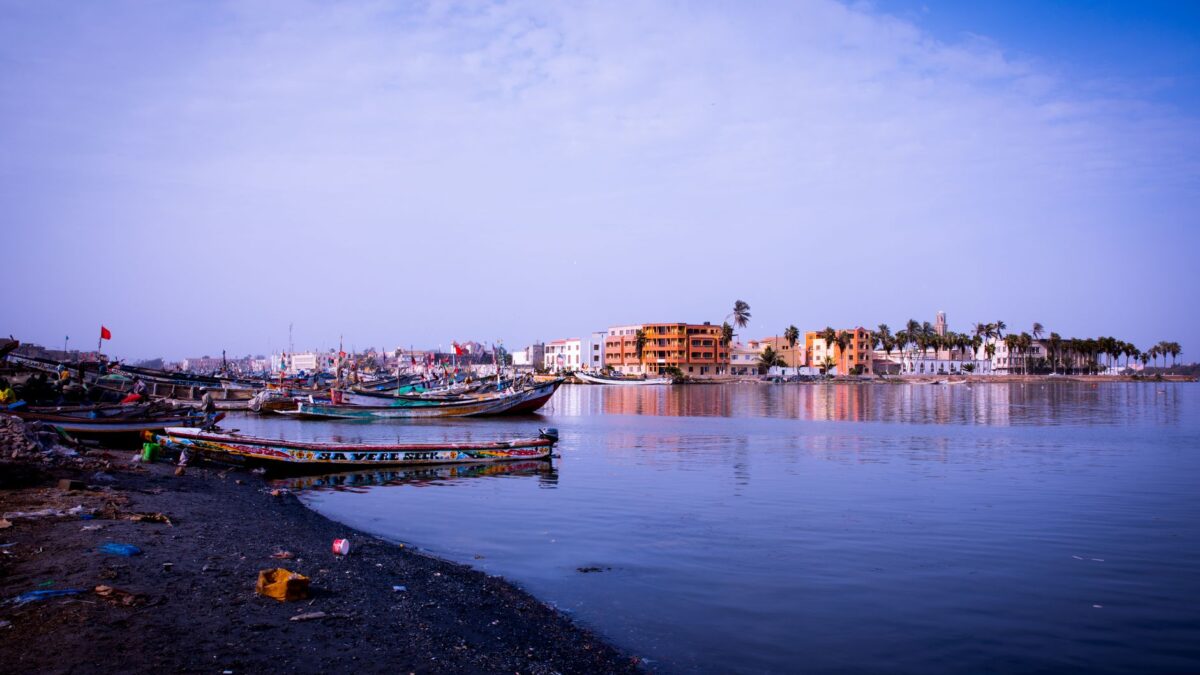
The air in Dakar is heavy, thick with the scent of wet asphalt and salt, marking the tail end of a rainy season that refused to leave on time. As I write this on October 17, 2026, the humidity clings to your skin even as the sun breaks through the clouds. We are in a peculiar limbo: the streets are still drying from the rare, intense storms of early October, yet the city is buzzing with a different kind of energy. The mangoes are fading from market stalls, replaced by the promise of baobab fruit and cashew harvests. If you are arriving now, you are not just visiting a capital; you are stepping into a city in motion—cleaning up, rebuilding, and preparing for the global spotlight.
Weather, Water, and What to Pack
Today’s forecast shows temperatures hovering between 28°C and 31°C, but the heat index feels closer to 36°C. It is partly cloudy, which offers brief respite from the direct sun, but the moisture in the air makes it feel tropical and intense. Evenings will be loud with mosquitoes, so your repellent is more important than ever. You should pack light, breathable cotton or linen, but do not forget a light rain jacket or umbrella. The rains may have officially ended, but the drainage systems in low-lying neighborhoods like Grand-Yoff and Parcelles Assainies are still clogged with debris from the floods three weeks ago. Walking around these areas requires careful footing; standing water remains a hazard.
A critical practical note for this month: tap water was cut or heavily reduced across central Dakar (including Plateau, Médina, Fann, and Almadies) after the flood submerged Sen’Eau’s Point B pumping plant. While repairs are ongoing, do not rely on the municipal supply for drinking. Stick to bottled water or filtered sources provided by your accommodation. This is a temporary infrastructure struggle, but it affects daily life right now.
Cultural Pulse: Books, Music, and Olympic Fever
Despite the logistical headaches, Dakar is culturally vibrant. October is book month. The 18th FILDAK international book fair is currently running at the Esplanade of the Grand Théâtre Doudou Ndiaye Coumba Rose (October 15–19). If you love literature, this is your moment. Just days later, from October 22 to 24, the 5th Salon du livre féminin takes over Place de la Nation, with Mali as the guest country. Between these events, expect album launches and cultural gatherings featuring local icons like Alune Wade and Orchestra Baobab.
Simultaneously, the city is deep in the run-up to the Dakar 2026 Youth Olympic Games. The preparations are visible everywhere: street-art murals are going up, fan zones are being set up at Stade Iba Mar Diop and along the Corniche, and the Olympic flame relay is scheduled to arrive back in the capital at the end of this month. Expect road closures and access changes, particularly around the corniche and near Diamniadio. Embrace the festive atmosphere, but plan your routes around these security perimeters.
Navigating the City: Transport and Neighborhoods
Public transport is operating, but with significant adjustments due to the recent flooding. The SunuBRT electric bus rapid transit is limited to Line B1 between Papa Guèye Fall–Sacré-Cœur and Guédiawaye–Grand-Médine. Five stations—including Cardinal Hyacinthe Thiandoum and Liberté 5—are currently not served. The TER train skipping stops like Beaux Maraîchers and Pikine Nord on the Dakar–Diamniadio run, and the Autoroute de l’Avenir is congested at Keur Massar where the Mbao marigot overflowed. Service is progressively returning to normal, but allow extra time for commutes.
If you are staying in the Plateau, you are in the historic downtown heart, surrounded by colonial architecture and ministries. For a more traditional vibe, wander through Médina, home to the Grand Mosque and the mystical Tilène market. If you seek upscale dining and nightlife, head to the Almadies or Ngor, where you can watch surfers hit the waves at Ngor Island. Avoid the northern suburbs like Pikine or Parcelles Assainies unless you have specific local guidance; these areas were hardest hit by the floods and remain under cleanup.
Costs, Food, and Practical Tips
Dakar is among West Africa’s priciest capitals for housing, with modest one-bedroom rents in the center averaging around 475,000 XOF ($640) monthly. However, for travelers, the cost of living remains accessible. A meal at an inexpensive local gargote—a plate of thieboudienne or yassa—costs between 1,500 and 2,500 XOF (about $3). Street food is safe, delicious, and cheap; a fataya pastry is roughly 500 XOF ($0.80). Mid-range restaurants charge around 5,000 to 15,000 XOF ($16) for a main dish.
For payments, mobile money is king. Orange Money, Wave, and Free Money are used everywhere, from street vendors to high-end boutiques. Carry some cash for small purchases, but rely on your phone for larger transactions. Visa-free entry is available for citizens of the EU, US, Canada, and many African states for up to 90 days, provided you have a passport valid for six months and a yellow-fever certificate. Check if your nationality falls under the new reciprocity-driven e-Visa requirements, especially if you are Italian.
Looking Ahead: All Saints’ Day and Beyond
In fifteen days, on November 1, Senegal observes All Saints’ Day (La Toussaint). This is a major national holiday. Banks, government offices, and many businesses will close. It is a day for family gatherings and visiting cemeteries. If you plan to travel outside Dakar during this week, book your tickets early, as domestic transport fills up quickly. The mood since the 2024 elections has been reformist and anti-establishment, with President Bassirou Diomaye Faye focusing on cost-of-living and job creation. This political climate influences daily interactions; residents are engaged, hopeful, and sometimes vocal about change. Respect this context, listen more than you speak, and engage with curiosity.
Senegal in October 2026 is a city resilient and ready. The mud is drying, the books are open, and the drums are beating for the Olympics. Come with patience, pack for humidity, and prepare to eat well.
Frequently asked questions
Is tap water safe to drink in Dakar in October 2026?
No. Tap water was cut or heavily reduced in central districts after the October floods damaged pumping plants. Travelers should stick to bottled or filtered water.
Are there any major festivals happening in Dakar this month?
Yes. The 18th FILDAK book fair runs Oct 15–19, followed by the 5th Salon du livre féminin (Oct 22–24). The city is also prepping for the Youth Olympic Games flame relay.
How has public transport been affected by the recent floods?
SunuBRT Line B1 operates with several stations closed. The TER skips certain stops, and the Autoroute de l'Avenir faces congestion at Keur Massar. Services are gradually recovering.
What is the typical cost of a local meal in Dakar right now?
A plate of thieboudienne or yassa at a local gargote costs about 1,500–2,500 XOF ($3–$4). Mid-range restaurants average 5,000–15,000 XOF ($16).
Do I need a visa to visit Senegal in October 2026?
Citizens of the EU, US, Canada, and many African nations get visa-free entry for 90 days. Some nationalities (e.g., Italians) may need an e-Visa. Check current rules before flying.
Things to do in Senegal
 7 Days in Senegal Private Tour package
 Gorée Island - Pink Lake excursion 2 persons minimum
 Senegal private tour 7 days 6 nights-minimum 2 people to book it
 2 days Joal Fadiouth and Saloum Delta Private Tour package
 Private Tour: Kedougou, Senegal
 Cultural Excursions ( Goree Island and Lac Rose) with SENEXPAT