

A week in Valletta on a mid-range budget
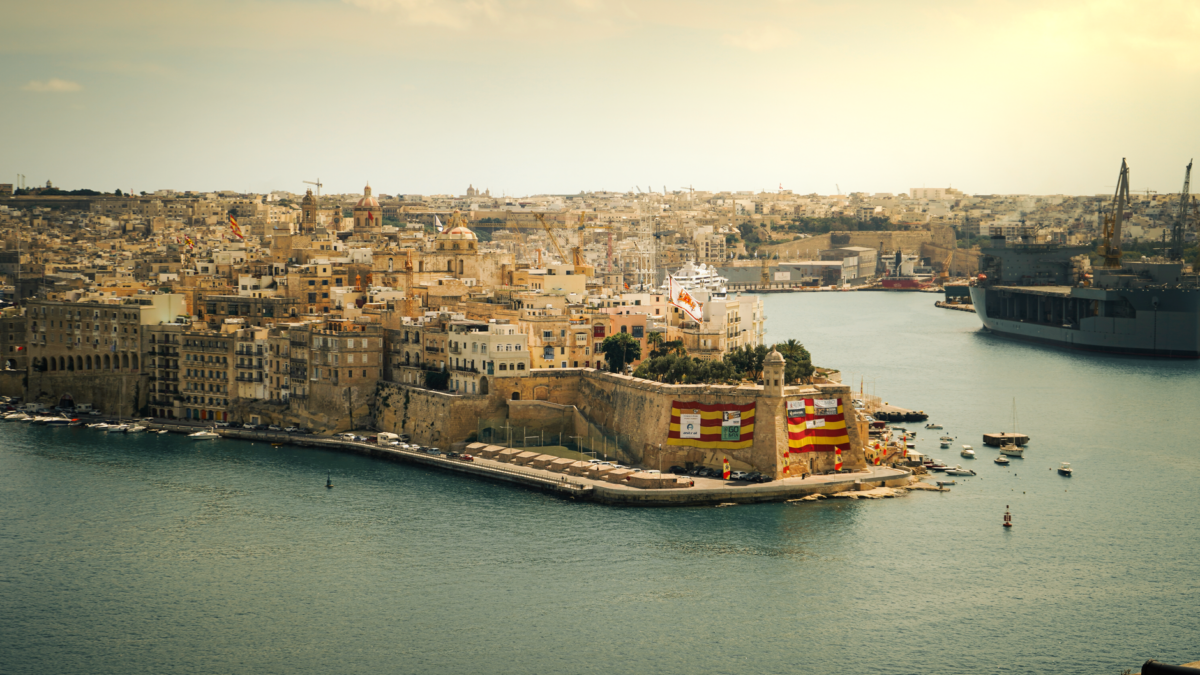
Valletta in mid-October is a study in golden light and gentle breezes. The summer crowds have thinned, the sea retains enough warmth for a dip, and the air smells faintly of salt and roasting lampuki—the seasonal dorado that dominates menus right now. As the resident host for Malta on Paris2Tokyo, I’ve walked these honey-coloured limestone streets for years. You might think the capital’s UNESCO status comes with a premium price tag, but if you know where to look, Valletta is surprisingly accessible. This isn’t about luxury; it’s about smart, lived-in travel. Here is what a week looks like when you balance culture, comfort, and your wallet.
The Foundation: Where You Sleep and How You Move
Your biggest fixed cost will be accommodation. Valletta is expensive compared to the rest of the island, but not prohibitive if you choose wisely. For a modest one-bedroom flat in the centre, expect around €1,100–€1,600 monthly if you were renting long-term, but for short stays, boutique hotels offer better value. Look at places like Casa Asti or Tritoni Harbour Suites. These aren’t five-star palaces, but they are clean, central, and often priced lower than the sprawling resorts in Sliema or St Julian’s. If you’re staying longer, consider a short-term rental just outside City Gate in Floriana; it’s residential, quiet, and only a ten-minute walk into the action.
Getting around is effortless and cheap. There are no trains here, just buses run by Malta Public Transport. The system is cashless on board, so carry exact change or use the tallinja card. A single bus fare is roughly €2.00 in winter, though summer rates can creep up to €2.50. The ticket is valid for two hours. If you plan to hop between Valletta, the Three Cities, and maybe a quick trip to the beach, buy the 7-Day Explore Card for €25. It’s unlimited travel. Without it, you risk a €50 fine if you don’t validate properly. Walking is free, and honestly, the steep inclines and views from Upper Barrakka Gardens make every step worth it.
Eating Like a Local: Pastizzi, Pizza, and Seafood
Food is where you can save significant money without sacrificing joy. Maltese cuisine is a hybrid of Italian, Moorish, and British influences, and the street food scene is legendary. Start your mornings or afternoons with pastizzi. These flaky pastries filled with ricotta (pastizzi tal-irren) or mushy peas (pastizzi tal-puzzol) cost between €0.50 and €1.00 each. Grab two from a local pastizzerija and a bottle of Kinnie, Malta’s bitter citrus soft drink, and you have a meal for under three euros.
For lunch, skip the tourist traps near Republic Street. Instead, find a bakery for a slice of pizza or a ftira—a thick, round Maltese bread often topped with tomatoes, onions, tuna, or cheese. A slice of street pizza runs about €2–€3, while a full ftira sandwich is roughly €5–€6. If you’re craving something heartier, look for timpana, a baked macaroni pie, which costs around €2.50. These snacks are filling, authentic, and deeply embedded in daily life.
Dinner doesn’t have to break the bank. While mid-range restaurants in Valletta can charge €20–€30 per main, you can find excellent meals at venues like Elephant Shoe or Ta’ Nenu Valletta if you share plates or order carefully. In October, keep an eye out for lampuki. It’s the peak season for this dolphin fish, served grilled or fried, and it’s often more affordable than other seafood options. Pair it with a glass of local red wine, and you’re looking at a reasonable bill. Avoid dining directly on the waterfront promenade during peak hours; prices there are inflated. Walk two blocks inland, and the quality goes up while the prices stay grounded.
Culture and Connection: What Costs Nothing or Very Little
Valletta is packed with history, much of which is free or very cheap. The highlight is St John’s Co-Cathedral. Entry is modest, and inside, you’ll stand beneath Caravaggio’s masterpiece, The Beheading of St John the Baptist. The baroque interior is overwhelming in its gold leaf and detail. Nearby, the National Museum of Archaeology on Republic Street houses the famous Sleeping Lady statuette. If you’re heading further out to Paola, the Ħal Saflieni Hypogeum is a must-book experience, but for daily wandering, the city itself is the museum.
Take your coffee at Lot 61 Coffee Roasters or De Bono Coffee Shop. These are local institutions where residents gather. A cappuccino here costs a fraction of what you’d pay in international chains, and the atmosphere is pure Valletta. Spend your evenings at Lower Barrakka Gardens. It’s quieter than the Upper gardens, featuring the neoclassical Temple of Sir Alexander Ball, and offers stunning views of the Grand Harbour. Watch the sunset over the Three Cities—it’s free, romantic, and unforgettable.
In mid-October, check the cultural calendar. Events like the Oratories season at the Jesuits’ Church often feature free entry performances, such as the newly commissioned oratorio Salvator Mundi. If you’re visiting around the 14th, Folk Underground might be hosting traditional għana music and storytelling at Sala San Duminku. These intimate gatherings connect you to the living soul of Malta, far removed from the guidebooks.
Navigating the Nuances: Safety, Etiquette, and Unexpected Costs
Valletta is consistently ranked among Europe’s safest capitals. You can walk alone at night without fear. However, petty theft exists everywhere. Keep your phone secure in crowded areas like Republic Street. When you venture outside the old city, remember that traffic drives on the left. Pedestrians should be cautious when crossing streets, especially in Sliema or St Julian’s.
Budget for incidental costs. Taxi base fares are higher than in many European cities, so rely on buses or walking unless you’re carrying heavy luggage. SIM cards are easy to get at the airport or in Valletta shops. If you need data, a prepaid tourist SIM from GO, Melita, or Epic is affordable. EU citizens can use their home plans due to roaming-like-at-home rules, but non-EU travellers will want a local option for reliability.
Be aware of local events that might impact your stay. Mid-October often hosts commemorations for Daphne Caruana Galizia, including lectures and masses. These are respectful, public affairs that draw crowds to Parliament Square. Similarly, the WTTC Global Summit or Notte Bianca festivals can bring extra traffic and hotel pressure. If your dates coincide, book accommodations early. Notte Bianca, for instance, transforms the city into a free open-air arts venue, barring traffic after 4:30 pm. It’s a magical time to visit, but expect ferry schedules to extend past 1 am.
The Verdict: Is It Worth It?
A week in Valletta on a mid-range budget is entirely feasible. By prioritizing local eateries, using the bus pass, and focusing on free historical sites, you can experience the depth of Maltese culture without financial stress. You’ll eat well, sleep comfortably, and walk through centuries of history. The key is to move like a local: slow down, ask for recommendations, and embrace the rhythm of the island. Valletta rewards those who linger.
Frequently asked questions
How much does a local bus ticket cost in Valletta?
A single bus fare is approximately €2.00 in winter and €2.50 in summer, valid for two hours. Visitors can also buy a 7-Day Explore Card for €25 for unlimited travel.
What is the cheapest way to eat in Valletta?
The most affordable option is local pastizzeriji, where pastizzi (ricotta or pea-filled pastries) cost between €0.50 and €1.00 each. Bakeries also offer slices of pizza for €2–€3.
Is Valletta safe for solo travelers at night?
Yes, Valletta is consistently ranked as one of Europe’s safest capitals. However, standard precautions against petty theft apply in crowded areas.
Are there free cultural events in mid-October?
Yes, check the calendar for events like the Oratories season at the Jesuits' Church or Folk Underground’s traditional għana music shows, which often have free or low-cost entry.
Do I need a visa to visit Malta?
Most Western nationals enter visa-free for up to 90 days in any 180-day period as Malta is in the Schengen Area. Non-exempt nationals require a Schengen C visa.


